How can rain sensors and moisture-based controls help homeowners in Williamsburg save on utility bills?

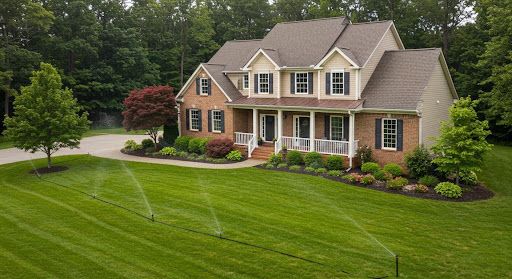
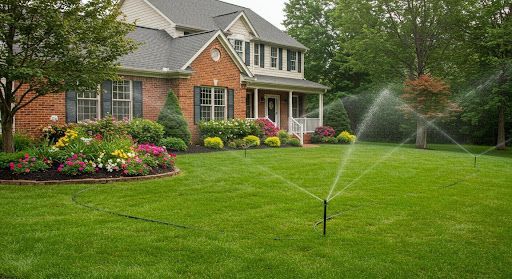
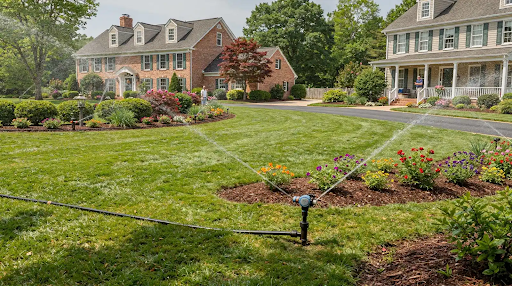
It is a familiar sight: a gentle rain begins to fall, yet the automatic sprinkler system on the corner lot continues to spray water high into the air. This picture of waste is unfortunately common across neighborhoods in Williamsburg, and it represents money literally draining away. For years, homeowners have relied on simple timer-based systems that operate blindly, regardless of recent rainfall, cloud cover, or the actual moisture levels deep within the soil where turfgrass roots reside. This outdated approach doesn't just waste a precious resource; it significantly inflates monthly utility bills and can even harm the health of your meticulously cared-for lawn.
By shifting away from fixed schedules and embracing systems that react to the environment, property owners gain precision control over their water use. Modern controls, which include both simple rain-sensing devices and sophisticated moisture-based technology, are transforming how we maintain landscapes. These improvements are designed to stop unnecessary watering events instantly, ensuring that your system only runs when the landscape genuinely requires hydration. This strategic application of water is the single most effective step a homeowner can take to conserve water and dramatically reduce those escalating charges on their utility statements.
Why Are Fixed-Schedule Irrigation Timers So Inherently Wasteful in a Climate Like Virginia’s?
Traditional irrigation controllers, often referred to as "clock timers," are fundamentally inefficient because they lack context. They treat every day the same, operating on a schedule set by a human regardless of the highly variable weather patterns common to the Virginia peninsula. A fixed schedule does not account for an unexpected summer downpour or a week of cloudy, cool conditions that significantly reduce the rate of evaporation.
These systems are simple to operate, which is why they have been so popular for decades, but their simplicity is also their greatest flaw. If a homeowner sets the system to run every Tuesday and Friday, it will run on those days, even if the region received an inch of rain on Monday. This overwatering is the primary culprit behind bloated water bills and the subsequent stress on community water resources. It is clear that moving beyond this antiquated methodology is not just environmentally responsible, but economically crucial for modern homeowners.
The Flaw in Fixed Schedule Watering
The human mind naturally defaults to consistency, which is why we program controllers for two or three fixed watering days per week. This strategy ignores the scientific principle of evapotranspiration, which is the combined process of water evaporating from the soil surface and transpiring through plant leaves. This rate changes daily based on sunlight, wind, temperature, and humidity.
When an irrigation schedule is rigid, it fails to match the actual, fluctuating water demand of the grass and plantings. In the cooler, cloudier shoulder seasons of spring and fall, the plants require significantly less water than they do during the peak heat of July. A fixed schedule either severely underwatered the lawn during a dry spell or, more commonly, drowned the landscape during periods of high rainfall and low evaporation, leading to thousands of gallons wasted over a single season.
The Cost of Overwatering Your Landscape
The consequences of excessive, unnecessary watering extend far beyond the water bill. Over-saturation creates a breeding ground for lawn diseases and fungal growth, forcing homeowners to spend more on fungicides and other chemical treatments. It also encourages shallow root growth, as the grass roots have no incentive to grow deeper into the soil in search of moisture.
Shallow roots make the entire lawn vulnerable to drought stress the moment a heatwave hits, requiring even more supplemental watering just to keep the grass alive. By addressing the root cause—the lack of intelligence in the watering schedule—homeowners can not only save money on utilities but also reduce their maintenance and replacement costs. This integrated approach to lawn health is one of the many services provided by an expert Irrigation Company in Williamsburg, VA.
How Do the Two Types of Water Control Technology Differ?
When discussing smart irrigation, there are two primary technologies designed to interrupt or adjust the watering schedule: rain sensors and moisture-based controllers. While both aim to conserve water, they function on fundamentally different principles and offer vastly different levels of efficiency and precision. Understanding this distinction is vital for making the right investment for your property.
The Function and Limits of a Rain Sensor
A rain sensor is the most basic form of external irrigation control. It is typically a small device installed in an open area, such as on a gutter or fence post, where it can accurately measure rainfall. The most common type uses a stack of absorbent, cork-like disks that swell when they become wet. When the disks swell to a preset point, they activate a switch that interrupts the flow of electricity to the main irrigation controller.
This action tells the controller to pause all scheduled watering cycles until the disks dry out and shrink back to their original size. A rain sensor is effective because it prevents the system from running during or immediately following a significant rain event. However, its effectiveness is limited because it measures rainfall volume but not the needs of the soil. If it is windy, the sensor may dry out quickly, triggering the system to run even though the soil beneath the grass remains saturated.
The Precision of a Moisture-Based Controller
Moisture-based controls, often utilizing sophisticated soil moisture sensors (SMS), represent the next generation of smart irrigation. Instead of detecting precipitation in the air, these sensors are buried directly in the soil, usually at the crucial root zone depth of the turf and plants. They continuously measure the actual volumetric water content (VWC) or matric potential (soil tension) and relay that data back to the controller.
The controller is programmed with a specific moisture threshold. The system will only initiate a watering cycle if the soil moisture drops below that threshold, indicating that the plants are beginning to experience stress. Conversely, if the system is scheduled to run and the soil is already adequately moist, the sensor overrides the scheduled event entirely. Studies consistently show that this technology yields substantially higher water savings—often between 40% and 70%—compared to relying on rain sensors alone, making it a far superior tool for long-term water management.
Achieving Unprecedented Water Efficiency with an Irrigation Company in Williamsburg, VA
To truly maximize water conservation and utility bill savings, homeowners need a system that adapts the watering schedule based on real-time conditions at the grass roots. This is where high-quality moisture sensor technology shines. A system that measures the precise needs of the turfgrass root zone ensures that every drop of water is applied with purpose.
This level of precision is what differentiates an intelligent system from a simple time-based device. It shifts the entire irrigation strategy from a passive schedule to an active, demand-driven model. Investing in these controls means paying for water only when your plants are truly thirsty, leading to profound long-term cost benefits.
Understanding Soil Moisture at the Root Zone
The success of a moisture-based control system hinges on the accurate measurement of soil conditions within the plant's root zone. For typical turfgrass in the Virginia area, this zone usually extends to a depth of three to six inches. Placing the sensor at this depth allows it to gauge the moisture available to the roots that are actively drawing water.
If the sensor is placed too shallow, it may detect surface-level moisture that will quickly evaporate, causing the system to run too often. If it is placed too deep, it may miss the early signs of drought stress in the turf, leading to under-watering. Professional installation is essential to ensure proper depth and placement, considering factors like soil composition and sun exposure on the property.
The Science of Volumetric Water Content
Soil moisture sensors primarily measure the volumetric water content (VWC) of the soil, which is the volume of water divided by the volume of soil. This gives a direct, quantifiable percentage of how much water is present. Different soil types—such as the loamy or clay-heavy soils found around the Irrigation Company in Williamsburg, VA area—have different capacities for holding water.
A system installed and calibrated by a local expert will take this soil variability into account. The specialist determines the "field capacity"—the maximum amount of water the soil can hold after drainage—and sets the irrigation threshold just below that point. This precise tuning is what allows the system to operate with such remarkable efficiency, ensuring the landscape receives adequate moisture without ever reaching a point of costly and damaging saturation.
Beyond Simple Shutdowns: Long-Term Financial Impact for Williamsburg Homeowners
While the immediate savings from not watering in the rain are obvious, the financial benefits of integrating moisture-based controls are continuous and compound over time. This technology changes the operating expense calculation for maintaining a beautiful lawn, moving the system from a guaranteed expense to a managed investment that provides consistent returns.
The reduction in water consumption—often quantified in the tens of thousands of gallons annually for an average residential property—quickly offsets the initial cost of the smart controller and sensor installation. In regions where water costs are high or steadily rising, this return on investment (ROI) can be realized in just one or two full watering seasons. Furthermore, the longevity of your landscape is enhanced, protecting the value of your entire outdoor investment.
Calculating the Return on Investment (ROI)
To appreciate the financial benefit, consider the example of a homeowner who currently wastes 15,000 gallons of water per year due to inefficient scheduling. Depending on local utility rates, this waste could easily translate into hundreds of dollars in unnecessary spending. By installing a high-efficiency moisture control system, that wasted water volume is drastically reduced.
The cost of the smart controller and sensor, when professionally installed, typically falls within a range that is recoverable through utility bill reductions within a short period. This rapid payback period makes the upgrade a financially sound decision, essentially transforming an operating cost into a self-liquidating asset. We can guide you through assessing your personal Williamsburg Homeowners’ Guide to Irrigation Costs based on your specific property size and current water usage habits. This personalized analysis often reveals compelling data supporting the upgrade.
Reduced Wear and Tear on Irrigation Components
An often-overlooked financial benefit of precision watering is the reduction of wear and tear on the entire irrigation system. Every time a zone runs, components like valves, solenoids, and sprinkler heads are subjected to pressure and movement. An intelligent system that only runs when necessary reduces the number of run cycles significantly.
Fewer cycles mean less stress on the mechanical and electrical parts of the system. This directly translates to increased component longevity, fewer emergency repairs, and lower annual maintenance expenses over the life of the system. The reduction in operational time saves on the energy required to pump the water as well, offering a secondary utility savings beyond the cost of the water itself.
The Crucial Role of Professional Installation and Maintenance
While the smart irrigation controls are technologically advanced, their optimal performance relies heavily on professional installation, precise setup, and ongoing calibration. DIY installation often leads to misplaced sensors or incorrect threshold settings, which can negate any potential savings or, worse, result in landscape damage from under-watering.
The expertise of an Irrigation Company in Williamsburg, VA is necessary to navigate the unique micro-climates, slope variations, and soil types present across the property. A professional ensures that the sensors are positioned for the most representative reading and that the controller's software is configured perfectly to your specific plant material and local environment.
Proper Placement and Calibration for Optimal Results
Placement is everything when installing a soil moisture sensor. The specialist must choose a location that represents the average conditions of the driest, sunniest, or most critical zone. They must also ensure that the sensor is installed without creating air pockets around it, which would lead to false, dry readings and cause the system to over-water.
Calibration involves setting the specific 'shutoff' point—the soil moisture percentage that tells the controller the watering can stop. This threshold must be customized to the type of grass and soil on your property, not just set to a generic default. The calibration process involves initial deep watering and then observing how the soil moisture percentage drops, allowing the technician to determine the ideal stress point for the turfgrass.
Ensuring Backflow Prevention for Irrigation Systems
In addition to setting up and optimizing the smart controls, professional installation often includes a thorough inspection of the entire system, including critical safety components. A high-efficiency system must still operate safely within local and state codes. This includes the essential task of ensuring proper Backflow Prevention for Irrigation Systems.
Backflow prevention devices are mandatory components of any automatic irrigation system, designed to prevent contaminated water from the lawn or garden from being siphoned back into the municipal drinking water supply. A certified technician will verify that the device is correctly installed, tested, and functioning optimally, protecting your family’s health and maintaining compliance with Williamsburg's water regulations, which is a non-negotiable safety measure.
Optimizing Your System for the Changing Virginia Seasons
Williamsburg experiences four distinct seasons, each presenting unique challenges for landscape management and water demand. A static irrigation schedule is incapable of adapting to these shifts, but a smart control system, especially one guided by soil moisture, excels in this dynamic environment. The ability to automatically adjust for seasonal changes is a major contributor to sustained water savings.
In the early spring, for example, water needs are minimal, yet a fixed timer might run full cycles. In contrast, the high-demand summer months require more frequent, targeted applications. A smart controller, constantly reading the soil, automatically scales the water use up and down across the entire year without the homeowner needing to make constant manual adjustments.
Preparing for Humid Summers and Dry Spells
Virginia summers are characterized by periods of intense heat and humidity interspersed with sudden, heavy rainfalls. The high humidity can significantly reduce the evapotranspiration rate, meaning the soil retains moisture longer. A standard rain sensor might dry out quickly on a hot, sunny day and allow the system to run, even if the soil below is still saturated from a recent storm.
The moisture-based system, conversely, remains quiet because it only cares about the actual water stored in the soil's root zone. This allows it to handle the unpredictable moisture conditions of summer with superior accuracy. To help homeowners manage the transition, we offer comprehensive resources, including the Williamsburg Guide to Seasonal Irrigation System Care, detailing how to fine-tune your system as temperatures fluctuate throughout the year.
Integrating Advanced Water Management Strategies
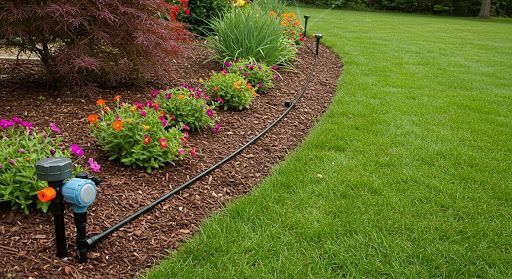
Smart controls integrate seamlessly with other water-saving practices to create a comprehensive conservation strategy. For instance, pairing a smart controller with highly efficient spray nozzles or drip irrigation in planter beds further maximizes the impact of the sensor's readings. The system measures the need, and the efficient hardware ensures minimal loss through wind, overspray, or runoff.
This layering of technology and practice leads to the ultimate water-saving efficiency. It's not enough to simply measure; the system must also deliver the water correctly. The combination provides property owners with the confidence that they are maintaining a lush, healthy landscape using the absolute minimum amount of water necessary.
The Connection Between Water Savings and Landscape Health
Watering intelligently is synonymous with watering for plant health. Over-watering is one of the most common causes of turf and plant failure, leading to root rot, nutrient leaching, and the development of destructive fungi. By preventing unnecessary irrigation cycles, moisture-based controls ensure the soil has adequate time to dry out between waterings.
This drying cycle is crucial for root respiration—allowing oxygen to reach the roots—and encourages them to grow deeper and stronger. A deeper root system makes the grass far more resilient to the inevitable dry periods, requiring less intervention and protecting the landscape investment. This proactive health strategy is the true value of smart irrigation technology.
Protecting Your Investment with Efficient Lawn Care with Smart Irrigation in Williamsburg
A beautiful, thriving lawn is a significant investment, both in time and money. Protecting that investment requires more than just regular mowing and fertilization; it demands precise water management. The moisture controller acts as the ultimate protector of your turf, ensuring it never becomes stressed from drought or drowned from saturation. This consistent, optimal environment prevents costly damage.
By maintaining consistent, ideal soil conditions, you drastically reduce the chance of needing expensive landscape overhauls or plant replacements. Our commitment at Hampton Roads Irrigation & Landscape is to support Efficient Lawn Care with Smart Irrigation in Williamsburg by integrating controls that promote deep, healthy root development, resulting in a greener, more resilient lawn year-round. We aim to keep your lawn thriving with minimal water usage.
The Value of Expert Service and Customer Feedback
Choosing a partner for your irrigation needs involves trusting their expertise, their service quality, and their dedication to water conservation. Our goal is to provide transparency and accountability in every service we perform, from initial consultation to final calibration. We believe that an informed customer is a satisfied customer who can trust the efficiency of their system.
We encourage every potential client to read our reviews from existing customers to understand the level of professionalism, technical skill, and dedication to saving water that our team brings to every job. Customer feedback is instrumental in maintaining our high standards of service delivery and ensuring that we consistently meet the unique landscape demands of the Williamsburg community.
Taking the Next Step: Your Williamsburg Guide to Mid-Season Irrigation Maintenance
Even the most advanced irrigation systems require periodic checks and adjustments to maintain peak efficiency. Over the course of the growing season, heads can become clogged, sensors can shift slightly, or wiring may be affected by garden work or pests. This is why a mid-season inspection is a highly valuable practice for any homeowner seeking consistent water savings.
A professional mid-season visit includes cleaning and checking the moisture sensor, verifying the calibration threshold, and performing a thorough audit of the sprinkler system's physical components. This ensures there are no leaks or broken heads that could be wasting water after the smart controller has decided a cycle needs to run. By proactively addressing minor issues, we prevent them from becoming expensive problems. We recommend consulting our Williamsburg Guide to Mid-Season Irrigation Maintenance to understand the scope of work necessary to keep your system performing flawlessly through the intense summer months.
Understanding the Full Spectrum of Irrigation Investment
Considering an upgrade to smart controls means looking at the irrigation system not as a series of disparate parts, but as a holistic system that is fundamental to the value and health of your property. The decisions made regarding your watering infrastructure impact everything from your monthly budget to the curb appeal of your home. It is an investment in longevity, efficiency, and environmental responsibility.
The true cost of an irrigation system is not just the installation fee; it is the sum of the installation, the ongoing water costs, the maintenance expenses, and any potential landscape repair costs due to over or under-watering. Smart controls minimize the latter three expenses, making the initial investment highly logical and sound. This comprehensive view helps homeowners budget effectively and understand the long-term value provided by an expertly installed, efficient system.
Addressing Williamsburg Homeowners’ Guide to Irrigation Costs
The upfront cost of upgrading to a smart controller and soil moisture sensor is often a homeowner’s first point of hesitation. However, these systems qualify for many local and regional water utility rebates, which can substantially reduce the initial investment. Furthermore, the substantial and consistent reduction in water consumption provides a tangible and immediate financial offset.
By viewing the system through the lens of long-term efficiency, the cost becomes negligible compared to the continual waste and repair expenses associated with fixed-schedule timers. We strive to be completely transparent regarding all expenses, offering a detailed breakdown that aligns with the principles outlined in the Williamsburg Homeowners’ Guide to Irrigation Costs, ensuring you know exactly what to expect and what your potential savings will be.
Considering the Benefits of Pairing Irrigation Repair with Landscape Design
The perfect time to integrate smart controls is often when existing irrigation infrastructure requires repair or expansion. By bundling the repair service with an efficiency upgrade, homeowners can ensure that the new technology operates on a perfectly tuned, leak-free system. This combination maximizes the immediate benefit of the new controls.
Furthermore, integrating advanced irrigation technology allows for more creative and sustainable landscape design choices. When you know water delivery is precise, you can plan new garden beds or zones with confidence. We often discuss the Benefits of Pairing Irrigation Repair with Landscape Design with our clients, demonstrating how an efficient system supports beautiful, water-wise plantings, leading to a landscape that is both stunning and affordable to maintain.
Getting Started with Hampton Roads Irrigation & Landscape
Moving to an intelligent irrigation system is a straightforward process when partnered with experienced professionals. The initial consultation focuses on understanding your property's specific needs, including soil type, sun exposure, and the types of plants you cultivate. We then design a customized strategy that incorporates the most effective sensor and controller technology for your unique situation.
Our installation process minimizes disruption and maximizes efficiency, ensuring your new system is calibrated and operational quickly. We take the time to walk you through the operation of your new smart controller, demonstrating how to monitor its performance and ensuring you are comfortable managing your landscape’s water needs. To initiate the conversation about upgrading your system and starting your journey toward substantial water savings, we invite you to contact us directly.
Frequently Asked Questions About Smart Irrigation Controls
What is the biggest difference in water savings between a rain sensor and a soil moisture sensor?
A conventional rain sensor typically offers modest water savings, often in the range of 13% to 34%, primarily by preventing the system from running during or immediately after a rainfall. However, research consistently shows that a professionally installed, properly calibrated soil moisture sensor (SMS) provides significantly greater efficiency, often reducing water use by 40% to 70% compared to a fixed schedule. This dramatic difference is because the SMS measures the actual soil needs, while the rain sensor only measures surface precipitation.
Do I need a special controller to use a soil moisture sensor?
Yes, most modern soil moisture sensors require a compatible smart controller. While simple rain sensors can be wired into nearly any standard controller by interrupting the common wire, an SMS requires a smart controller designed to receive, process, and adjust the watering schedule based on continuous soil moisture data. These advanced controllers are often labeled as WaterSense certified, meaning they meet EPA criteria for efficiency and performance.
Will installing a smart controller affect the quality of my lawn and landscape?
Absolutely not. In fact, most homeowners see an improvement in the overall health and quality of their turf and plants. Overwatering, caused by fixed schedules, is detrimental, leading to shallow roots and disease. Smart controllers prevent this by ensuring the landscape is only watered when the soil moisture drops below a threshold that is ideal for healthy root growth. The result is a deeper, stronger, and more resilient lawn with better turf quality that withstands dry conditions.
Is the installation of a soil moisture sensor complicated or disruptive to the existing yard?
Professional installation is straightforward and minimally invasive. The sensor itself is small and is buried in a strategically chosen location within the primary root zone, usually 3-6 inches deep for turfgrass. The process involves running a thin wire (or setting up a wireless connection) back to the main controller, which is usually located in the garage or utility area. A professional from Hampton Roads Irrigation & Landscape can complete the process with minimal disturbance to your existing lawn or garden beds.
How often do I need to maintain or check my rain sensor or moisture-based controller?
For rain sensors, the moisture-sensitive disks should be checked and potentially replaced every two to three years as they can degrade over time, affecting accuracy. For moisture-based controllers, we recommend an annual checkup during your spring start-up service. This ensures the sensor is free of debris, the wiring is secure, and, most importantly, the calibration thresholds remain accurate for optimal efficiency throughout the growing season.
Final Words
The decision to install advanced irrigation controls is an important step toward efficient, modern home management. By leveraging the accuracy of moisture-based controls, homeowners in Williamsburg can move past the costly cycle of guesswork and over-watering. This switch leads to verifiable and substantial savings on utility bills, greater water conservation, and a healthier, more beautiful lawn. Partnering with a skilled professional ensures that your system is calibrated perfectly for the unique soil and climate of the Virginia coast. We at Hampton Roads Irrigation & Landscape specialize in delivering these sophisticated solutions, making us the premier Irrigation Company in Williamsburg, VA for clients committed to sustainability and fiscal responsibility.