Top Benefits of Professional Irrigation Winterization Services for Effective Freeze Protection and System Longevity
How Does Professional Irrigation Winterization Prevent Freeze
Damage?
By Bert Voight, Hampton Roads Irrigation & Landscape
Winter raises the risk of freeze damage to irrigation systems. Professional winterization offers comprehensive protection to keep systems intact through cold months. This article summarizes the main benefits—effective freeze protection, longer system life, cost savings and reduced maintenance—and explains key techniques and steps so homeowners and property managers can protect their irrigation investment.
Effective Freeze Protection
Professional winterization removes standing and residual water from pipes, valves and sprinkler heads to prevent ice formation and avoid costly repairs, helping systems restart efficiently in spring.
Research highlights the value of advanced frost-protection strategies and improved minimum-temperature forecasting to safeguard crops and irrigation infrastructure
Advanced Frost Protection Strategies for Irrigation Systems
Active methods—such as heaters, wind machines, and over-canopy sprinkling—can mitigate frost injury when operated under appropriate frost conditions. Recent empirical cooling-rate models, dew-point-based approaches, and energy-balance formulations offer practical tools to forecast minimum temperatures and estimate freeze-injury likelihood based on crop-specific critical thresholds.
Engineering Perspectives on Frost Damage in Horticultural Crops: A Review of Mechanisms, Critical Temperatures, and Protection Strategies, 2026
System Longevity
Proper winterization reduces component wear and replacement needs, preserves pipes and fittings, and supports reliable performance. Regular winter care helps systems operate efficiently and conserves resources over the long term.
Studies show that diligent management and maintenance protocols are essential to maximise operational life and profitability of irrigation systems, particularly for long-term use.
Maximizing Irrigation System Longevity with Proper Maintenance
The longevity of subsurface drip irrigation (SDI) systems is a key factor in the profitability of these systems when used for lower-value commodity crops (typically the fiber and grain crops). The system management and maintenance protocols, as well as the source water quality, can greatly impact the longevity of these systems.
Management, maintenance, and water quality effects on the long-term performance of subsurface drip irrigation systems, J Enciso-Medina, 2008
Cost Savings
Hiring professionals can save money by preventing freeze damage and avoiding expensive repairs. Typical winterization runs from $75 to $250 depending on system size and complexity; the upfront fee is normally less than repair or replacement costs.
| Service | Cost | Benefit |
|---|---|---|
| Basic Winterization | $75 | Prevents freeze damage to pipes |
| Comprehensive Winterization | $150 | Includes system inspection and maintenance |
| Full-Service Winterization | $250 | Covers all aspects of winter preparation |
These services increase durability and efficiency and reduce lifetime costs.Experts stress that prioritising maintenance—rather than treating it as secondary—unlocks economic benefits and preserves capital assets.
Economic Benefits of Proactive Irrigation System Maintenance
Irrigation system maintenance has traditionally played second chair to system operations. This relative neglect has squandered economic benefits and depleted the value of capital assets. Recent programs transferring operation and maintenance responsibility to water user groups offer an opportunity to redress this balance and create a more systematic and sustainable program of system maintenance in transferred systems.
Irrigation and drainage systems maintenance: Needs for research and action, 2003
Maintenance Reduction

Proper winterization reduces spring repairs and saves time and money, letting you focus on other tasks while the system is ready for the growing season. A well-maintained system also uses water more efficiently.
How Does Professional Irrigation Winterization Prevent Freeze
Damage?
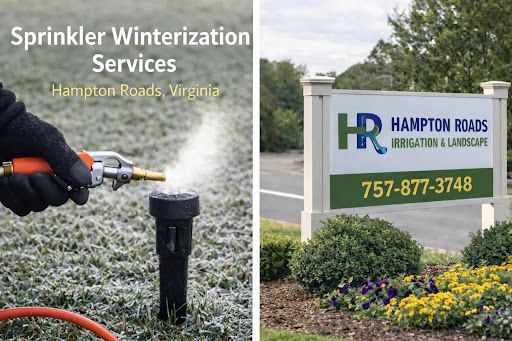
Technicians follow a controlled sequence—draining lines, performing air blowouts to remove residual moisture, and insulating vulnerable components—to remove water that would otherwise freeze and cause damage.
Key Freeze Protection Techniques Used in Winterization Services
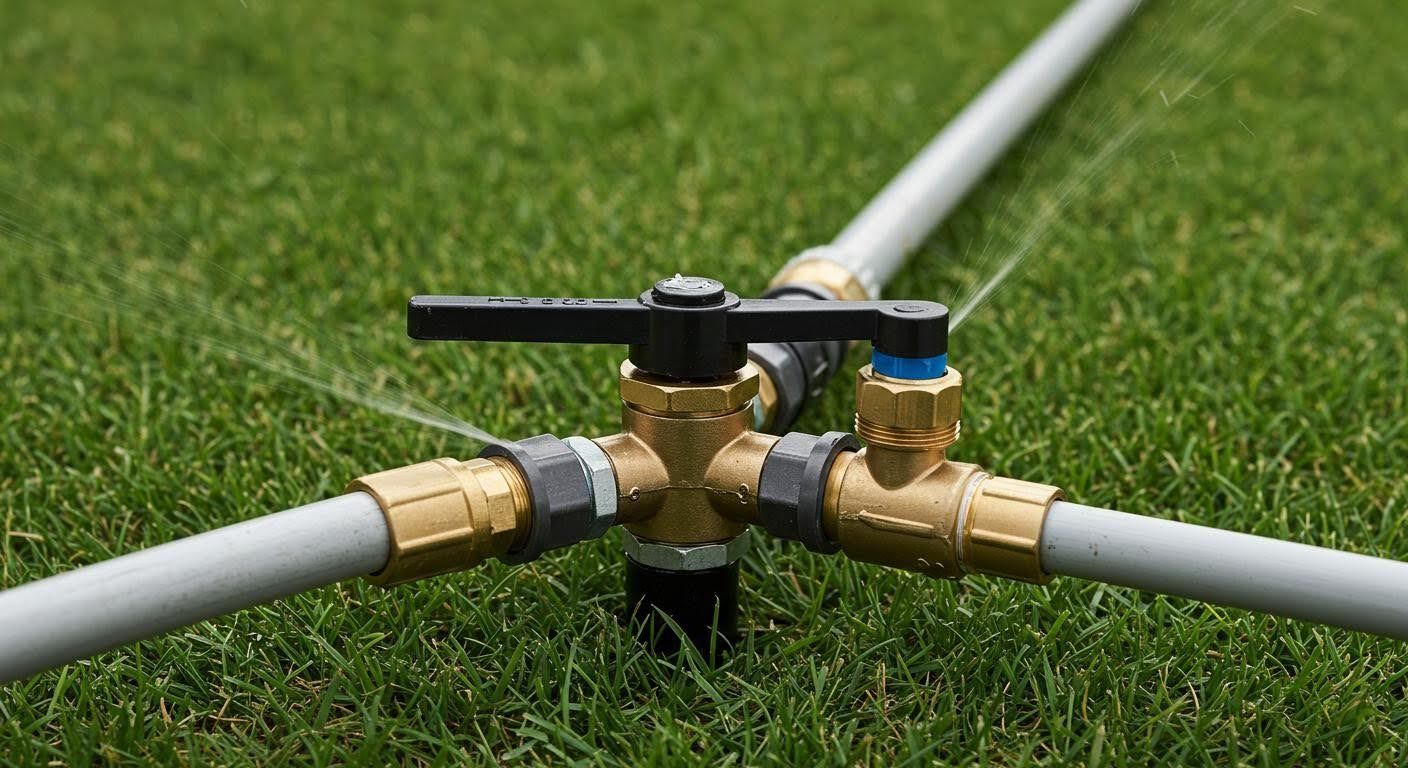
Winterization relies on a few proven techniques:
- Water Removal : Drain the system to eliminate standing water.
- Blowout Process : Use compressed air to clear residual moisture from lines and components.
- Insulation
: Protect exposed valves and vulnerable parts from freezing temperatures.
Together these methods form a reliable winter defence for irrigation systems.
What Are the Essential Steps in the Irrigation Winterization
Process?
The winterization process follows essential, repeatable steps to provide full protection:
- Preparation Steps : Assess the system and note areas needing special attention.
- System Drainage : Remove water from mains, zones and components.
- Protective Measures
: Apply insulation and secure vulnerable devices.
Following these steps helps minimise freeze risk and ensures reliable performance in spring.
Professional Irrigation Blowout Service Explained
A professional blowout is a core winterization task: after draining, technicians use high-pressure air to clear remaining moisture from lines. This reduces freeze risk and ensures the system is left with minimal residual water; professionals handle pressure control and safety.
How Do Winter Irrigation Maintenance Plans Enhance System
Reliability?
Winter maintenance plans combine scheduled inspections, timely winterization and ongoing support so issues are caught and resolved early. Investing in a plan improves monitoring, reduces failures and extends system life.
Benefits of Seasonal Irrigation System Drainage Services
Seasonal drainage services deliver practical, preventative benefits
- Early Detection of Issues : Spot potential problems before they grow.
- Avoiding Major Repairs : Address issues early to prevent costly fixes.
- Extending System Life
: Keep components in good condition for longer.
These services support efficient water management and resource conservation.
What Is the Cost and Value of Professional Irrigation Winter
Preparation?
Winter preparation typically costs $75 to $250 depending on system complexity. This protection prevents freeze damage and yields long-term savings by improving durability and efficiency; choose services that match your system's needs.
Long-Term Savings from Preventing Irrigation Freeze Damage
Professional winterization prevents major repairs, extends component life and reduces water waste, which can lower utility costs and strengthen the economic case for seasonal care.
To learn more about our company and the services we offer, visit our "about us" page. For information on "sprinkler and irrigation" options or to consider our "system care plans" for ongoing support, explore our site. If you have questions or need assistance, please "contact us" , and read "our reviews" to see customer feedback.
Frequently Asked Questions
What is the best time to schedule irrigation winterization services?
Schedule winterization in late fall before the first hard freeze; monitor local forecasts and book early
Can I winterize my irrigation system myself?
DIY is possible, but professionals are more reliable— they ensure complete drainage, correct insulation and safe equipment use.
What are the signs that my irrigation system needs winterization?
Visible water in pipes, recent temperature drops or prior leaks/damage indicate it's time to winterize.
How long does the winterization process take?
Most professional winterizations take about one to two hours for standard systems; larger setups require more time.
What happens if I skip winterization for my irrigation system?
Skipping risks frozen pipes, cracked valves and costly repairs; winterization prevents these common failures.
Are there any additional services offered during winterization?
Many providers include inspections, repairs and recommendations; ask about bundled maintenance plans.
How can I prepare my irrigation system for winterization?
Turn off the water, clear debris from heads, make valves accessible and report visible leaks before the service.
Conclusion
This is paragraph text. Click it or hit the Manage Text button to change the font, color, size, format, and more. To set up site-wide paragraph and title styles, go to Site Theme.