How to Winterize Your Sprinkler System Effectively: Expert Steps for Freeze Protection and Longevity
By Bert Voight, Hampton Roads Irrigation & Landscape
Proper maintenance keeps sprinkler systems efficient in Hampton Roads' variable weather. This concise guide covers the essentials: professional maintenance, seasonal inspections, common faults, winterization, DIY checks, repair signs, and the value of system care plans .
As irrigation technology advances, focused maintenance preserves longevity and performance.
Efficient Irrigation System Maintenance for Longevity
Irrigation systems evolve and require routine maintenance to perform as designed. Because systems include multiple subsystems, a structured maintenance plan—such as reliability-centred maintenance (RCM)—helps plan activities and guide decisions. Implementing RCM allows managers to schedule maintenance, prioritise tasks within time and budget constraints, and extend system availability and useful life, reducing the risk of failure and negative impacts.
Maintenance Management: A Study of Reliability-CenteredMaintenance for Irrigation System, CAV
Cavalcante, 2015
Regular Professional Maintenance
Annual professional service finds hidden leaks, restores coverage and reduces water waste. A technician can optimise pressure, adjust zones and update controller settings to improve performance and lower bills.
HR Irrigation specialises in sprinkler system installation, repair and maintenance across the Hampton Roads area, with services tailored to local conditions.
Seasonal Inspections
Inspect systems at least each season: check for leaks, adjust heads and confirm timer settings to keep coverage
even and efficient.
This is a subtitle for your new post
Recommended Maintenance Frequency for Optimal Sprinkler Performance
Follow this simple inspection schedule:
| Season | Recommended Action | Frequency |
|---|---|---|
| Spring | Check for leaks and adjust settings | At least once |
| Summer | Monitor water usage and adjust timers | Monthly |
| Fall | Prepare for winterization | At least once |
| Winter | Inspect for freeze damage | Monthly |
Regular checks reduce costly repairs and help maintain a healthy lawn year-round.
Seasonal Inspection Tips Tailored to Hampton Roads Climate
Use these focused checks for local conditions:
- Adjust for Rainfall : Track local rain and reduce run times when appropriate.
- Inspect for Pests : Look for burrows or damage near heads and valves.
Evaluate Plant Growth : Trim or reposition heads as vegetation changes.
Common Issues to Watch For
Early detection saves time and money. Check for these frequent problems:
- Leaks : Wet patches or soggy spots often signal a leak.
- Uneven Watering : Dry areas or overwatered spots mean head adjustment or pressure checks are needed.
- Timer Malfunctions
: Confirm controller schedules and battery backup to avoid missed cycles.
Addressing problems promptly keeps your system efficient.
Winterization
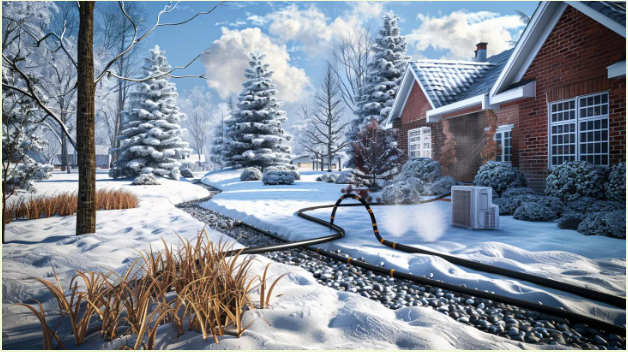
Prevent freeze damage with three key steps:
- Shut Off the Water Supply : Turn off the system’s main supply before freezing weather.
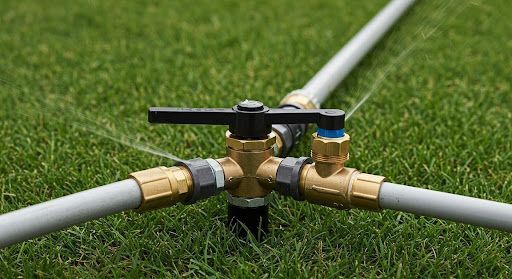
- Drain the System : Use an air compressor or approved method to remove water from lines.
- Insulate Exposed Components : Protect backflow assemblies and exposed pipes with insulation.
-
Proper winterization protects components and eases spring start-up.
DIY Maintenance
Routine homeowner checks extend system life. Keep these simple tasks on your schedule:
- Check for Visible Leaks : Repair or schedule service for any wet areas.
- Adjust Sprinkler Heads : Align heads and remove obstructions for even coverage.
- Hire Professionals for Complex Repairs
: Call a pro for major leaks, valve or pipe work.
These actions reduce failures and maintain healthy turf.
Signs of Needed Repairs
Watch for indicators that require professional attention:
- High Water Bills : Unexpected increases often point to leaks.
- Visible Pooling in the Lawn : Pooling suggests broken pipes or faulty heads.
- Dry Patches Despite Regular Watering
: May indicate zone, pressure or head issues.
Quick repairs limit damage and restore efficiency.
System Care Plans
A system care plan bundles inspections, priority service and common repairs so homeowners get consistent performance and fewer surprises.
Choose a plan that matches your priorities for hydraulic performance and budget.
Irrigation System Maintenance Plans & Repair Priorities
During the transition and at the beginning of the operation phase, irrigation managers and farmers may need to undergo a maintenance learning process. The objectives of this chapter are to: understand various types of maintenance and repair priorities for improving hydraulic performance and understand the scope of various maintenance plans. A maintenance plan is prepared to carry out various maintenance activities in accordance with priorities under given constraints of time, financial budget, and available machinery/manpower. Maintenance plans are classified as (a) Essential Structural Maintenance Plan (ESM); (b) Normal Maintenance Plan; (c) Catch-Up Maintenance Plan; and (d) Preventive Maintenance Plan. The scope of the Maintenance for each of these plans is discussed in detail.
Maintenance of irrigation systems, UC Chaube, 2023
Overview of System Care Plans for Reliable Sprinkler Performance
- Regular Inspections : Scheduled checks to spot issues early.
- Priority Service : Faster response for urgent repairs.
- Cost Savings : Reduced rates for plan members.
Water Efficiency and Cost Savings Through Professional Maintenance
Regular professional care keeps irrigation efficient, lowering water use and utility costs while supporting
conservation goals.
These tiered options match different homeowner needs and budgets.
For details or to contact us , please visit our website.
To learn more about us and our services, visit our website or read our reviews .
Frequently Asked Questions
What are the benefits of regular professional maintenance for sprinkler systems?
It preserves efficiency, prevents costly failures and reduces water waste while maintaining healthy turf.
How can I winterize my sprinkler system effectively?
Shut off supply, blow out lines with an air compressor or approved method, and insulate exposed parts.
What signs indicate that my sprinkler system needs repairs?
Look for higher bills, pooling, or persistent dry spots and schedule an inspection.
How often should I perform seasonal inspections on my sprinkler system?
Inspect at least each season and check timers and heads monthly during peak season.
What DIY maintenance tasks can I perform on my sprinkler system?
Check for visible leaks, realign heads and clear blockages; leave complex fixes to professionals.
What are system care plans, and how do they benefit homeowners?
Write for me
Based on entire block
Quota 0/99999
Plans provide scheduled inspections, priority service and reduced repair costs for consistent performance.
Conclusion
Regular maintenance—DIY checks plus annual professional service or a care plan—keeps your sprinkler system efficient, protects components and saves water and money in Hampton Roads.