How a Quality Irrigation System Saves You Money: Efficient Solutions and Cost Benefits
A quality irrigation system lowers water use and cuts costs while improving landscape health. This article outlines how proper design, the right system type, and routine maintenance produce long‑term savings, plus how smart technology and care plans help optimize water use.
Efficient Solutions
Well‑engineered systems deliver water to where plants need it and reduce waste. Key technologies use targeted delivery and data to avoid unnecessary watering.
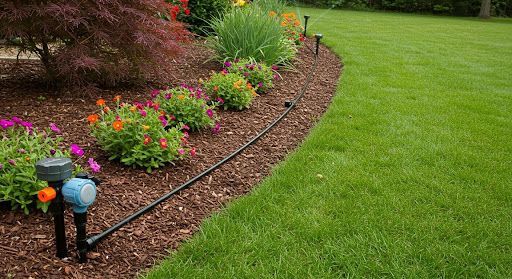
- Drip Irrigation: Delivers water directly to plant roots to cut evaporation and runoff, ideal for gardens and beds.
- Smart Irrigation Controllers: Use weather and moisture data to adjust schedules and avoid overwatering.
- Regular Maintenance: Inspections and timely repairs prevent leaks and keep systems efficient.
Used together, these approaches reduce consumption and lower utility bills.
Cost Benefits
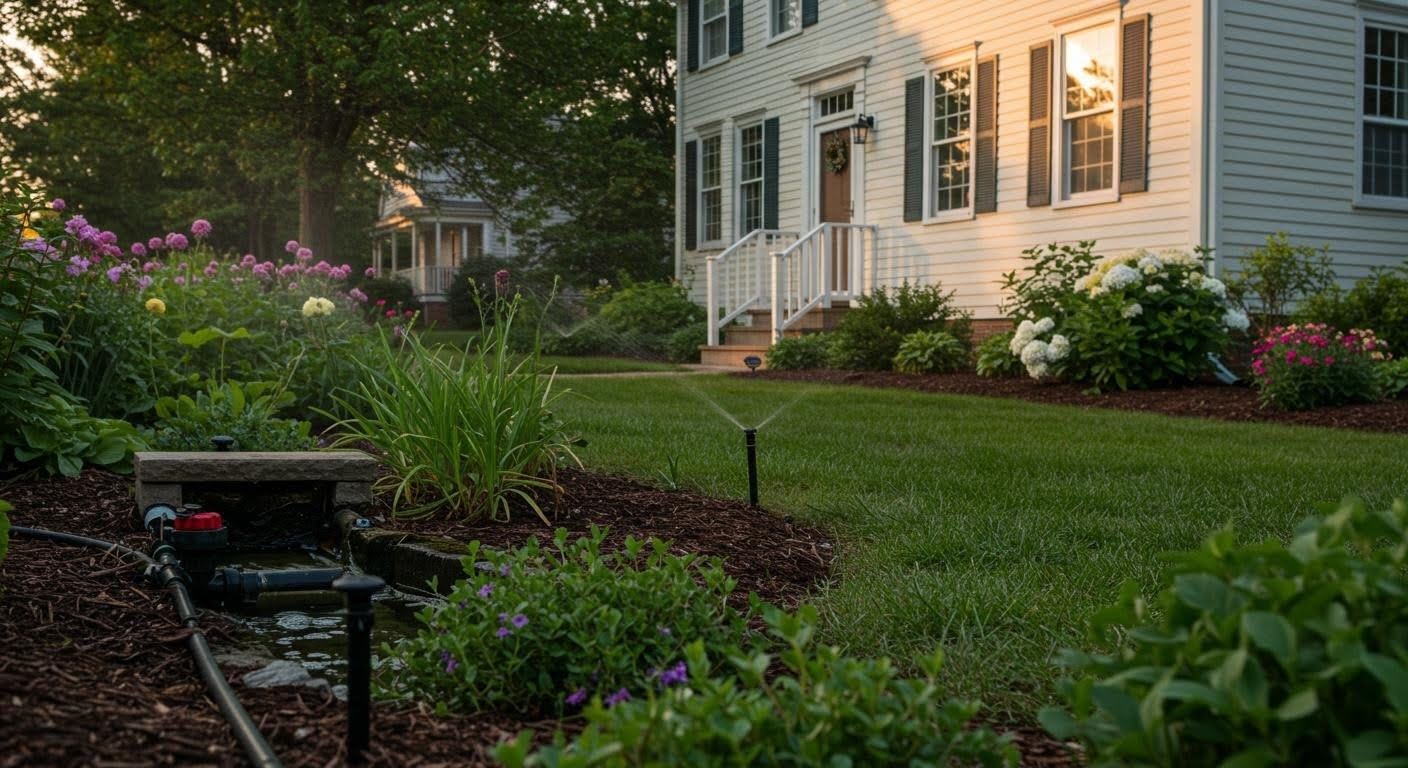
Financial benefits include lower water bills, fewer repairs, and possible local rebates for efficient systems.
- Reduced Water Bills: Efficient systems can substantially cut water use, lowering monthly costs.
- Lower Maintenance Costs: Fewer breakdowns and longer component life reduce repair bills.
- Local Incentives: Rebates or incentives often offset part of the initial install cost.
Choosing the right system and maintaining it preserves these savings.
How Does Regular Lawn Irrigation System Maintenance Maximize Savings?
Routine checks catch leaks and blockages early and keep settings calibrated, reducing wasted water and avoiding costly repairs.
What Are the Financial Benefits of System Care Plans?
Purchasing a "system care plan" adds predictable maintenance and early fault detection, lowering unexpected repair expenses. Homeowner advantages include:
- Cost Savings from Repairs: Early fixes prevent larger failures.
- Maintenance Frequency Benefits: Regular service keeps performance consistent year‑round.
- Plan Options Available: Flexible plans fit different property needs and budgets.
Care plans can be a cost‑effective way to protect your investment.
Long-Term Financial Advantages
Beyond immediate savings, efficient systems can increase property value and help meet local conservation requirements.
- Return on Investment: Lower operating costs and better landscaping boost long‑term value.
- Increased Property Value: Attractive, water‑efficient gardens are more marketable.
- Environmental Compliance Benefits: Efficient systems help satisfy regional water‑use rules.
These outcomes support the case for investing in quality irrigation.
What Are the Key Types of Water-Saving Irrigation Systems?
Options suit different needs; selecting the right type depends on plants, layout and local conditions.
- Drip Irrigation: Best for beds and individual plants by targeting roots.
- Smart Irrigation Controllers: Automate schedules using weather and sensor data.
- Moisture Sensors: Prevent unnecessary watering by monitoring soil moisture.
How Do Efficient Irrigation Techniques Reduce Water Consumption?
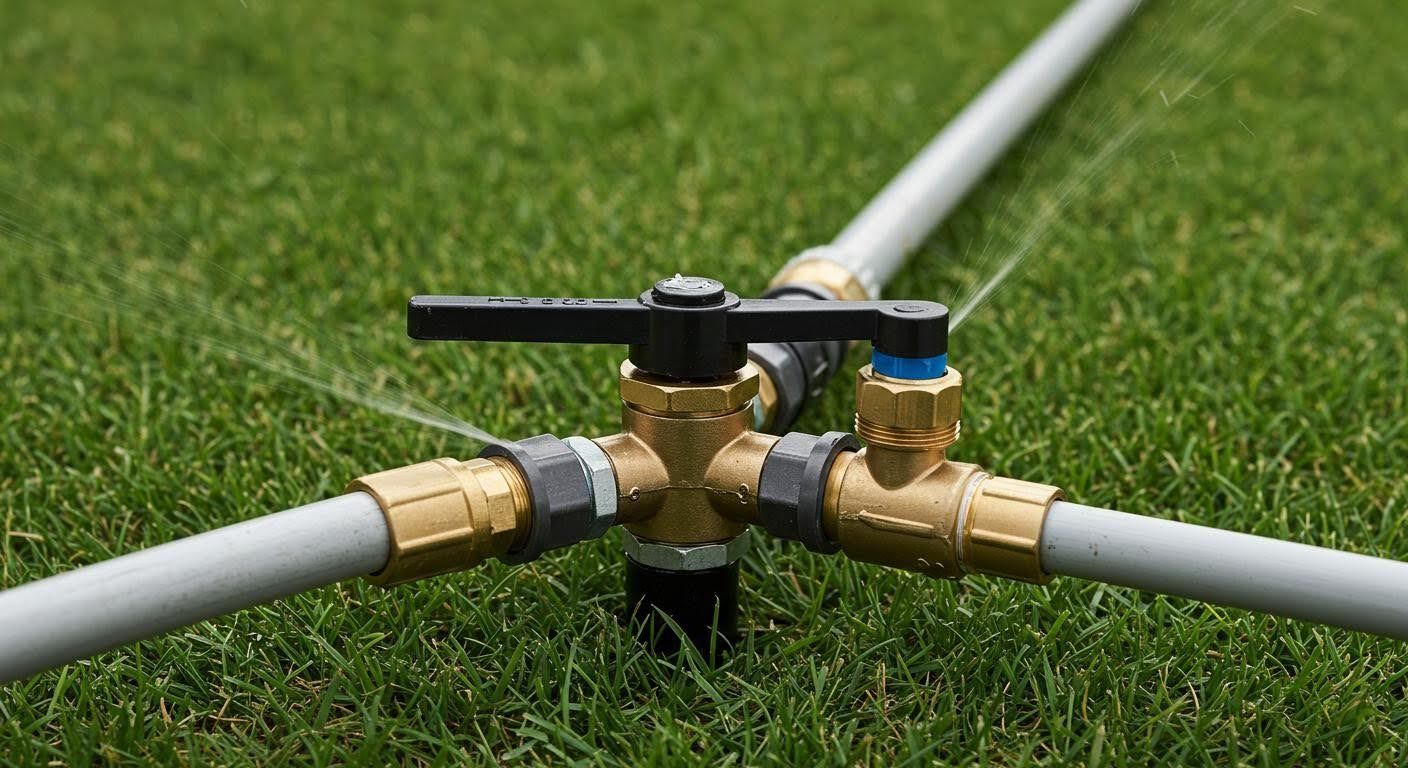
Targeted delivery (drip) and data‑driven scheduling (smart controllers, sensors) reduce waste and ensure plants receive the right amount of water.
What Local Factors Influence Irrigation System Efficiency?
Climate, soil and regulations shape system design. Tailoring the system to local conditions improves performance and savings.
- Climate Conditions: Arid areas often favour drip systems; wetter climates need different timing.
- Soil Composition: Soil type affects absorption and schedule choices.
- Local Regulations: Rules can limit watering times or require efficient fixtures.
Designing with these factors in mind yields better results.
How Does Preventive Maintenance Extend System Lifespan?
Preventive maintenance keeps components functioning and prevents small faults from becoming failures.
Research further highlights that a structured maintenance approach improves system availability and extends useful life.
Irrigation System Maintenance for Efficiency & Lifespan
Routine maintenance is necessary to ensure the system performs as designed. Because irrigation systems comprise multiple subsystems, a formal maintenance plan is required to maintain function. Failures can harm irrigated crops. This study shows a real‑world application of reliability‑centered maintenance (RCM) for an irrigation system. Implementing RCM enables planned maintenance activities and structured decision‑making. An efficient maintenance management framework is the way to ensure system availability and extend useful life span.
Maintenance Management: A Study of Reliability-Centered Maintenance for Irrigation System, CAV Cavalcante, 2015
- Preventive Maintenance Importance: Identifies issues before they escalate.
- Efficiency Improvements: Well‑maintained systems use less water.
- Early Detection of Issues: Routine inspections save repair costs.
Prioritising preventive maintenance maximises lifespan and efficiency.
What Is the Cost of Installing Automated Irrigation Solutions?
Costs vary by system complexity and property size; long‑term savings usually offset the initial outlay.
- Average Cost Range: Typical installs vary by scope and features.
- Factors Influencing Pricing: Property size, system type and extras affect price.
- Long-Term Savings Potential: Reduced water and repair costs lower lifetime expense.
Understand likely costs and savings when planning an installation.
How Do Smart Irrigation Controllers Optimize Water Use?
Smart controllers adjust schedules using weather and sensor data to avoid unnecessary watering and improve plant health.
- Dynamic Adjustments: Change schedules with forecasts and soil data.
- Water Savings Statistics: Studies report meaningful usage reductions from smart controls.
- Professional Installation Benefits: Ensures correct setup and calibration.
Smart controllers are a practical step toward reliable water savings.
What Are the Long-Term Savings Compared to Installation Costs?
Though initial costs exist, reduced water bills and maintenance often recover the investment over time.
- Reduced Water Usage: Efficient systems can cut consumption significantly.
- Lower Utility Bills: Ongoing savings on monthly water costs.
- Decreased Maintenance Costs: Fewer repairs over the system's life.
These combined savings typically justify the purchase.
How Do Efficient Irrigation Systems Support Environmental and Regulatory Goals?
They conserve water, reduce runoff and support healthier soils—benefits that align with conservation rules and local sustainability aims.
- Water Efficiency: Minimises waste and supports conservation.
- Reduced Runoff: Less runoff protects waterways from pollution.
- Enhanced Soil Health: Proper watering improves soil structure and plant health.
Adopting efficient practices helps meet environmental and regulatory expectations.
What Local Water Conservation Regulations Affect Irrigation?
Local rules may set watering times, require efficient equipment, or offer incentives—check local authorities to ensure compliance.
- Compliance with Regulations: Follow local laws to avoid penalties.
- Sustainability Goals: Many regions promote reduced water use.
- Local Initiatives: Programs may offer support or rebates.
Staying informed helps you optimise system performance and benefits.
How Does Efficient Irrigation Reduce Environmental Impact?
Efficient irrigation conserves resources, supports sustainable landscaping and helps landscapes adapt to changing conditions.
- Water Efficiency Benefits: Lower overall water demand.
- Sustainable Landscaping: Healthier plants with less maintenance.
- Adaptation to Climate Change: Better resilience through careful water management.
These environmental gains add to the financial case for efficient irrigation.
To learn more about our company, please visit our "about page".
Considering upgrading your current system? Explore our "sprinklers and irrigation" options for efficient watering solutions.
If you have any questions or need assistance, please "contact us" today.
Frequently Asked Questions
What are the signs that my irrigation system needs maintenance?
Uneven watering, visible leaks, dry or oversaturated patches, or a sudden rise in your water bill indicate service is needed.
How can I choose the right irrigation system for my garden?
Match the system to plant types, garden size and climate. Drip for beds and mixed plantings; sprinklers for larger turf areas. A local specialist can advise.
What are the environmental benefits of using an efficient irrigation system?
Efficient systems reduce water waste, lower runoff and support soil and ecosystem health, benefiting biodiversity and resilience.
Are there any government incentives for installing water-efficient irrigation systems?
Many local authorities offer rebates or grants; check your water authority or environmental agency for available programs.
How often should I schedule maintenance for my irrigation system?
At minimum once a year before the growing season; address leaks or uneven coverage immediately.
What role do moisture sensors play in irrigation efficiency?
Moisture sensors measure soil water and prevent unnecessary irrigation, reducing use and improving plant health.
Can I install an irrigation system myself, or should I hire a professional?
Basic systems can be DIY, but professionals ensure correct design, compliance and setup for complex components like controllers and sensors.
Conclusion
A quality irrigation system conserves water and delivers lasting savings. Choose appropriate solutions, follow local rules, and prioritise regular maintenance to maximise benefits and system life. Explore our irrigation options to improve garden efficiency and lower costs.