Why Winterizing Your Sprinkler System Is Essential: Professional Chesapeake Irrigation Winterization Services and Benefits
Preparing your sprinkler system for winter protects your investment and prevents freeze damage that leads to costly repairs and lost efficiency. Below we explain why winterizing matters, what professional winterization includes, and practical steps to keep your system ready for spring.
Importance of Winterizing a Sprinkler System
Winterizing removes water from pipes, valves and heads so expanding ice cannot crack components. Proactive winterization reduces repair bills and preserves system life and reliability.
Professional Winterization Services in Chesapeake
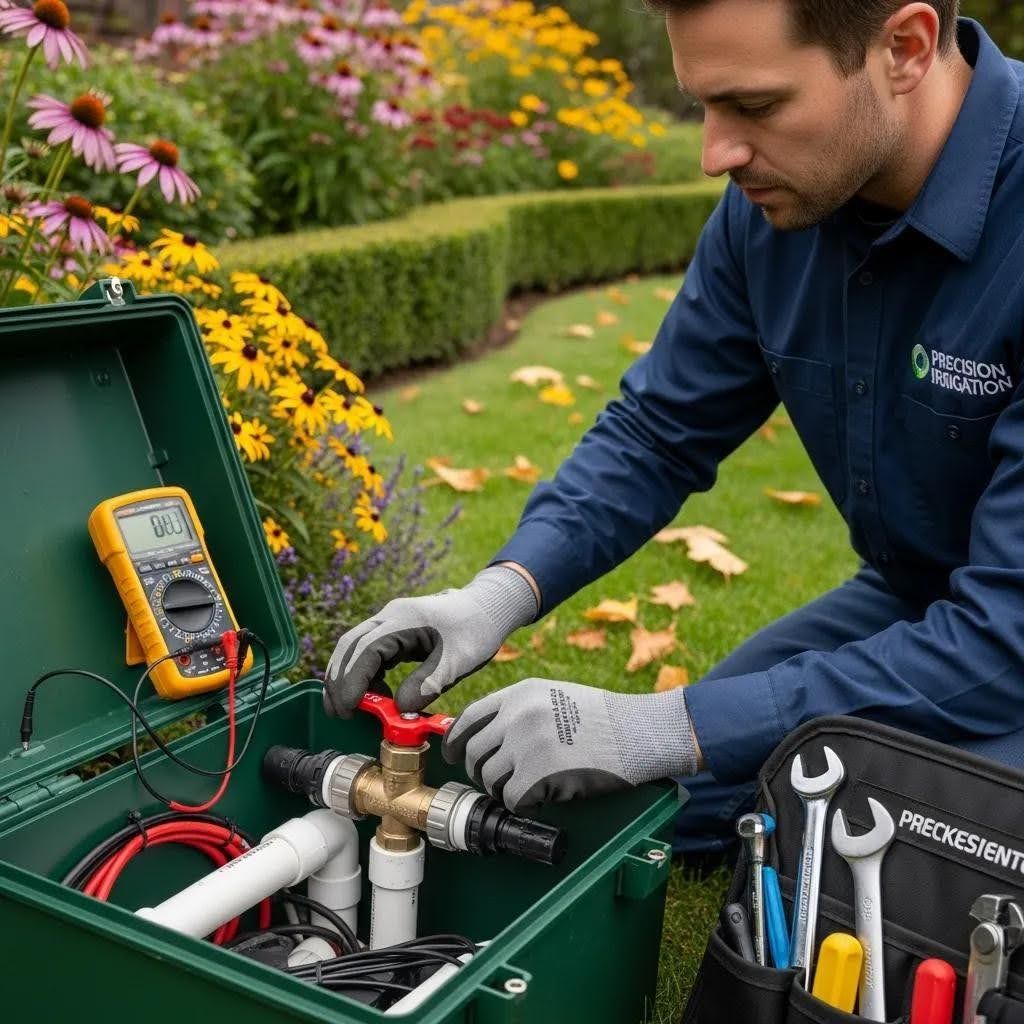
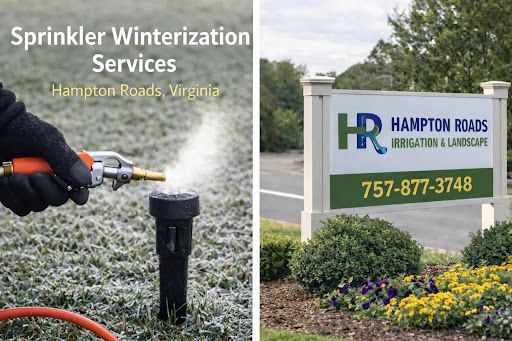
Chesapeake professionals perform inspections, controlled draining and line blowouts with specialised equipment. Hiring a trained service ensures best practices are followed and reduces the chance of winter damage.
HR Irrigation, a Chesapeake-based provider, offers installation, maintenance and winterization and tailors plans to local climate and site conditions.
Benefits of Properly Preparing an Irrigation System for Winter
Proper winter preparation gives homeowners clear benefits:
- Reduced Risk of Damage: Draining and blowouts prevent freeze-related breaks.
- Cost-Effectiveness: A modest winterization fee avoids larger repair or replacement costs.
- Improved Performance: Serviced systems return to efficient operation in spring.
These measures maintain both functionality and efficiency.
Beyond traditional winterization, smart irrigation technologies are being evaluated for their role in freeze prevention and overall system efficiency.
Smart Irrigation for Freeze Prevention & System Efficiency
The research objective is to evaluate Smart Irrigation systems that combine soil moisture sensors and micro-sprinklers for efficient operation during freeze conditions. When 1 gram of water freezes, 80 calories of heat are released; if 1 gram evaporates it absorbs 600 calories. The experimental system uses feedback sensors—wind, relative humidity, soil sensors—plus actuators and valves to apply water on demand. During a freeze event the system switches to freeze-prevention mode and applies water to the canopy so the freezing water protects the crop canopy.
Smart irrigation as a method of Freeze Prevention: A Proposed Model, D Goorahoo, 2008
What Are the Key Steps to Winterize Your Sprinkler System Effectively?
Use a simple three-step process to minimise freeze risk:
- Turn Off the Water Supply: Shut the main supply so no new water enters.
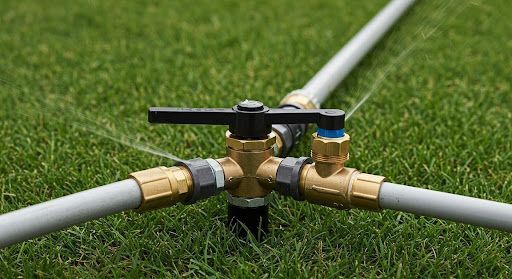
- Drain the System: Open drain valves to release standing water.
- Blow Out the Lines: Use compressed air to remove residual water from pipes and components.
Completing these steps prevents ice damage and helps ensure a reliable restart in spring.
How Does the Sprinkler Blowout Service Protect Your Irrigation System?
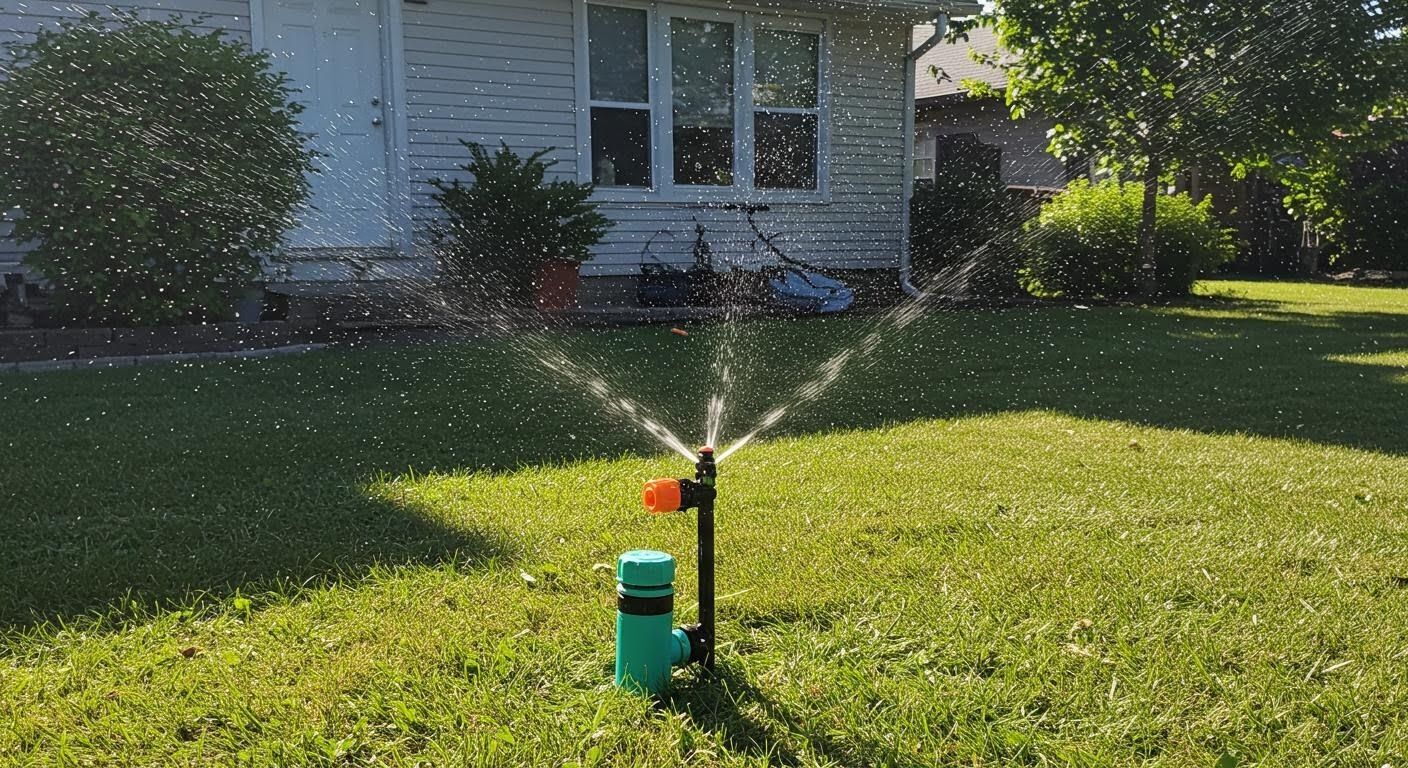
Blowouts use compressed air to clear water from pipes, valves and heads, preventing freezing and splitting. A professional blowout also reveals leaks or weak valves so you can repair them before winter.
Why Is Proper Valve Shut Off and Drainage Critical in Winterization?
Shutting valves prevents water from re-entering the system after service; effective drainage removes trapped water that could freeze. Together these steps minimise ice formation and help the system restart reliably.
What Risks and Costs Arise from Not Winterizing Your Sprinkler System?
Without winterization, systems face cracked pipes, seized valves and ruined heads. Repair costs can be substantial, and neglected systems often return with decreased efficiency and higher water use.
Research highlights multiple approaches to reduce frost risk, tailored to specific environments and crop or landscape needs.
Frost Damage Protection Strategies for Irrigation Systems
Frost damage varies by species, growth stage and local microclimate; buds and flowers are most vulnerable. Passive measures—site selection, soil and canopy management, cultivar choice—can reduce exposure. Active methods—heaters, wind machines, over-canopy sprinkling—can mitigate frost when used under appropriate conditions. Recent models using cooling rates, dew point and energy-balance methods help forecast minimum temperatures and estimate freeze-injury risk based on crop-specific thresholds. Their effectiveness depends on frost type and site conditions.
Engineering Perspectives on Frost Damage in Horticultural Crops: A Review of Mechanisms, Critical Temperatures, and Protection Strategies, 2026
How Does Freeze Damage Impact Sprinkler System Components and Repair Expenses?
Freeze damage can crack or burst pipes, seize valves and destroy heads, often requiring component replacement. These repair bills typically exceed the cost of proper winterization.
What Are the Long-Term Cost Benefits of Professional Winter Shut Down Services?
Professional shutdowns lower the chance of expensive freeze repairs, help the system run more efficiently and can reduce water use over time — making winterization a sound investment.
Why Choose Professional Sprinkler Winterization Services in Chesapeake?
Local technicians bring the right equipment and experience to complete winterization properly. Their understanding of Chesapeake weather and soils allows tailored procedures and often includes service guarantees for homeowner confidence.
How Does Local Expertise Enhance Winterization Quality and Reliability?
Technicians who know local conditions can spot vulnerabilities standard checks might miss and apply targeted solutions to improve protection and reduce winter damage risk.
What Are the Advantages of System Care Plans for Irrigation Winter Maintenance?
System care plans provide scheduled inspections, seasonal winterization and routine maintenance. Enrolling ensures regular oversight, fewer surprises and potential savings on services. See the system care plans offered by HR Irrigation for details.
Viewed holistically, ongoing maintenance plans are essential to preserve long-term operational integrity and efficiency.
Essential Preventive Maintenance for Irrigation Systems
A maintenance plan organises activities according to priorities, time, budget and available equipment or labour. Plans are commonly classified as (a) Essential Structural Maintenance Plan (ESM); (b) Normal Maintenance Plan; (c) Catch-Up Maintenance Plan; and (d) Preventive Maintenance Plan. The scope and tasks for each plan are detailed in the literature.
Maintenance of irrigation systems, UC Chaube, 2023
How Much Does Sprinkler System Winter Shut Down Cost and When Should You Schedule It?
Costs depend on system size and complexity; typical professional winterization ranges from $75 to $250. Schedule service in early fall, before the first frost, to ensure timely protection.
What Factors Influence the Cost of Professional Winterization Services?
Price reflects system size, layout complexity and required services. Booking early can secure better availability and occasional discounts for advance scheduling.
When Is the Optimal Time to Schedule Your Sprinkler System Winterization in Chesapeake?
In Chesapeake, late October to early November is the recommended window. Monitor local forecasts and book accordingly.
To learn more about HR Irrigation, their services and commitment to quality, visit their website.
For sprinkler and irrigation options, HR Irrigation offers a range of services to suit most needs.
If you have questions or need to schedule service, contact HR Irrigation for assistance.
Frequently Asked Questions
What are the signs that my sprinkler system needs winterization?
Signs include standing water at heads or drains, visible leaks, or pressure fluctuations. If freezing temperatures are expected, schedule winterization before the first frost.
Can I winterize my sprinkler system myself, or should I hire a professional?
Basic steps can be done by experienced homeowners with proper tools, but professionals offer safer, more complete blowouts and inspections that reduce risk.
How long does the winterization process take?
A professional winterization generally takes 30–60 minutes depending on system size and complexity.
What should I do if I missed the winterization deadline?
Act quickly: open drain valves and, if possible, use an air compressor to clear lines. If temperatures are already low or you’re unsure, call a professional to assess and act.
Are there any long-term benefits to winterizing my sprinkler system?
Yes. Winterization reduces freeze damage, lowers repair and replacement costs, improves spring performance and extends system life.
What additional services should I consider for my irrigation system during winter?
Consider seasonal inspections for leaks, drainage and component condition. Many providers include these checks in system care plans for year-round reliability.
Conclusion
Winterizing your sprinkler system prevents freeze damage and preserves efficiency. Professional winterization reduces repair risk and helps the system perform better in spring. Schedule winterization to protect your irrigation investment and gain peace of mind through the cold months.