Why Proper Sprinkler Winterization Saves You Money: Understanding Costs, Benefits, and Maintenance
Proper winterization protects irrigation systems from freezing temperatures that cause expensive damage. It prepares pipes and components to withstand cold weather, reduces the risk of burst lines and failed heads, and limits emergency repairs. Below we summarize costs, inspection priorities, the value of professional blowouts, and how seasonal plans extend system life.
Cost Savings
A timely winterization prevents freeze damage that often leads to costly emergency repairs. Typical service costs range from about $75 to $300 depending on scope; basic winterization commonly runs $100–$150, while more comprehensive plans are around $200–$300. Investing in winter care is usually far less than repairing freeze-related damage in spring.
Research supports the economic benefits of preventive maintenance in climates that experience freezing conditions.
Cost-Effective Preventive Maintenance in Wet-Freeze Climates
Wet-freeze climate data were used to evaluate the effectiveness and cost-effectiveness of different treatments applied at different timings in wet-freeze climates, assessing optimal timing and costs.
Regular Inspections
Inspections catch worn parts and small leaks before they escalate. Including inspections in your maintenance schedule saves money and helps maintain efficient system performance.
Extended System Life
Proper winterization reduces seasonal wear and tear, preserving seals, valves, and other components so the system requires fewer repairs and performs better in spring.
Professional Blowout Services
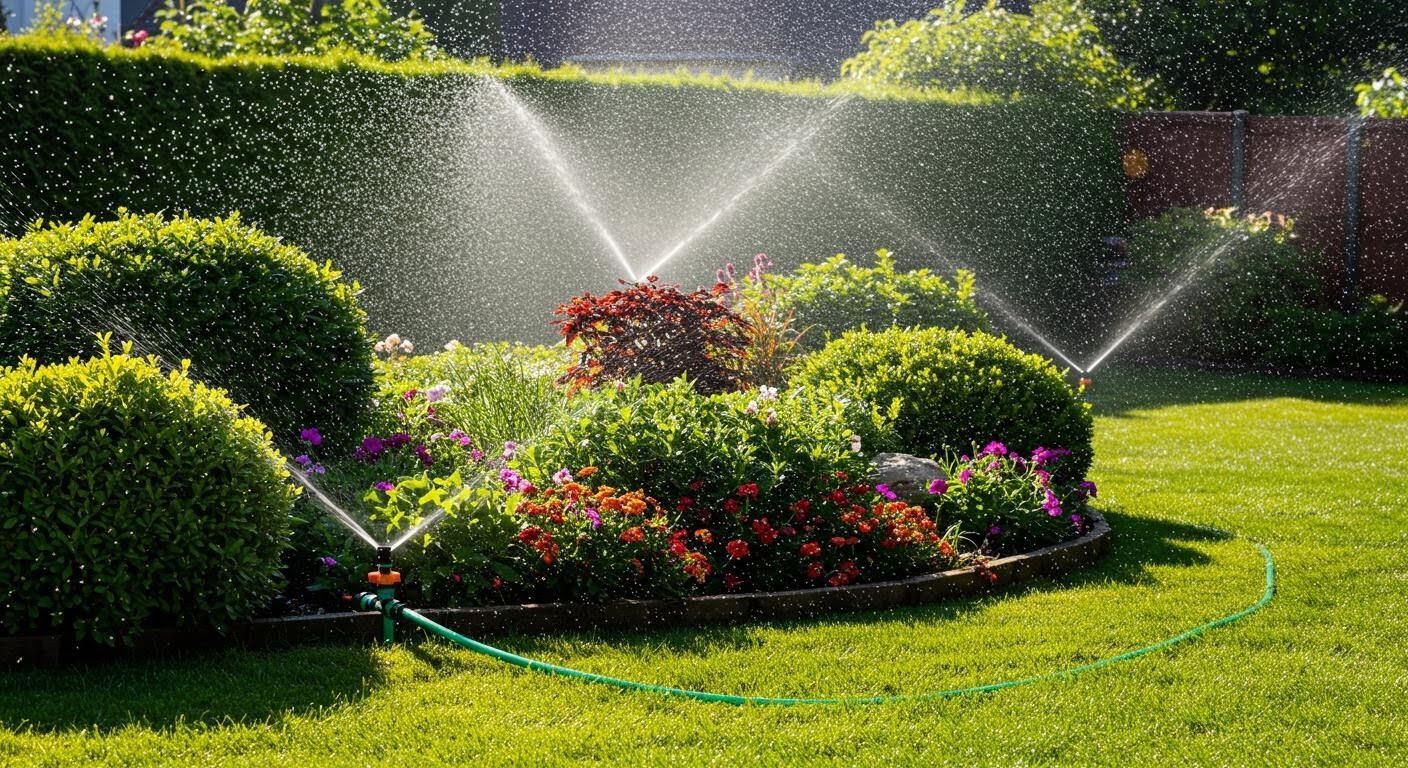
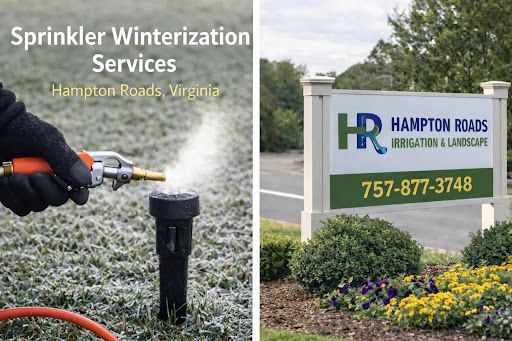
A professional blowout uses calibrated air pressure and proper procedures to remove moisture from pipes and components, preventing internal ice formation and protecting system functionality.
Seasonal Maintenance Plans
Enrolling in seasonal maintenance plans ensures winterization happens on a schedule and catches small issues early. Plans vary by scope so you can select one that matches your property and budget while reducing long-term repair risk.
Knowing plan types and objectives makes it easier to match a plan to your needs and budget.
Irrigation System Maintenance Plans & Financial Budgeting
The chapter outlines objectives: define maintenance and repair priorities to improve hydraulic performance and describe the scope of maintenance plans. Maintenance plans are classified as (a) Essential Structural Maintenance Plan (ESM); (b) Normal Maintenance Plan; (c) Catch-Up Maintenance Plan; and (d) Preventive Maintenance Plan.
Customized Plans
Plans tailored to your system and local climate provide the right level of protection year-round and optimize reliability without paying for unnecessary services.
Optimal Timing
Schedule winterization in late fall to ensure technician availability and to complete preparations before freezing temperatures arrive.
What Are the Key Benefits of Professional Sprinkler Winterization?
Professional winterization reduces costs and extends system life. Key advantages include:
- Prevention of Freeze Damage: Removing water from pipes prevents ice formation and burst pipes.
- Cost Savings on Repairs: Avoiding freeze-related breaks reduces emergency repair expenses.
- Extended System Life: Regular winter care lowers wear and extends equipment longevity.
Prevention of Freeze Damage
Clearing water from pipes and components dramatically reduces the chance of ice formation and costly failures.
Cost Savings on Repairs
Preventing freeze-related breaks reduces emergency repairs and associated high costs.
Extended System Life
Routine winterization helps equipment operate efficiently and reduces the frequency of replacements and service calls.
How Much Does Sprinkler System Winterization Cost in Hampton Roads?
In Hampton Roads, expect winterization costs generally between $75 and $300 based on system complexity. Basic services are typically $100–$150; comprehensive plans often range $200–$300. Full seasonal maintenance programs may run higher depending on included services.
What Factors Influence the Price of Irrigation Winterization Services?
Price depends on system size and complexity, timing in the season, and the provider’s experience and qualifications.
- System Size and Complexity: Larger or more complex systems take more time and resources.
- Timing of Service: High demand times can increase prices.
- Professional Expertise: Experienced providers may charge more but reduce risk of damage.
How Do System Care Plans Offer Cost Savings Compared to One-Time Services?
Care plans bundle preventive services to lower long-term costs. Regular maintenance reduces damage risk and keeps systems efficient, delivering measurable savings over time.
What Is the Winter Sprinkler Blowout Process and Why Is It Essential?
The blowout clears water from the system by shutting off water, draining lines, then expelling remaining moisture with controlled air pressure to prevent freeze damage.
- Turn Off the Water Supply: Shut off the water before beginning.
- Drain the System: Remove standing water from lines and components.
- Blow Out the Lines: Use air to ensure no water remains that could freeze.
What Are the Step-by-Step Procedures in a Professional Sprinkler Blowout?
A professional blowout typically follows these concise steps:
- Turn off the water supply to the sprinkler system.
- Drain the system to remove residual water.
- Use an air compressor to blow out lines until moisture is expelled.
Can Homeowners Perform Winterization Themselves or Should They Hire Experts?
Homeowners with the right tools and experience can perform winterization, but professionals reduce the risk of damage by using correct pressures and procedures.
Research shows that insufficient technical knowledge in irrigation management can lead to economic disadvantages.
Economic Benefits of Proper Irrigation System Maintenance
This occurs because a lack of technical knowledge about water requirements, irrigation scheduling, and proper maintenance of distribution systems undermines system performance and economic outcomes.
How Does Regular Sprinkler System Maintenance in Winter Save Money?
Regular winter maintenance prevents small problems from becoming costly repairs. Key complementary tasks include:
- Regular Inspections: Identify potential issues early.
- Timely Winterization: Perform winterization on schedule to avoid freeze damage.
- Equipment Maintenance: Keep valves, seals, and controllers in good condition to reduce failures.
How Do Maintenance Plans Reduce Long-Term Repair Costs?
Maintenance plans provide preventive care that reduces damage and extends system life. Bundled services offer better value and help maintain consistent performance.
| Service Type |
C o s t R a n g e |
Description |
|---|---|---|
| Basic Winteriz- ation |
$ 1 0 0 - $ 1 5 0 |
Essential winterization services to protect your system. |
| Compreh- ensive Plan |
$ 2 0 0 - $ 3 0 0 |
Includes additional inspections and maintenance services. |
| Seasonal Maintena- nce |
$ 3 0 0 - $ 5 0 0 |
Ongoing care throughout the year to ensure system health. |
The table compares service options and shows how investing in comprehensive care can be cost-effective when viewed against repair and replacement risks.
Understanding proper winterization and associated costs helps protect your investment. Working with professional services such as HR Irrigation provides expertise and peace of mind to keep your system winter-ready.
Frequently Asked Questions
What are the signs that my sprinkler system needs winterization?
Visible water in pipes, leaks, inconsistent pressure, or frost around heads indicate the system needs winterization. If it hasn’t been serviced in the past year, schedule an inspection and winterization.
How can I prepare my sprinkler system for winterization?
Shut off the water supply, clear debris, and drain visible water. If doing a DIY blowout, use the correct compressor and fittings; otherwise hire a professional for consistent results.
What are the risks of not winterizing my sprinkler system?
Not winterizing risks burst pipes, damaged heads, and water damage—leading to high repair bills and shortened system life.
How often should I schedule inspections for my sprinkler system?
Schedule inspections at least once a year, ideally before winter. If you notice pressure or coverage changes during the season, inspect sooner.
Can I winterize my sprinkler system in the spring instead of the fall?
No—winterization must be completed before freezing temperatures. Use spring to reactivate the system and check for any winter damage.
What should I look for in a professional winterization service?
Choose a provider with experience, positive reviews, and clear procedures. Ensure they understand your system, offer comprehensive blowouts, use proper equipment, and explain maintenance plans.
Conclusion
Proper winterization is a cost-effective investment that prevents freeze damage and extends system life. Professional services ensure your irrigation system is prepared for winter and operates efficiently. With timely winterization and regular maintenance, you protect your property and reduce long-term costs. Review seasonal maintenance plans to keep your system in optimal condition year-round.