How to Winterize Your Sprinkler System Effectively: Expert Steps for Freeze Protection and Longevity
By Bert Voight, Hampton Roads Irrigation & Landscape
Winterizing your sprinkler system protects your investment and prevents freeze damage that shortens system life. Water left in pipes, valves, or heads can freeze and cause costly failures. This guide gives clear steps, recommended equipment, maintenance tips, common mistakes to avoid, and when to call a professional.
Key Steps for Winterization:
Follow these essential steps to winterize your sprinkler system:
- Turn Off the Water Supply: Shut the main feed to the irrigation system so no new water can enter.
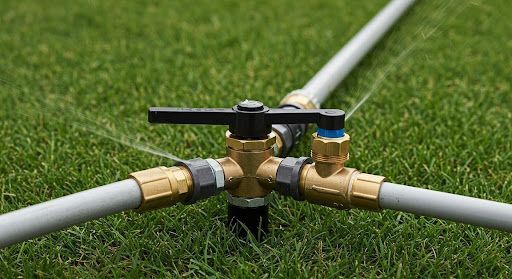
- Drain the System: Open drain valves and low points so gravity expels standing water from pipes and valves.
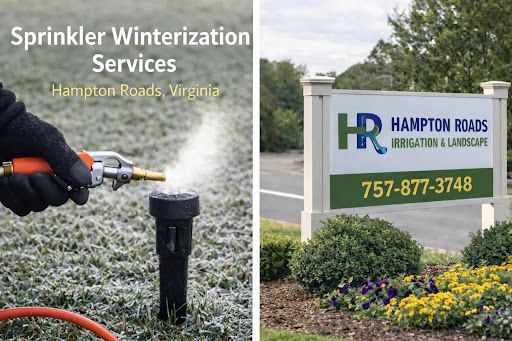
- Blow Out the Lines: Use an air compressor to clear remaining water from lateral lines and heads; do not over-pressurize PVC components.
Completing these three steps correctly prevents freeze-related bursts and reduces spring repair needs.
New TitleEquipment and Techniques for Freeze Protection:
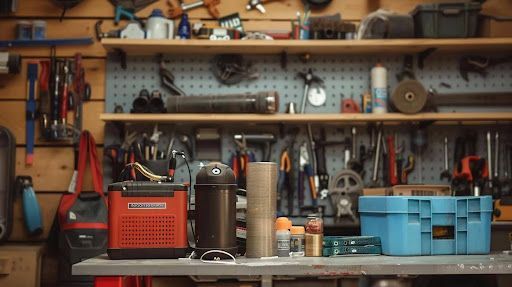
Essential tools and techniques:
- Air Compressors: Choose a compressor with enough CFM to push water from the longest run; follow manufacturer pressure limits.
- Insulation Materials: Insulate exposed pipes and backflow assemblies with foam or heat tape where needed.
- Professional Expertise: For complex systems or mixed-material piping, consider a pro to avoid damage.
Maintenance Tips for Longevity:
Regular checks and seasonal planning keep the system reliable:
- Enroll in a Seasonal Maintenance Plan: Routine service finds issues early.
- Conduct Regular Inspections: Check heads, valves, and pressure before shutdown.
- Timely Winterization: Winterize before the first hard freeze, not after it arrives.
Common Mistakes to Avoid:
Avoid these frequent errors:
- Neglecting Winterization: Skipping it risks burst pipes and valves.
- Inadequate Drainage: Partial draining leaves pockets of water that freeze.
- Using Incorrect Equipment: Too little compressor power or excessive pressure can both cause damage.
Why Is Professional Sprinkler System Winterization Essential?
Skipping winterization can lead to frozen and burst pipes, costly repairs, and potential liability if damage spreads to structures or neighboring property. Proper winterization helps avoid these outcomes.
How Does Winterization Extend System Longevity?
By removing water and inspecting components, winterization prevents catastrophic freeze damage, reduces repair and replacement costs, and provides an opportunity for corrective maintenance before spring.
What Are the Key Steps in the Sprinkler System Winterization Process?
In short:
- Turn Off the Water Supply
- Drain the System
- Blow Out the Lines
Following those steps in order protects the system through freezing weather.
How to Perform a Sprinkler Blowout Safely and Effectively?
Keep these safety and technique points in mind:
- Necessary Equipment: Proper compressor, pressure gauge, and safety goggles.
- Step-by-Step Instructions: Shut off water, drain gravity drains, then use short bursts of air while monitoring pressure and zone valves.
- Safety Measures: Never exceed recommended working pressure; wear eye protection and follow compressor safety rules.
When and Why Should You Inspect and Drain Your Irrigation System?
Inspect and drain your system before the first frost. Early inspection exposes leaks or malfunctioning parts so you can repair before winter, and thorough draining removes residual water that could freeze.
How Do Professional Irrigation Winterization Services Compare to DIY Methods?
DIY can save money but carries higher risk if you lack the right compressor, pressure control, or experience. Professionals bring appropriate tools, technique, and troubleshooting experience. For professional help, HR Irrigation offers specialized winterization services.
What Are the Advantages of Hiring HR Irrigation’s Winterization Service?
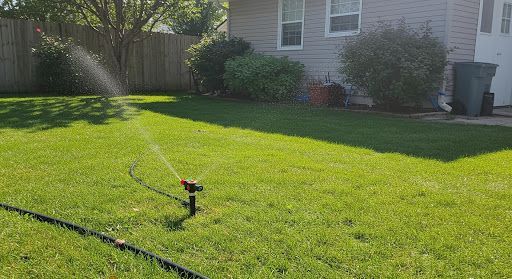
HR Irrigation provides:
- Thorough Water Removal: Complete blowouts and drain checks.
- Early Fault Detection: Identify and often correct issues before freeze causes failure.
- Expertise and Equipment: Technicians use correct pressures and insulation methods.
-
Learn about service plans at HR Irrigation system care plans.
Can Homeowners Winterize Their Sprinkler Systems Themselves?
Yes—if they have the right tools and follow proper steps: shut off water, drain low points, and blow out zones with controlled compressor pressure. If unsure about equipment or procedure, hire a professional to avoid costly mistakes.
What Are the Costs and Benefits of Sprinkler System Winter Maintenance?
Costs depend on system size and complexity; professional winterization typically ranges from $100 to $300. Benefits include avoided repair bills, longer system life, and peace of mind—making professional service a cost-effective option for many homeowners.
How Does Investing in Winterization Save Money Long-Term?
Preventing freeze damage and catching small issues early reduces repair and replacement costs, so the upfront winterization expense often yields net savings over time.
What Are Typical Prices for Professional Winter Sprinkler Blowout Services?
Expect typical professional blowout pricing in the $100–$300 range depending on system complexity. To schedule or ask questions, contact HR Irrigation today.
Frequently Asked Questions
What is the best time to winterize a sprinkler system?
Winterize before the first hard frost, usually in late fall. Monitor local forecasts and schedule a few weeks in
advance.
Can I winterize my sprinkler system without professional help?
Yes—if you have a suitable compressor, pressure gauge, and understand the sequence. Otherwise,
professionals reduce risk of damage.
What are the signs that my sprinkler system needs maintenance?
Look for uneven watering, visible leaks, low pressure, broken heads, or malfunctioning valves. Address issues
before winterization.
How can I protect my sprinkler system from extreme cold?
Drain water, insulate exposed components, and consider freeze-protection devices. Regular maintenance and
timely winterization are key.
What should I do if I forgot to winterize my sprinkler system?
If temperatures have dropped, inspect for visible damage and do not operate a suspect system—contact a
professional for assessment and repair
.
Are there any specific tools I need for DIY winterization?
Essential tools: a reliable air compressor with pressure control, pressure gauge, wrenches for drain valves, and
safety goggles.
How often should I inspect my sprinkler system throughout the year?
Inspect at least twice yearly—spring startup and fall before winterization—and check for leaks, broken components, and irregular patterns.
Conclusion
Write for me
Based on entire block
Quota 0/99999
Winterizing your sprinkler system is a straightforward way to protect your investment and extend system life. Follow the key steps—shut off water, drain, and blow out lines—or hire a qualified pro for complex systems. For dependable winterization services, consider contacting HR Irrigation.