How can professional grading prevent soil erosion around my property?
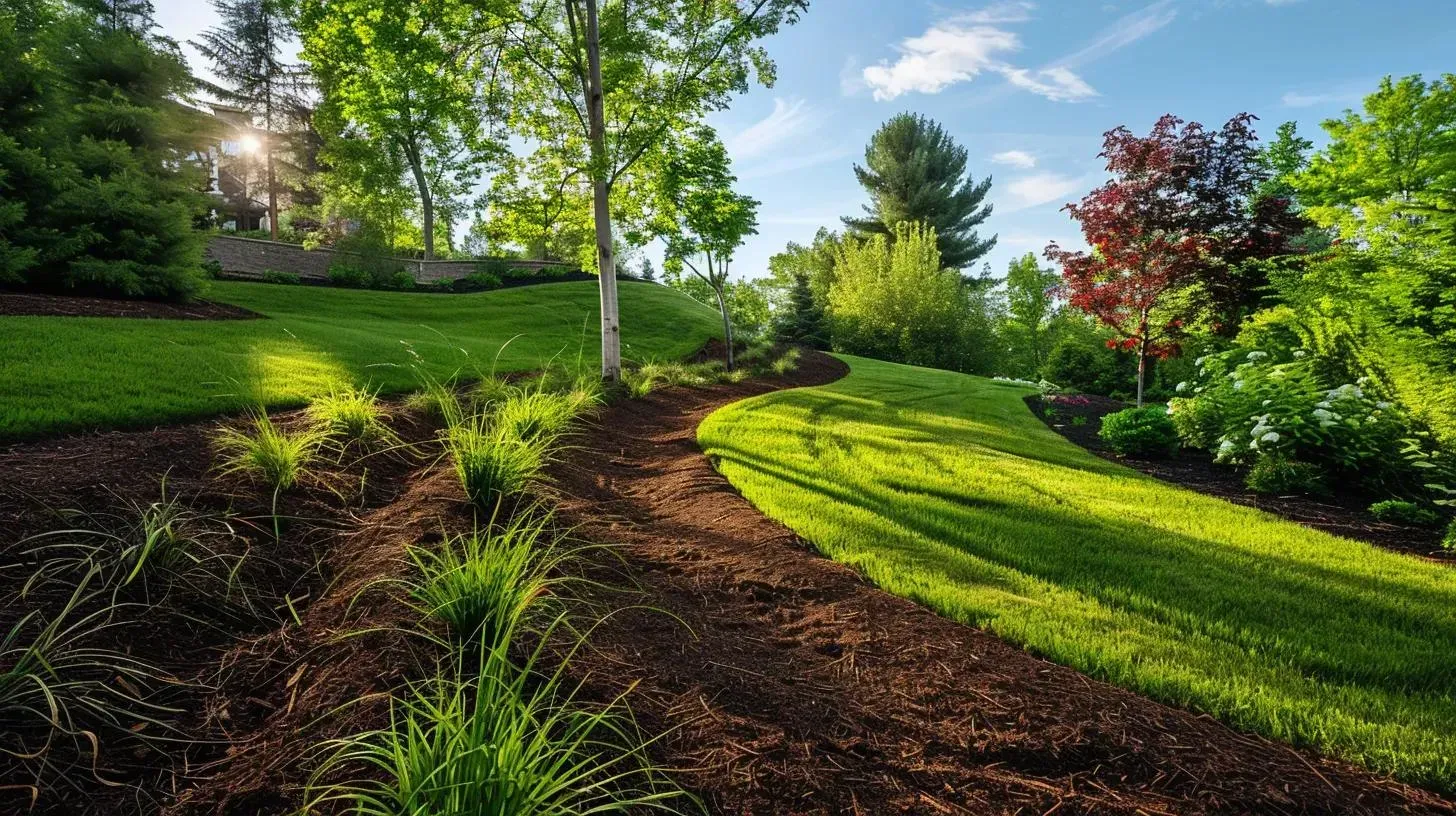
Professional grading can transform a vulnerable, eroding yard into a stable, lush environment that stands up to heavy rains, shifting slopes, and relentless runoff. In Hampton Roads, where occasional downpours and coastal weather patterns challenge even the best-maintained landscapes, understanding how precise land reshaping works is crucial. Whether you’re aiming to safeguard your foundation, enhance Grading Service Hampton Roads for maximum impact, or ensure that every raindrop finds its proper path, the right approach to grading will deliver long-term soil erosion control, healthier plantings, and a property that looks—and performs—as it should.
How does grading prevent soil erosion?
Grading reshapes the ground surface to direct water flow away from vulnerable areas, effectively minimizing soil displacement and sediment loss. By creating gentle slopes and properly contoured swales, water travels in controlled channels rather than rushing unchecked over bare soil. This slows runoff velocity, reducing its erosive force and allowing the ground to absorb moisture gradually.
When executed professionally, land grading incorporates local soil conditions and expected rainfall patterns. Technicians analyze soil type, compaction level, and existing vegetation cover to craft a grading plan tailored for your lot’s unique profile. This ensures water doesn’t concentrate in one area, exposing bare dirt that can wash away over time.
In addition to redirecting water, grading can create terraces or retaining features that break up long, steep runs. These engineered steps act like miniature check dams, catching sediment and encouraging infiltration. Viewed holistically, grading becomes an active defense against the four major erosion types—sheet, rill, gully, and streambank erosion—by systematically eliminating the conditions that trigger each.
Grading Service Hampton Roads: A Critical Step in Soil Erosion Control
Grading Service Hampton Roads is the cornerstone of any effective soil erosion control strategy in our region. Whether you’re preparing a new construction site or rehabilitating an existing landscape, precise grading sets the stage for sustainable results.
Landscape grading services in Hampton Roads start with a comprehensive assessment of your terrain. Technicians map out elevation changes, pinpoint water flow patterns, and identify trouble spots where water pools or runs too fast. With heavy-duty equipment calibrated for local soil textures—from sandy loam near the coast to heavier clays inland—they sculpt slopes that meet strict standards for erosion prevention techniques.
This approach not only protects the immediate surface but also fortifies your property’s foundation. Foundation protection grading elevates critical zones to divert water away from basements, crawlspaces, and building perimeters, preventing costly structural damage over years of weather exposure.
What are common causes of soil erosion on residential properties?
Understanding why erosion occurs is the first step toward prevention. On residential lots, soil displacement often stems from five key factors:
- Excessive slope gradients that accelerate water flow
- Poor vegetation cover, leaving soil exposed to rain impact
- Compacted topsoil that hinders infiltration
- Inadequate drainage infrastructure
- Routine disturbance from foot traffic or equipment
In Hampton Roads’ coastal climate, heavy rains frequently coincide with already saturated grounds. When new construction disrupts the existing soil matrix—stripping away plants and organic matter—you create a perfect storm for erosion events that can manifest as bare patches, gullies, or basement seepage.
Which erosion prevention techniques are most effective?
Professional land grading often pairs best with complementary practices that reinforce the soil surface and stabilize slopes. The most effective techniques include:
- Vegetative cover: Planting native grasses, shrubs, or groundcovers that anchor soil with roots.
- Mulching: Applying organic material to buffer raindrop impact.
- Terracing: Creating flat, stepped platforms to interrupt water flow.
- Geotextiles and erosion control blankets: Providing temporary stabilization until vegetation establishes.
- Silt fences and wind fences: Trapping sediment on slopes during construction phases.
When layering these methods, slope stabilization methods become more resilient. Foundation protection grading combined with root-friendly plantings, for example, ensures water is diverted before it can saturate building perimeters, while groundcovers lock in any residual soil particles.
How do you evaluate the need for professional land grading?
Before engaging in any major landscaping work, homeowners should look for telltale warning signs that grading is overdue:
Water ponding near foundations Bare, eroded channels cutting through lawns Soggy or swampy patches after moderate rainfall Pool deck or patio surfaces cracking from shifting soil Difficulty establishing healthy turf
Identifying these issues early not only prevents further erosion but also reduces the scope—and cost—of remediation. A qualified grading contractor will perform a site-wide inspection, measuring existing slopes and testing soil infiltration rates to determine whether simple regrading or a full drainage retrofit is warranted.
Be vigilant for typical Signs of Poor Yard Drainage that signal underlying grading problems. Left unchecked, minor water pooling can escalate into major structural headaches and landscape failure.
How can landscape grading services improve property drainage solutions?
Landscape grading services go beyond smoothing ground surfaces; they optimize your entire yard’s hydrology. By recalibrating how water enters, travels across, and exits your property, grading contractors can:
• Redirect surface runoff to storm drains or retention features
• Minimize backflow toward foundations
• Channel water into rain gardens or bioswales
• Provide a solid base for hardscapes, patios, and walkways
This holistic approach to property drainage solutions transforms troublesome wet areas into assets. Your lawn thrives where it’s meant to, plants receive consistent moisture without risk of overwatering, and you gain peace of mind knowing every inch of your landscape is calibrated for performance.
When comparing trench-based solutions, understanding French Drain vs. Grading can guide your decision on whether to excavate a stone-filled channel or to recontour the land surface entirely.
What should you expect when hiring grading contractors near me?
Searching for “grading contractors near me” often yields a long list of local companies, but choosing the right team is crucial for a successful grading project. Here’s what to look for in a top-tier contractor:
Licensed and insured for land alteration and excavation Proven track record with local projects and references State-of-the-art equipment for precision grading Clear project scope, timeline, and cost estimate Post-grading inspections to verify erosion prevention measures
A seasoned contractor will collaborate with you to integrate grading into your broader landscape plan—ensuring plantings, irrigation lines, and hardscape elements work in unison.
What is the cost of professional grading and how to budget?
Investing in professional grading is an investment in your home’s longevity. Costs vary based on:
Land area and slope complexity Soil type and existing compaction levels Accessibility and proximity to utilities Extent of drainage structures needed Local permit and compliance requirements
To anticipate expenses, homeowners can request line-item estimates detailing machinery hours, labor, materials (like geotextiles), and oversight fees. Proper budgeting often involves balancing grading scope with supplemental erosion prevention measures to achieve the best ROI.
Upfront analysis helps avoid surprise charges down the road; understanding the Cost of fixing yard drainage grading positions you to allocate funds wisely and secure dependable results.
How often should land grading be done for erosion control?
While a one-time grading can set a stable foundation, changing site conditions may necessitate periodic regrading. Consider these guidelines:
Every 5–10 years for low-maintenance yards After major construction or landscape renovations Following extreme weather events that alter soil profiles When expanding patios, decks, or new plant beds
Routine inspections after rainy seasons can catch minor shifts before they become full-fledged erosion problems. In areas with higher rainfall intensity, annual reviews ensure slope stabilization methods remain effective and surface grades haven’t eroded back to unsafe angles.
What are residential erosion solutions beyond grading?
Although grading forms the backbone of erosion prevention, combining it with additional strategies ensures lasting stability:
• Rain gardens that absorb runoff naturally
• Retaining walls to hold back steep banks
• Biodegradable erosion control mats for immediate cover
• Soil amendments that improve structure and infiltration
• Root barriers to guide tree roots away from foundations
Each solution addresses specific erosion vectors, and when layered with grading, they create a multi-barrier defense—turning your property into a showcase of sustainable landscape design.
Frequently Asked Questions
1. Can I grade my yard myself or do I need professionals?
While small slope adjustments can be DIY-friendly, professional grading ensures precise slope ratios, proper compaction, and adherence to local regulations. Experts bring knowledge of soil behavior and specialized machinery that DIY projects often lack.
2. Will grading affect my existing plants and trees?
Professional grading plans account for root zones and plant health, minimizing disturbance. In some cases, replanting or temporary removals occur, but technicians restore vegetation promptly to reestablish soil stability.
3. How long does a typical grading project take?
For an average residential lot (¼ to ½ acre), grading can take 1–3 days. Site evaluation, permit approvals, and post-grading inspections may extend the project timeline to 1–2 weeks.
4. Are there any permits required for grading work?
Many municipalities in Hampton Roads require erosion control and land disturbance permits for projects that exceed certain square footage. Your contractor will secure these permits and provide erosion prevention techniques compliant with local codes.
5. What kind of maintenance follows grading?
After grading, regular monitoring of slopes, clearing of debris from swales, and upkeep of vegetation cover are essential. Fertilizing, overseeding bare spots, and annual inspections keep your graded surfaces performing optimally.
Conclusion
Preventing soil erosion around your home hinges on the expertise and precision that only professional grading delivers. From slope stabilization methods and foundation protection grading to comprehensive property drainage solutions, a well-executed grading plan safeguards your landscape against the unique challenges of the Hampton Roads climate. By partnering with a trusted provider like Hampton Roads Irrigation & Landscape, you ensure your yard not only endures but flourishes for decades. Remember, investing in Grading Service Hampton Roads today means fewer repairs, stronger foundations, and a healthier, more attractive outdoor space tomorrow. To schedule a property evaluation or Contact us, reach out today and take the first step toward erosion-free living with expert guidance and proven techniques.
How to Winterize Your Sprinkler System Effectively: Expert Steps for Freeze Protection and Longevity
How to Winterize Your Sprinkler System Effectively: Expert Steps for Freeze Protection and Longevity