Top Signs Your Sprinkler System Needs Repair — Costs, When to Act, and Simple Troubleshooting
Keeping your sprinkler system in good shape protects your yard and your wallet. Spotting problems early cuts down on wasted water, prevents landscape damage, and avoids surprise repair bills. This guide walks you through the common warning signs, which problems need fast attention, the value of routine maintenance, what repair work typically costs, and basic troubleshooting you can try at home. Read on so a small fix today doesn’t turn into a big job tomorrow.
What Are the Most Common Signs Your Sprinkler System Needs Repair?
Knowing what to watch for makes it easy to catch issues before they get worse. The most common symptoms are uneven coverage, standing water, and sprinkler heads that don’t work right. Checking your system regularly helps you keep grass and plants properly watered and avoids bigger problems down the line.
How to Identify Sprinkler Valve and Head Malfunctions

Valve and head problems directly affect how evenly your system waters. Watch for:
- Uneven Watering: Patches that stay soggy while other areas look dry often point to a valve or zone problem.
- Broken Parts: Cracked or snapped heads waste water and need replacement to restore proper coverage.
- Misaligned Heads: If spray is hitting sidewalks or driveways, heads are out of adjustment and should be realigned.
Those quick spot-checks can save you time and money by catching trouble early.
Recognizing Water Pressure Issues and Leak Symptoms
Pressure problems reduce performance and raise bills. Common signs include:
- Low Water Pressure: Weak spray can mean a blockage, a failing pump, or a leak somewhere in the lines.
- Wet Patches: Persistent puddles or soggy spots are classic signs of an underground leak.
- Strange Noises: Hissing or gurgling from pipes or valves often indicates air in the lines or a leak.
Finding these early helps you maintain even pressure and prevents wasted water.
Which Common Sprinkler System Problems Require Immediate Attention?
Some issues can wait a little; others need same-day attention. Acting quickly on urgent problems limits damage and keeps your lawn healthy.
Troubleshooting Sprinkler Timer and Controller Failures
A faulty controller disrupts your watering schedule and can lead to over- or under-watering. Watch for:
- Irregular Scheduling: Zones that won’t come on or won’t shut off usually mean the timer needs a reset, replacement, or reprogramming.
- Blank or Glitchy Display: A dead or erratic display makes it hard to set the system properly—don’t ignore it.
- Power Issues: Before calling a pro, check breakers and wiring for obvious problems.
Quick digital or power checks often restore normal operation without a major repair.
Diagnosing Broken or Clogged Sprinkler Heads
Clogged or damaged heads create poor coverage and waste water. Look for:
- Visible Damage: Replace cracked or crushed heads so water reaches where it should.
- Low or No Flow: Dirt and debris can block nozzles—cleaning or replacing the head usually fixes it.
- Odd Spray Patterns: Uneven or sputtering spray often signals a blockage or misalignment.
Replacing a head or clearing debris is usually fast and inexpensive when caught early.
How Does Regular Irrigation System Maintenance Prevent Costly Repairs?
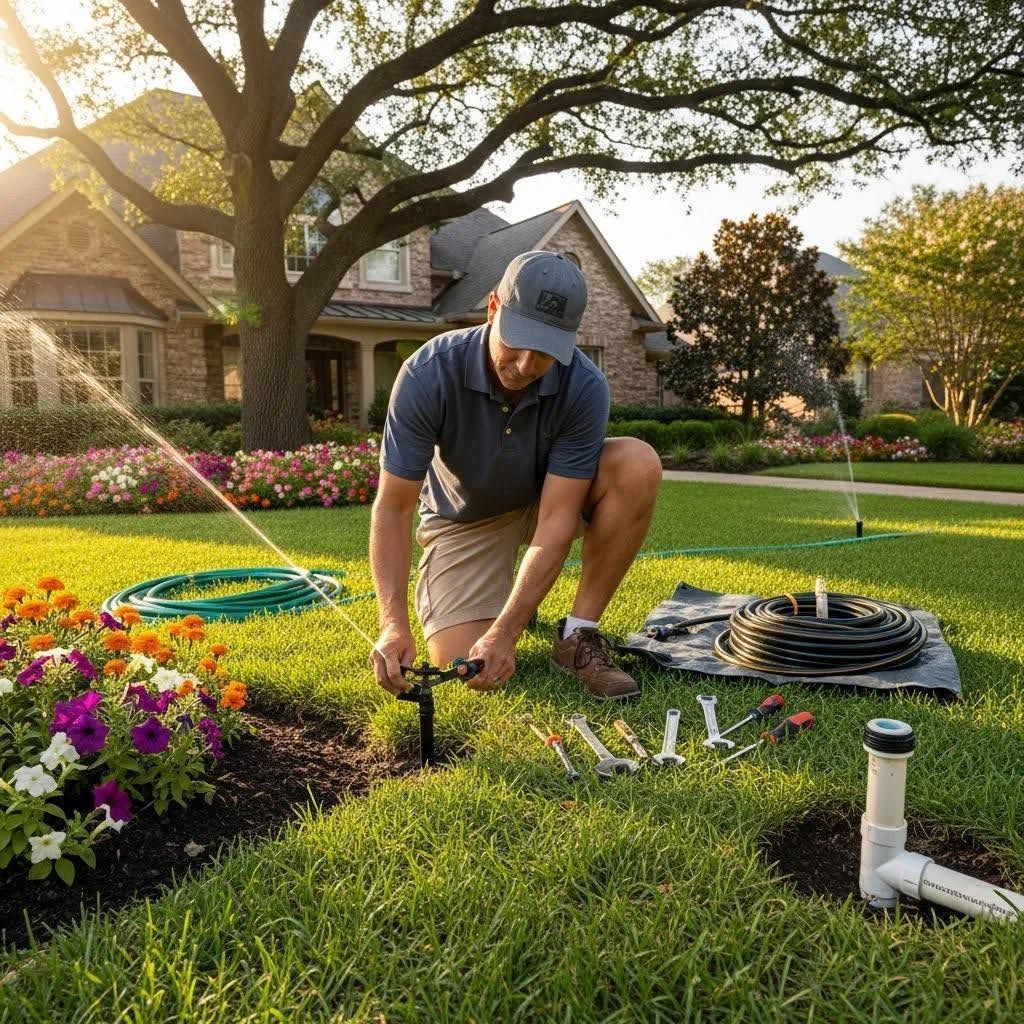
Routine maintenance keeps your system running efficiently and reduces unexpected failures. A little time spent now—seasonal checks, nozzle adjustments, and winter prep—will extend equipment life and lower long-term costs.
Key Irrigation System Maintenance Tips for Hampton Roads Climate
In Hampton Roads, a few local-focused tasks go a long way:
- Seasonal Inspections: Check the system at the start and end of the watering season to spot wear, leaks, or weather-related damage.
- Adjust Heads: Trim plants and realign heads so spray patterns stay on the lawn, not on paths or houses.
- Winterize Properly: Drain or blow out lines and protect exposed components to prevent freeze damage.
Following these steps reduces emergency repairs and keeps your landscape looking its best year-round.
Benefits of Preventative Maintenance on Sprinkler System Longevity
Regular care delivers clear benefits:
- Lower Long-Term Costs: Small fixes now prevent big repairs later.
- Better Efficiency: A tuned system wastes less water and lowers your utility bills.
- Longer Equipment Life: Consistent maintenance helps heads, valves, and controllers last longer.
Investing in upkeep protects your lawn and your budget.
Upgrading to a more uniform, efficient sprinkler system often saves money over time—reduced water use and better crop or landscape performance can justify higher upfront costs.
Economic Benefits of Efficient Sprinkler Systems
Studies comparing sprinkler designs show that systems with better uniformity apply water more precisely, reducing waste. In one analysis of lettuce production on the Swan Coastal Plain (Western Australia), less-efficient systems required up to twice the water of the most efficient designs. Despite higher equipment costs, the improved yields and lower water use make more efficient systems economically attractive in many cases.
Factors affecting the economic benefits of sprinkler uniformity and their implications for irrigation water use, 2008
What Are System Care Plans and How Do They Protect Your Sprinkler Investment?
System care plans bundle regular maintenance and priority service so your irrigation stays reliable. Plans reduce surprises and make budgeting for upkeep simple.
Features of System Care Plans Including Repair and Maintenance Services
Most care plans include:
- Regular Inspections: Scheduled visits to check performance and catch small issues early.
- Priority Service: Faster response times when repairs are needed.
- Discounted Repairs: Reduced rates on labor and parts for members.
These features give homeowners dependable coverage and fewer headaches.
How System Care Plans Reduce Sprinkler System Repair Costs
Signing up for a care plan can save you in several ways:
- Fewer Major Breakdowns: Preventative visits catch faults before they escalate.
- Lower Service Fees: Member discounts and priority scheduling reduce out-of-pocket costs.
- Longer Equipment Life: Regular tune-ups help parts last longer, delaying replacements.
Enroll in a system care plan to protect your irrigation investment and reduce unexpected expenses.
How Much Does Sprinkler System Repair Cost and What Factors Influence Pricing?
Repair costs vary by the type of work and local conditions. Knowing typical price ranges and what affects them helps you plan and compare estimates.
Beyond repairs, total system cost includes the initial install, energy, maintenance, and water—so efficiency and upkeep matter for long-term expenses.
Sprinkler System Water Application & Maintenance Costs
The overall cost of operating a sprinkler system includes equipment investment (pumps, pipes, sprinklers), energy, labor, maintenance, and water. Design and performance choices—spacing, pressure, application rate, and efficiency—directly affect ongoing water application costs.
Analysis of water application cost with permanent set sprinkler irrigation systems, 2004
Typical Costs for Sprinkler Valve Repair and Component Replacement
| Service | Estimated Cost | What Affects Price |
|---|---|---|
| Sprinkler Valve Repair | $75 - $150 | Type of valve, accessibility |
| Sprinkler Head Replacement | $50 - $100 | Head type, labor costs |
| Controller Replacement | $150 - $350 | Model, installation complexity |
Use these ranges to set realistic expectations when getting quotes or budgeting for repairs.
Local Factors Affecting Repair Pricing in Hampton Roads, Virginia
In Hampton Roads, a few local conditions can change repair prices:
- Labor Rates: Local labor costs and technician availability affect estimates.
- Seasonal Demand: Spring and summer are busier—expect longer waits and possibly higher prices.
- Parts Availability: Specialty parts or backorders can increase cost and repair time.
Knowing these influences helps you choose the right time to schedule work and compare bids.
Can You Perform Sprinkler System Troubleshooting and Repairs Yourself?
Many basic fixes are homeowner-friendly, but electrical issues and buried leaks usually need a pro. Tackle simple checks yourself, and call an expert for anything beyond basic repairs.
While homeowners can address straightforward problems, more advanced diagnostic tools are improving how professionals find and fix complex irrigation faults.
Sprinkler System Fault Diagnosis & Troubleshooting
Traditional fault diagnosis for agricultural sprinkler equipment can be slow and imprecise. Newer approaches—like machine-vision–based models—aim to speed diagnosis and improve accuracy for complex systems.
Fault diagnosis of agricultural sprinkler irrigation machinery equipment based on machine vision, 2025
If you need help with your system, contact a professional for an assessment.
DIY Troubleshooting Tips for Common Sprinkler Issues
Before calling a service, try these quick checks:
- Check the Timer: Confirm the schedule and test manual start—sometimes a reset fixes it.
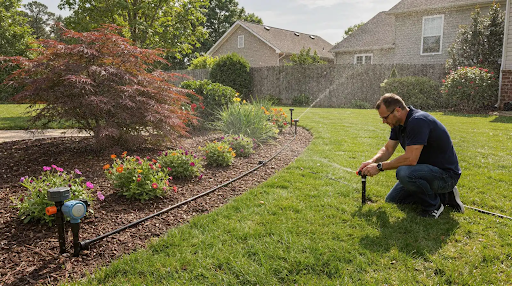
- Inspect Heads: Clear debris, realign heads, or replace visibly damaged nozzles.
- Measure Pressure: A simple pressure gauge helps identify low-flow issues and possible leaks.
These steps often reveal whether you can handle the repair or should call a pro.
When to Call Professional Sprinkler System Repair Services
Hire a pro when problems are complex or persistent:
- Electrical or Control Failures: Issues with wiring, controllers, or solenoids are best handled by technicians.
- Hidden Leaks or Repeated Failures: If a fix keeps failing or the leak is underground, professional diagnosis is recommended.
- Limited Time or Experience: If you’re short on time or unsure, a technician saves you hassle and ensures it’s done right.
Knowing when to call ensures the job is safe and long-lasting.
For more about our team and services, visit our about page.
Frequently Asked Questions
What are the benefits of regular sprinkler system maintenance?
Regular maintenance keeps your system efficient, reduces water waste, and lowers utility bills. Seasonal inspections and timely repairs stop small issues from becoming expensive problems, and a well-kept system lasts longer—protecting your landscape investment.
How can I winterize my sprinkler system?
To winterize, turn off the water supply, drain lines and heads, and use an air compressor to blow out remaining water if needed. Insulate exposed pipes and components to prevent freeze damage. Proper winterization helps your system restart smoothly in spring.
What should I do if my sprinkler system is leaking?
Find the leak source—look for wet spots, soggy patches, or unusually high water bills. Minor leaks from heads or fittings can often be repaired; larger underground leaks usually need a professional. Early detection minimizes water waste and repair costs.
How do I know if my sprinkler timer is malfunctioning?
Signs of a bad timer include missed cycles, zones that won’t start or stop, and display or programming errors. First check power and breakers, then test manual operation. If problems continue, the timer may need repair or replacement.
Can I replace a broken sprinkler head myself?
Yes—replacing a sprinkler head is a common DIY job. Turn off the system, dig around the head, remove the old unit, and install a compatible replacement. Align the head and test the spray pattern before filling the hole back in.
What factors affect the cost of sprinkler system repairs?
Repair cost depends on the repair type, complexity, and local labor rates. Replacing a head is usually inexpensive; valve or controller repairs cost more. Seasonal demand and parts availability also influence final pricing.
When is it necessary to hire a professional for sprinkler repairs?
Call a pro for electrical work, buried leaks, repeated failures, or when you don’t have the time or confidence to fix the problem safely. Professionals provide reliable repairs and advice to prevent future issues.
Conclusion
Spotting sprinkler issues early keeps your landscape healthy and avoids wasted water and surprise expenses. A few routine checks, timely repairs, and proper winterization go a long way toward dependable irrigation. If you’d like expert help or want to learn about our care plans, contact us today.