Sprinkler Maintenance Tips for Yorktown Residents: Practical Advice to Keep Your System Reliable and Last Longer
A healthy Yorktown lawn starts with a dependable sprinkler system. In this guide we walk you through the maintenance schedule, seasonal tasks, simple troubleshooting steps, and the advantages of a professional care plan. Follow these practical tips to boost efficiency, avoid costly repairs, and stretch the life of your irrigation system. We’ll also cover how smart controllers and sensors can help you save water and what to expect cost-wise for routine service.
How often should Yorktown homeowners service their sprinkler system?
Routine checks keep your system running efficiently. How often you inspect and tune your system affects water use, plant health, and equipment life.
Recommended schedule for reliable irrigation performance
During the active growing season—usually early spring through late fall—plan monthly spot checks: clean and realign heads, look for clogs, and confirm proper pressure. In slower months, inspect the system every three months to catch small issues before they grow. Once a year, schedule a thorough inspection to test valves, controllers, and the full zone operation.
Seasonal adjustments for Virginia’s weather patterns
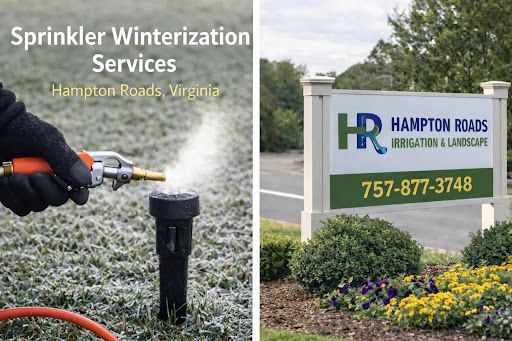
Virginia weather changes throughout the year, so adjust maintenance and watering accordingly. Summer storms may cut back watering needs, while freezing winter temperatures make winterization essential. Before the first hard freeze, drain or blow out lines and protect exposed piping to prevent freeze damage. Come spring, check for winter wear and get the system ready for the season.
What seasonal maintenance should Yorktown residents perform?
A few seasonal tasks keep a sprinkler system reliable and efficient.
Spring and summer: inspection, cleaning, and tuning
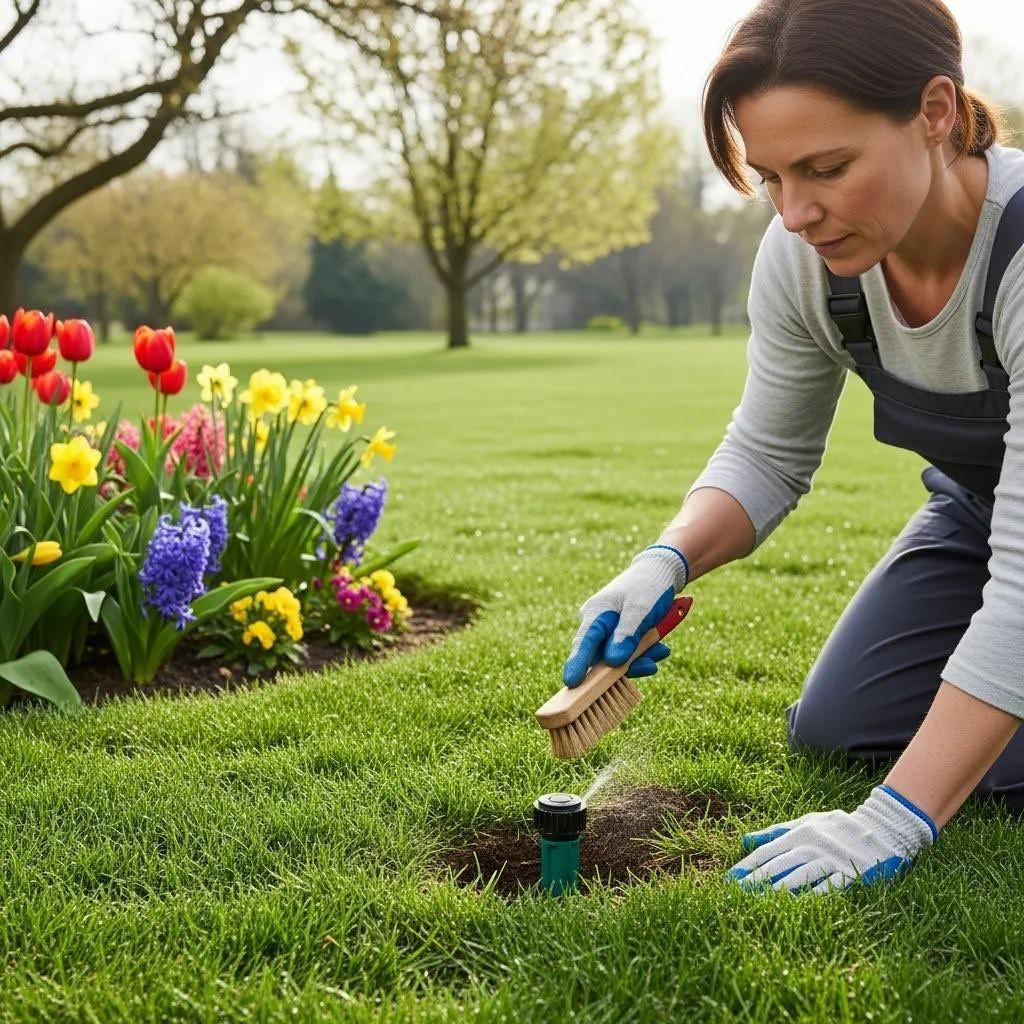
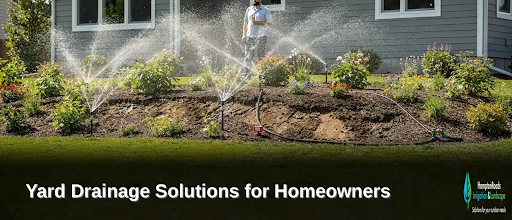
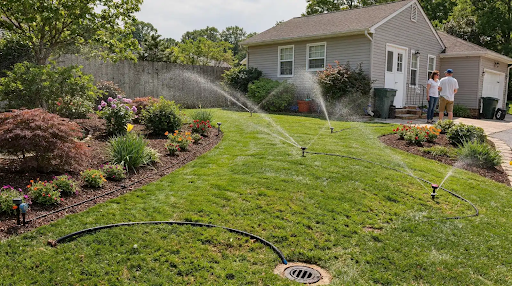
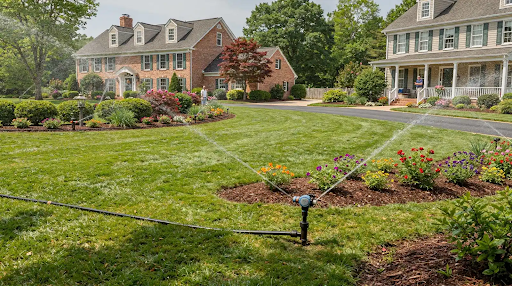
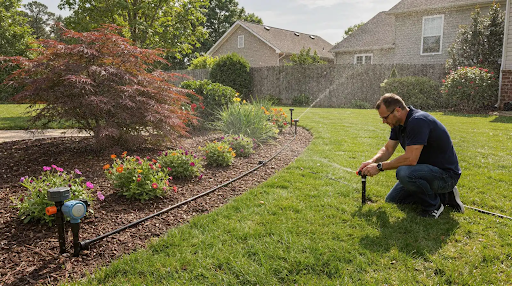
In spring and summer, clear debris from heads, remove clogs, and make sure spray patterns provide even coverage. Test run each zone, check for low or high pressure, and adjust head heights and angles to prevent overspray. Small, regular cleanings reduce water waste and keep your landscape consistently healthy.
Fall and winter: preparing and protecting your system
Before temperatures drop, drain the system or use an air blowout to remove standing water. Insulate exposed valves and pipes and install covers on above-ground heads where needed. A proper shutdown helps avoid costly freeze damage and gives you a smooth start-up in spring.
How can you troubleshoot common sprinkler problems in Yorktown?
Learning a few basic checks can save time and money before calling a technician.
Find and fix leaks in irrigation zones
Leaks show up as soggy spots, unexpected puddles, or a sudden rise in your water bill. Walk each zone while it runs to spot wet areas or low pressure. Use a water meter to confirm unusual usage. Many leaks are repaired by replacing a fitting or a length of pipe; small fixes prevent bigger damage.
New detection tools are helping professionals find leaks faster and with less digging.
Water Leak Detection for Irrigation Systems
This study describes a fast-response leak detection approach that combines mathematical methods and image-processing techniques to spot leaks quickly and accurately.
Detection of water leakage in drip irrigation systems using infrared technique in smart agricultural robots, L Türkler, 2023
Repairing clogged or malfunctioning heads and valves
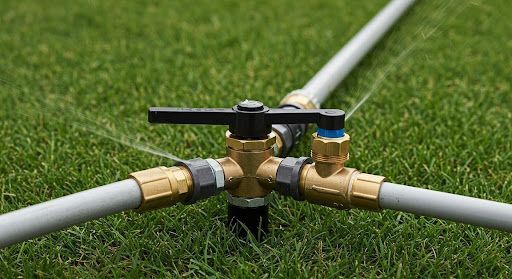
Clogged heads, broken nozzles, or sticky valves are common. Often a quick brushing or nozzle swap restores full spray. Valves that don’t open or close cleanly may need adjustment or replacement. Catching these problems during routine checks keeps zones running as intended.
What does a professional sprinkler maintenance plan offer Yorktown homeowners?
A maintenance plan gives you scheduled care and faster fixes when things go wrong.
What local system care plans include
Hampton Roads Irrigation and Landscape offers
covering scheduled visits, winterization, and repairs. These plans keep systems tuned year-round and pair local climate know-how with hands-on service, so you don’t have to worry about seasonal changes or unexpected failures.
How scheduled service reduces water use and repair bills
Regular professional tune-ups catch small problems before they become big expenses and improve water efficiency. Fixing misaligned heads, replacing worn parts, and calibrating controllers all add up to lower water bills and fewer emergency repairs over time.
How can smart irrigation tech improve maintenance and water savings?
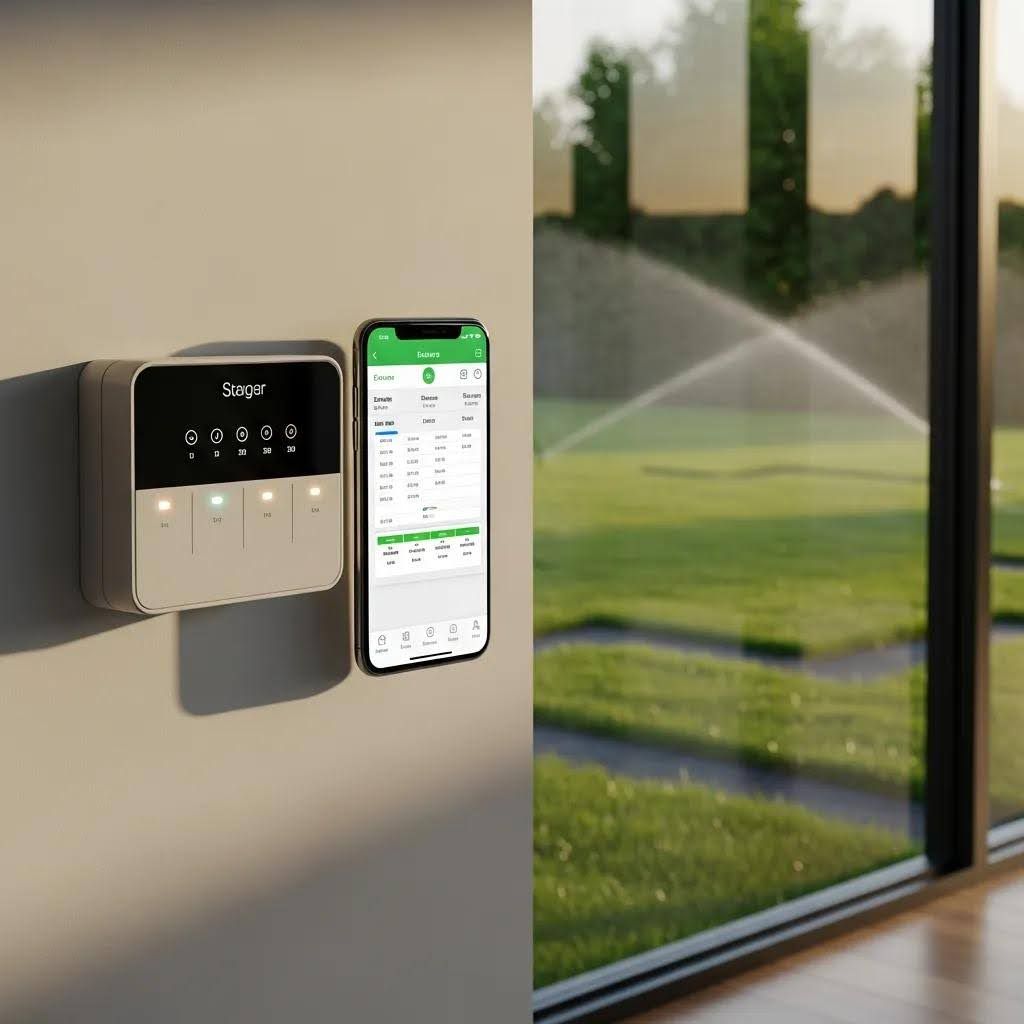
Pairing automatic services with smart controllers
Smart controllers connect to weather data and adjust schedules automatically, reducing unnecessary watering. Integrating a smart controller with your existing system simplifies upkeep and helps the lawn get only what it needs.
Multiple studies show meaningful water savings when smart devices are used.
Rain Sensors & Smart Controllers for Water Savings
Research found that reducing schedules and adding rain sensors cut irrigation by roughly 36–53%, with similar savings achieved by smart controllers that adjust based on conditions.
Water conservation potential of smart irrigation controllers on St.
Augustinegrass, MD Dukes, 2009
Practical water-conservation tips using advanced systems
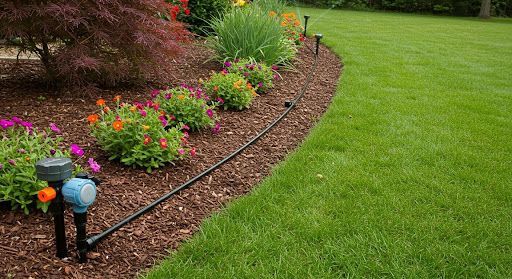
Moisture sensors and weather-based controllers prevent overwatering by measuring soil conditions and adjusting run times. Combine smart tech with proper zoning and matched nozzles to maximize savings while keeping turf healthy.
Controlled studies consistently report substantial reductions in residential irrigation when smart controllers are used.
Smart Irrigation Controllers for Residential Water Savings
Over the past decade, smart controllers have become more common in homes and light-commercial sites. Research with careful experimental design shows these devices can reduce irrigation water use by 40% to more than 70% in many cases.
Water conservation potential of landscape irrigation smart controllers, MD Dukes, 2012
What should you expect to pay—and what’s the ROI—on sprinkler maintenance in Yorktown?
Knowing the costs and benefits helps homeowners choose the right approach for their needs.
DIY maintenance versus hiring a pro
DIY work can save money on simple tasks, but it doesn’t replace a professional’s experience. Missed problems or improper repairs can lead to higher costs later. Professional service brings the right tools and know-how to keep systems efficient and reliable.
Long-term savings from regular care and winterization
Routine maintenance and a proper winter shutdown reduce the chance of major repairs and extend equipment life. Over time, the savings in water and avoided replacements usually outweigh the cost of a maintenance plan, making professional care a smart investment for many homeowners.
To learn more about who we are and the services we provide, please
learn more about Hampton Roads Irrigation
| Maintenance Type | Frequency | Benefits |
|---|---|---|
| Monthly Checks | Peak Season | Keeps system tuned and spots issues early |
| Quarterly Checks | Off-Peak | Prevents small problems from growing into big repairs |
| Annual Inspections | Yearly | Full system review to extend lifespan and reliability |
In short, consistent maintenance keeps your sprinkler system efficient and helps protect your landscape investment. Whether you handle simple tasks yourself or enroll in a professional plan, a little attention each season prevents headaches and saves money over time.
Frequently Asked Questions
What are the signs that my sprinkler system needs maintenance?
Look for uneven coverage (dry patches or pooled water), visible leaks, low water pressure, or an unexplained jump in your water bill. Any of these signs means it’s time for a checkup—early fixes are usually inexpensive.
How can I winterize my sprinkler system effectively?
Turn off the supply, drain the lines or use an air compressor to blow them out, and insulate exposed valves and above-ground components. Finish with a quick inspection to identify any damage before freezing weather arrives.
Are there eco-friendly options for lawn sprinkler systems?
Yes. Drip systems, matched nozzles, native plantings, rain sensors, and smart controllers all cut water use. Combining these strategies with good scheduling makes your landscape more sustainable.
What should I do if my sprinkler system is not turning on?
First, check the controller’s power and settings, confirm the main valve is open, and inspect for visible damage. If those steps don’t help, call a technician to diagnose electrical or valve issues.
How can I improve the efficiency of my existing sprinkler system?
Regularly clean and align heads, fix leaks, zone your system by plant type, and consider a smart controller or moisture sensors. Small adjustments—like correcting spray overlap—often yield big water savings.
What are the benefits of using smart irrigation technologies?
Smart devices reduce unnecessary watering by responding to weather and soil conditions, provide alerts and remote control, and typically cut water use significantly. They make maintenance easier and help keep your landscape healthy with less effort.
Conclusion
A well-maintained sprinkler system makes a noticeable difference in yard health, water use, and maintenance costs. Follow these seasonal checks, consider smart upgrades, and weigh a professional care plan if you prefer hands-off upkeep. Small, regular steps will keep your Yorktown landscape looking its best—year after year.