Yorktown Sprinkler Repair: A Practical Guide to Reliable, Efficient Irrigation
Keeping your irrigation system running well matters in Yorktown. This guide walks you through the most common sprinkler problems, how repairs are typically done, and what routine maintenance looks like. You’ll learn to spot leaks and valve trouble, when a fix is a DIY job and when to call a pro, and what to budget for repairs. We cover drip-system troubleshooting, cost ranges, and why a local company like Hampton Roads Irrigation and Landscape can make those repairs easier and longer-lasting.
Common Sprinkler System Issues You’ll See in Yorktown
Sprinkler systems around Yorktown commonly show a few recurring problems that reduce performance. Knowing what to look for—leaks, faulty valves, or broken heads—lets you stop small issues before they become big, costly repairs.
How to Spot Valve Problems and Early Leak Signs
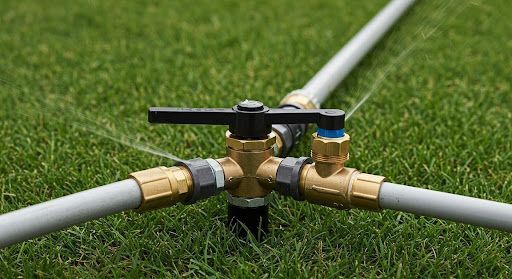
Valve trouble often shows up as standing water near the valve, zones that won’t turn off, or zones with weak, inconsistent spray. Look for wet patches in the yard or a sudden spike in your water bill. Inspect valves for visible cracks, corrosion, or loose wiring on electrically controlled valves. Simple, regular checks help you catch problems early.
Why Sprinkler Heads Fail and How to Prevent It
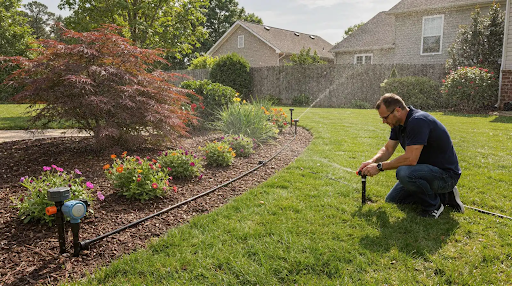
Sprinkler heads clog, break, or get knocked out of alignment from debris, mower damage, or poor installation. Clean heads and filters regularly, keep heads tucked clear of lawn equipment, and confirm they’re aimed correctly to avoid dry spots or overwatering. Seasonal tune-ups cut down on repeat failures.
Using more advanced diagnostic methods can speed up repairs and lower long-term costs by pinpointing faults quickly.
Sprinkler System Fault Diagnosis for Efficient Irrigation
ABSTRACT: Traditional fault diagnosis for agricultural sprinkler machinery is often slow and not very accurate. This study develops a machine-vision (MV) approach and builds a fault-diagnosis model using an improved convolutional neural network. Tests show strong results: on the Iris dataset the algorithm reached 95.13% accuracy (training accuracy 0.95) with a recall of 89.7%, and on a mechanical fault dataset the model achieved up to 98.45% accuracy. These results suggest the MV-based model improves both accuracy and speed for diagnosing irrigation equipment faults.
Fault diagnosis of agricultural sprinkler irrigation machinery equipment based on machine vision, 2025
How to Repair a Sprinkler System Effectively in Yorktown
Repair work is easier when you follow a methodical process. Homeowners can handle small fixes, but complex leaks, electrical faults, or buried pipe work are best left to professionals with the right tools and experience.
Step-by-Step: Replacing a Sprinkler Valve in Yorktown
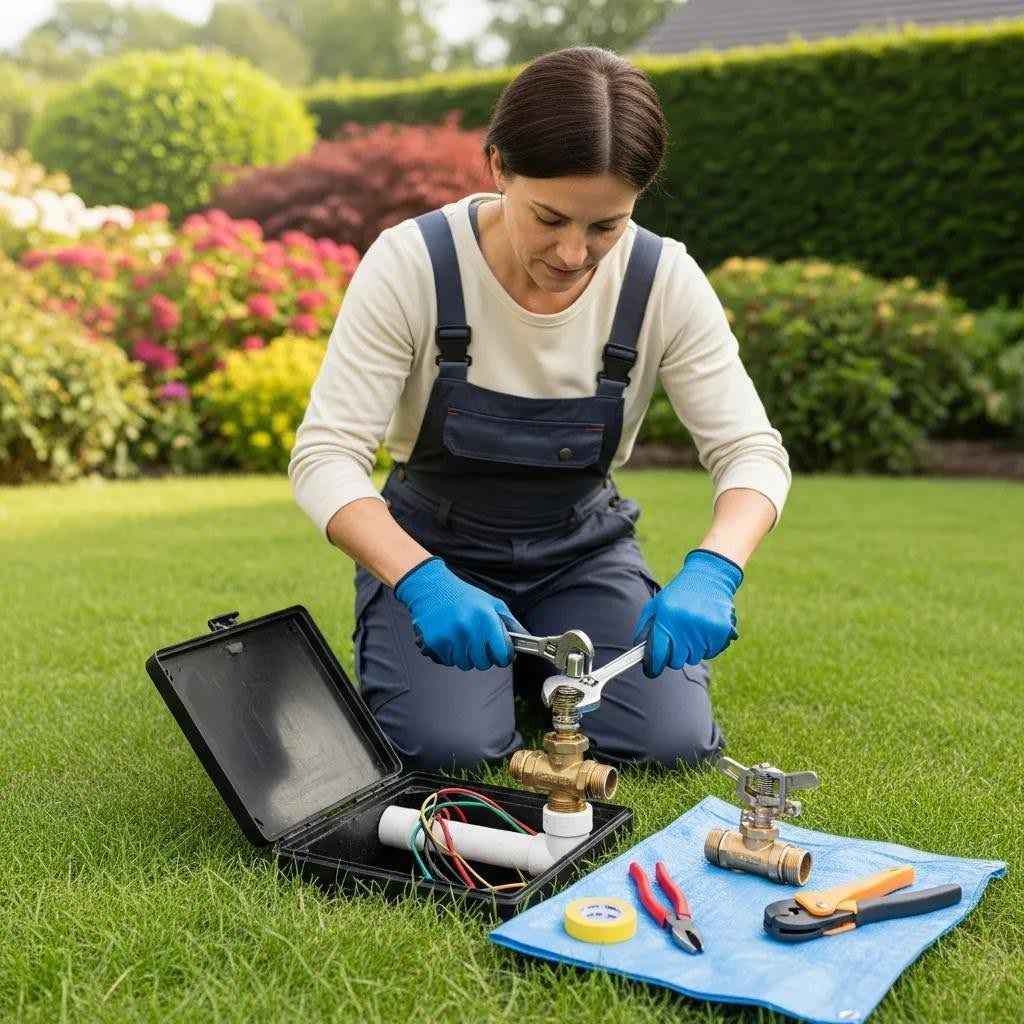
Valve replacement typically follows these steps:
- Turn off the water supply: Shut off the main line to the irrigation system to avoid flooding.
- Remove the old valve: Disconnect piping and wiring, noting how everything was attached for reassembly.
- Install the new valve: Fit the replacement valve, secure connections, and reconnect wiring if needed.
- Test the system: Restore water and run the zone to check for leaks and correct operation.
Most straightforward valve swaps take a few hours, depending on access and your comfort level with basic plumbing tasks.
When to Call a Professional for Lawn Irrigation Repairs
Call a pro for major leaks, buried-pipe replacement, complex electrical/controller problems, or when multiple zones fail. Professionals bring diagnostic gear, guaranteed repairs, and experience that prevents repeat visits—worth it for larger or recurring issues.
Best Practices for Irrigation Maintenance in Virginia
Routine maintenance keeps systems efficient and reduces water waste. Follow a simple schedule and you’ll extend equipment life and avoid seasonal surprises.
How Often Should You Service Your Sprinkler System?
Service your system at least twice a year—once in spring before the active season and again in fall for winter prep. Each visit should include a leak check, head alignment, pressure check, and a functional test of zones. Seasonal tune-ups catch small problems early.
What’s Included in a Preventative System Care Plan?
A good preventative plan usually covers:
- Regular inspections: Scheduled visits to evaluate system condition.
- Adjustments: Reaiming heads and setting proper run times.
- Repairs: Minor fixes done during visits to prevent escalation.
- Winterization: Blowing out lines and protecting components from freeze damage.
Following a care plan prolongs system life, reduces emergency repairs, and often lowers your water bill.
Research on irrigation asset management shows that a planned maintenance approach helps balance cost and service level for long-term reliability.
Optimal Irrigation System Maintenance Strategies & Costs
This paper explores what “optimal” maintenance means for irrigation systems, comparing different maintenance definitions and how systems deteriorate under varying input levels. It frames maintenance as a service—covering arranging, providing, paying for, and using the service—and emphasizes maintaining a defined level of service. The authors propose a contingency matrix that outlines basic maintenance strategies across different cost and risk levels.
Optimal maintenance in irrigation, 2003
Troubleshooting Yorktown Drip Irrigation Systems
Drip systems are water-efficient but sensitive to clogging and pressure issues. A few regular checks keep them delivering water where plants need it most.
Common Drip Irrigation Problems and Simple Fixes
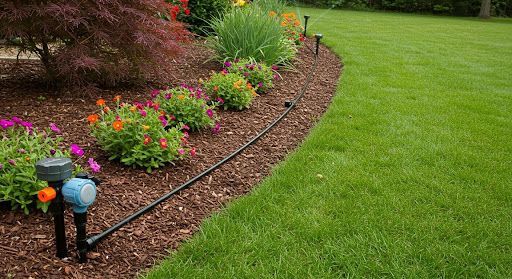
Typical drip problems include clogged emitters, uneven flow, and pressure imbalances. Clean or replace clogged emitters, check filters and pressure regulators, and confirm tubing layout matches plant needs. Proper design and basic water treatment minimize recurring clogging.
Managing emitter clogging through appropriate water treatment and system design is key to reliable drip irrigation.
Drip Irrigation Clogging: Causes, Control, and Water Treatment
Reliable drip irrigation depends on treating irrigation water to control emitter clogging. This review identifies the main physical, chemical, and biological causes of clogging and summarizes control measures. While many solutions exist, cost often limits their use. The most practical approach is matching treatment to water quality—physical filtration, chemical control, and regular maintenance—to keep emitters functioning reliably.
Water quality in drip/trickle irrigation: a review, 1991
Tools and Techniques for Troubleshooting a Drip System
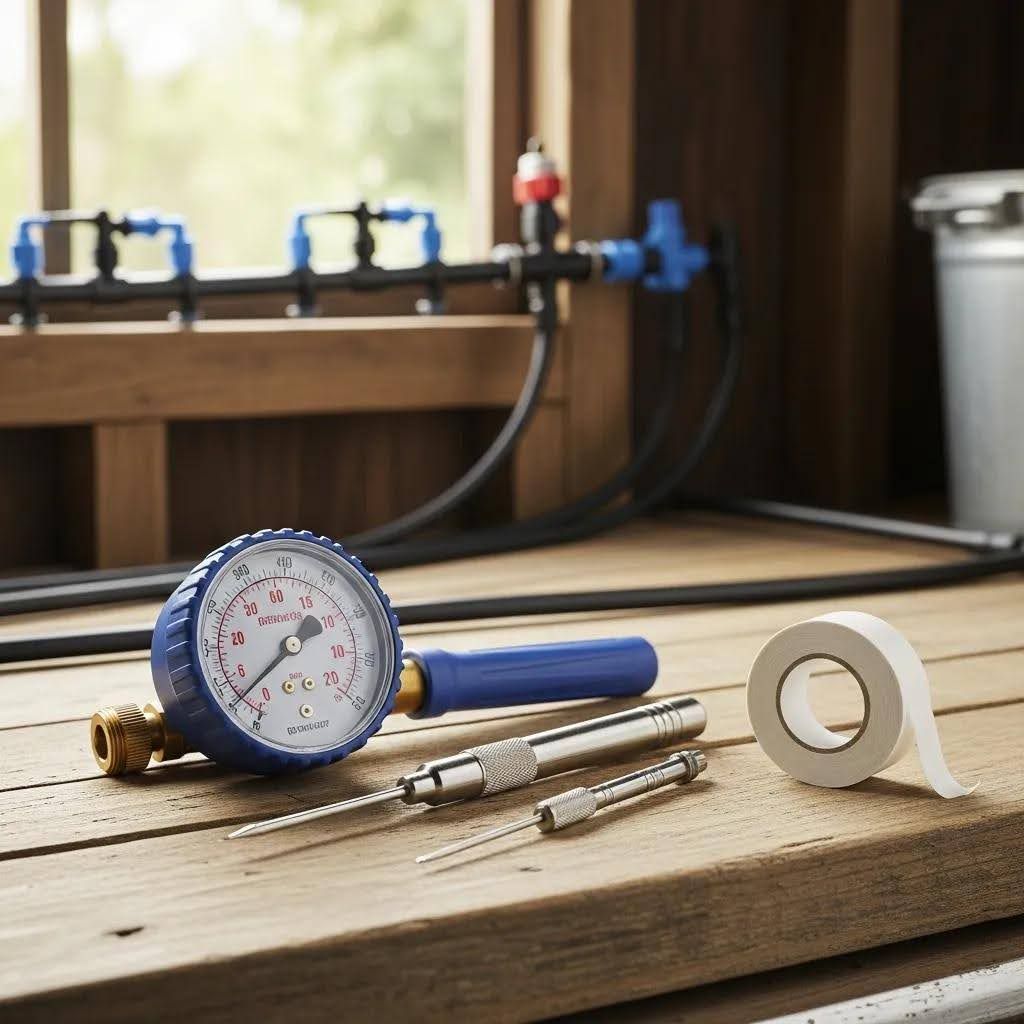
Keep these basic tools handy for drip troubleshooting:
- Pressure gauge: Confirms system pressure and detects drops or spikes.
- Emitter cleaning tool: Clears clogs without replacing parts unnecessarily.
- Teflon tape: Seals threaded fittings to stop leaks quickly.
These tools speed up diagnosis and help you keep the system running smoothly.
Cost Considerations for Sprinkler Repair and Maintenance in Yorktown
Costs vary by job complexity, parts, and whether a professional is required. Knowing typical ranges helps you plan and avoid surprises.
Typical Cost to Replace a Sprinkler Valve
Valve replacement in the Yorktown area generally runs between $100 and $250, parts and labor included. The final price depends on valve type and installation complexity.
Do Affordable Irrigation Maintenance Plans Exist?
Yes. Many local providers—including Hampton Roads Irrigation and Landscape—offer tiered maintenance plans that bundle inspections, minor repairs, and winterization. A plan can reduce emergency repairs and often pays for itself over time. Learn more about available options on our System Care Plans page.
Why Homeowners Choose Hampton Roads Irrigation and Landscape for Yorktown Repairs
Picking a local, experienced company matters. Hampton Roads Irrigation and Landscape focuses on dependable service, clear communication, and solutions tailored to our coastal climate.
Local Expertise and the Services We Provide
We install, repair, and maintain irrigation systems with attention to local soil, seasonal needs, and water restrictions. Our work covers residential sprinkler systems, drip installations, and scheduled maintenance so your landscape gets the right water at the right time.
What Customers Say About Our Service
Customer feedback often highlights our prompt responses, knowledgeable technicians, and workmanship that lasts. That trust is why many homeowners call us for both routine care and emergency repairs.
| Service Type | Cost Estimate | Service Description |
|---|---|---|
| Sprinkler Valve Replacement |
$100 - $250 | Replacement of faulty valves to restore system functionality. |
| System Maintenance Plan |
$200 - $400 annually |
Comprehensive care plan including inspections, adjustments, minor repairs, and winterization. |
| Drip Irrigation Installation |
$500 - $1,500 | Installation of efficient drip systems tailored to specific landscaping needs. |
This table gives a quick view of common services and ballpark costs to help you plan.
For specific questions or to schedule service, contact us anytime. Keeping your system tuned and well-maintained saves water and protects your landscape. Choosing a local expert like Hampton Roads Irrigation and Landscape delivers the support and know-how to keep everything working as it should.
Frequently Asked Questions
What are the signs that my sprinkler system needs repair?
Watch for uneven watering, dry patches, or spots that stay soggy. Visible leaks, zones that won’t turn on or off, and a sudden jump in your water bill are clear warning signs. Routine inspections help you catch these early.
How can I winterize my sprinkler system in Yorktown?
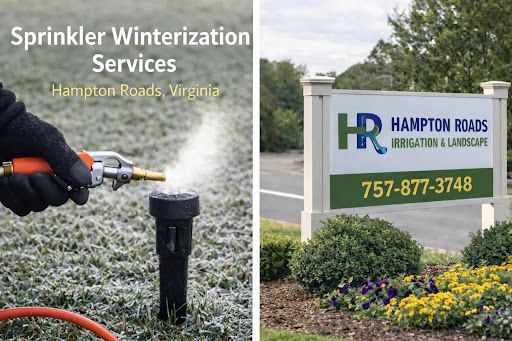
Start by shutting off the irrigation water supply. Use an air compressor to blow out water from the lines, then drain any low points. Protect exposed components with insulation. Proper winterization prevents freeze damage and speeds up spring start-up.
What tools do I need for basic sprinkler system maintenance?
Keep a pressure gauge, a shovel for access, and a wrench for fittings. Gloves, Teflon tape for threaded seals, and a simple emitter-cleaning tool are also useful for routine tasks.
How can I improve the efficiency of my irrigation system?
Align heads, remove obstructions, and check that zones run for appropriate durations. Consider a smart controller that adjusts schedules for weather, and use drip irrigation for beds to cut water waste.
What should I do if my sprinkler system is leaking?
Turn off the water supply, locate the leak source (pipe, head, or valve), and assess whether it’s a quick repair or a bigger job. Small breaks can sometimes be patched; larger or buried leaks usually need a professional repair.
Are there eco-friendly options for sprinkler systems?
Yes—install rain sensors or weather-based controllers, switch beds to drip systems, and choose native or drought-tolerant plants to reduce watering needs. These steps lower water use and improve landscape health.
Conclusion
Good irrigation upkeep keeps your Yorktown landscape healthy and reduces water waste. Learn to spot common problems, follow sensible maintenance steps, and call a trusted local pro when a job is beyond your comfort level. Hampton Roads Irrigation and Landscape is here to help with repairs, seasonal service, and reliable installations—contact us for personalized advice or to schedule a visit.