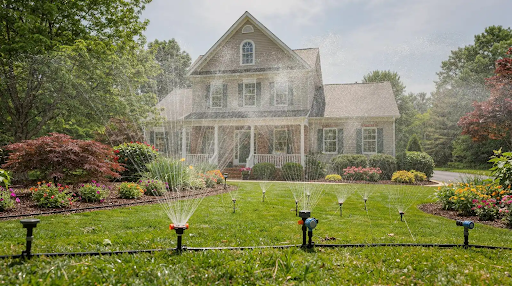
How to Choose the Right Sprinkler System for Your Lawn: A Practical Guide to Types, Costs, and Installation

appointment • February 11, 2026

Picking the right sprinkler system makes a big difference in how your lawn looks and how much water you use. With several systems to choose from, knowing how each one works, what installation involves, and what upkeep looks like will save you time and money. This guide walks you through the options so you can match the system to your yard’s size, soil, and watering goals. Too many homeowners overwater or rely on inefficient setups — the right system gives even coverage, cuts waste, and helps your grass stay thick and green. Read on for types, cost expectations, installation steps, maintenance tips, and the latest smart irrigation options.


What Are the Different Types of Lawn Sprinkler Systems?

For effective irrigation, it helps to know the main system types. The three primary choices are rotor, spray, and drip systems. Each works differently and suits different areas of a yard — so matching the system to the job is key.

How Do Rotor, Spray, and Drip Sprinkler Systems Compare?
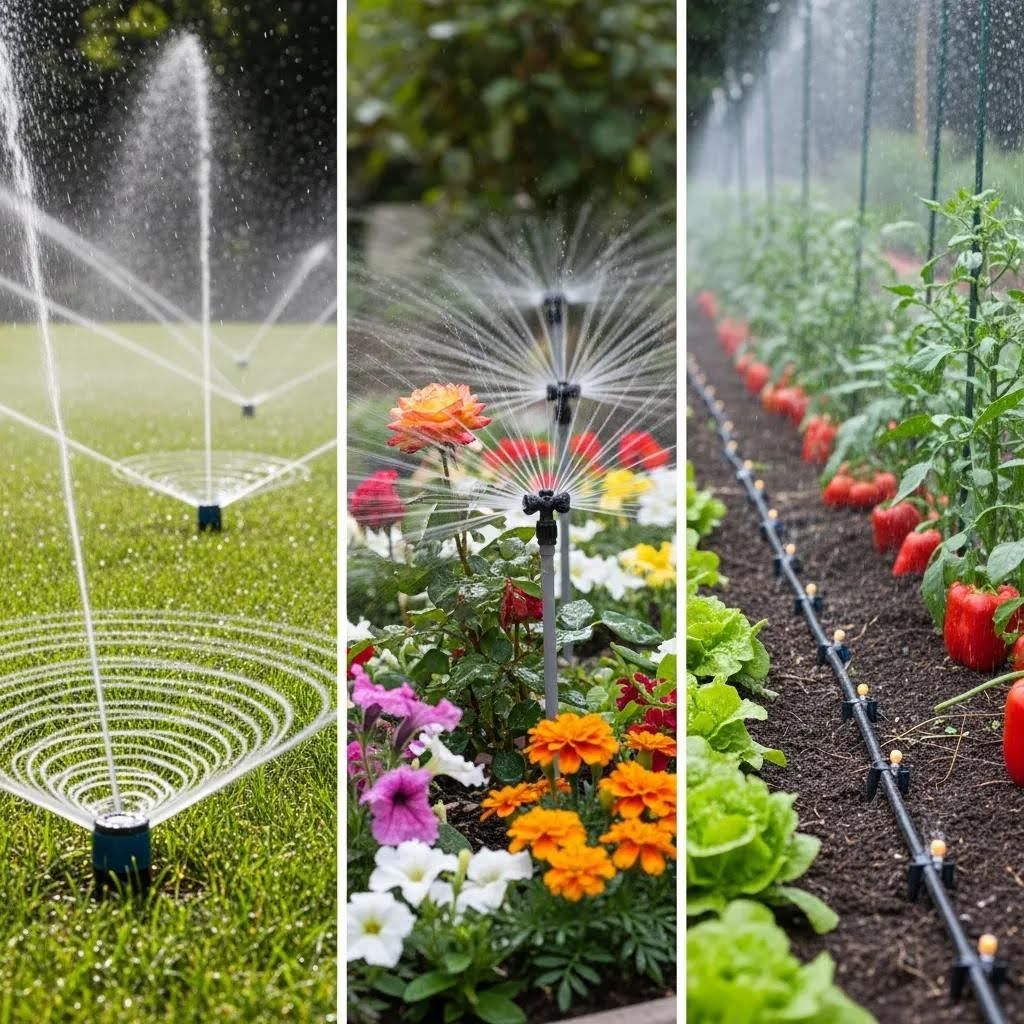

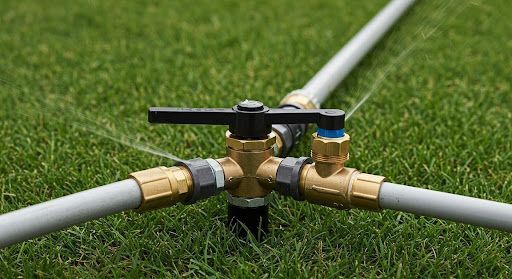
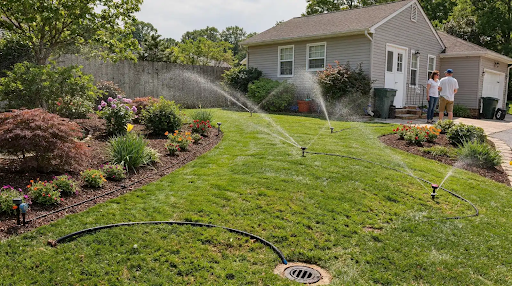
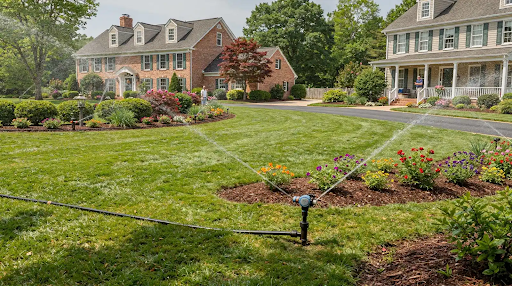
Rotor systems use rotating heads to cover large swaths of lawn and are a good fit for bigger yards. They typically run at higher pressure (about 30–50 psi) and give a more even distribution, which helps limit runoff. Spray systems put water out in a fixed pattern, making them better for small lawns, tight spaces, or garden patches; they also commonly operate around 30–50 psi and deliver quick, targeted coverage. Drip systems send water directly to the plant root zone through tubing and emitters, making them the most water-efficient choice for flower beds and vegetable gardens. Each system has trade-offs, so choose based on coverage needs and water efficiency.

Which Sprinkler System Type Is Best for Your Lawn Size and Soil Type?

Your lawn’s size and soil determine the best system. Large, well-drained lawns often do well with rotor systems because they efficiently cover wide areas. Smaller lawns or clay-heavy soils may be better suited to spray systems that deliver shorter, more controlled bursts. For beds and plantings that need precise watering, drip is ideal because it targets roots and reduces evaporation. Look at your yard’s layout, drainage, and plant needs before deciding.


What Factors Should You Consider When Selecting a Sprinkler System?

Choosing the right system means weighing several practical factors. Important considerations include your lawn’s square footage, soil composition, how much water is available, and any local rules on irrigation.

How Do Lawn Size, Soil Type, and Water Restrictions Affect Your Choice?

Lawn size drives coverage needs: larger areas usually need rotor heads or multiple zones, while smaller lawns can be served by spray heads. Soil matters because sandy soils drain fast and may need shorter, more frequent watering; clay holds moisture longer and risks runoff if watered too quickly. Also check local watering restrictions — many communities limit watering days or times, so pick a system and controller that can comply while keeping plants healthy.

What Are the Benefits of Automated and Smart Sprinkler Controllers?

Automated and smart controllers take much of the guesswork out of watering. They can run scheduled cycles, adapt to local weather, and — in many cases — read soil moisture so you don’t overwater. That saves water, lowers bills, and keeps turf and plantings healthier. For most homeowners, a smart controller is one of the easiest upgrades to improve efficiency.


How Much Does Sprinkler System Installation Cost and What Is the Process?

Knowing installation costs and the typical process helps you budget and plan. Costs vary with system type, yard size, and any extras like smart controllers or complicated landscaping.

What Are Typical Cost Estimates for Different Sprinkler Systems?

Installation costs depend on the system and site complexity. As a ballpark, homeowners often see these ranges:


Sprinkler System Type Average Cost Range Installation Complexity
Rotor System $2,000 - $4,000 Moderate to High
Spray System $2,000 - $4,000 Moderate
Drip System $1,000 - $3,000 Low to Moderate

These figures give you a starting point. Final costs depend on lawn size, the number of zones, trenching needs, and any smart controls or specialty heads you choose.

What Steps Are Involved in Professional Sprinkler System Installation?

A typical professional installation follows a clear sequence: we assess your yard and water source, design a layout with head placement and zoning, dig trenches and lay pipe, install heads and valves, tie the system into your water supply, then test and fine-tune coverage. Knowing the steps helps you prepare your yard and expectations for timing and disruption.


How Do You Maintain Your Sprinkler System for Optimal Performance?

Routine maintenance keeps your system efficient and extends its life. A few simple checks each season prevent bigger problems down the road.

What Are Essential Sprinkler System Maintenance Tips?

To keep your system working well, follow these basic practices:

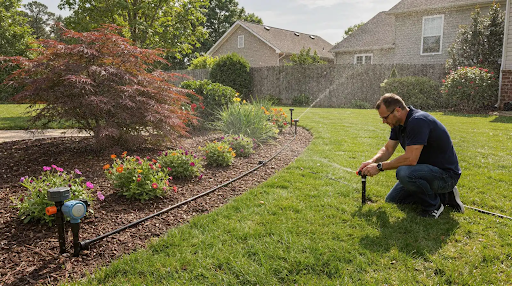
  • Regular inspections: Look for leaks, clogs, misaligned or broken heads, and unusual wet spots at least once a month.
  • Seasonal adjustments: Change run times and schedules with the seasons and after rainfall to avoid overwatering.
  • Winterization: Before freezing weather, drain or blow out lines and protect above-ground components to prevent freeze damage.

Small, regular steps like these reduce repairs and help your system run efficiently year after year.

How Can System Care Plans Help Extend Your Sprinkler System’s Life?

A System Care Plan gives you scheduled inspections, routine tune-ups, and priority repairs so minor issues don’t turn into costly failures. Many customers tell us these plans keep systems reliable and lower long-term repair costs — especially in our coastal climate where salt, storms, and seasonal changes can add wear.


What Are the Latest Trends in Smart Irrigation Technologies?
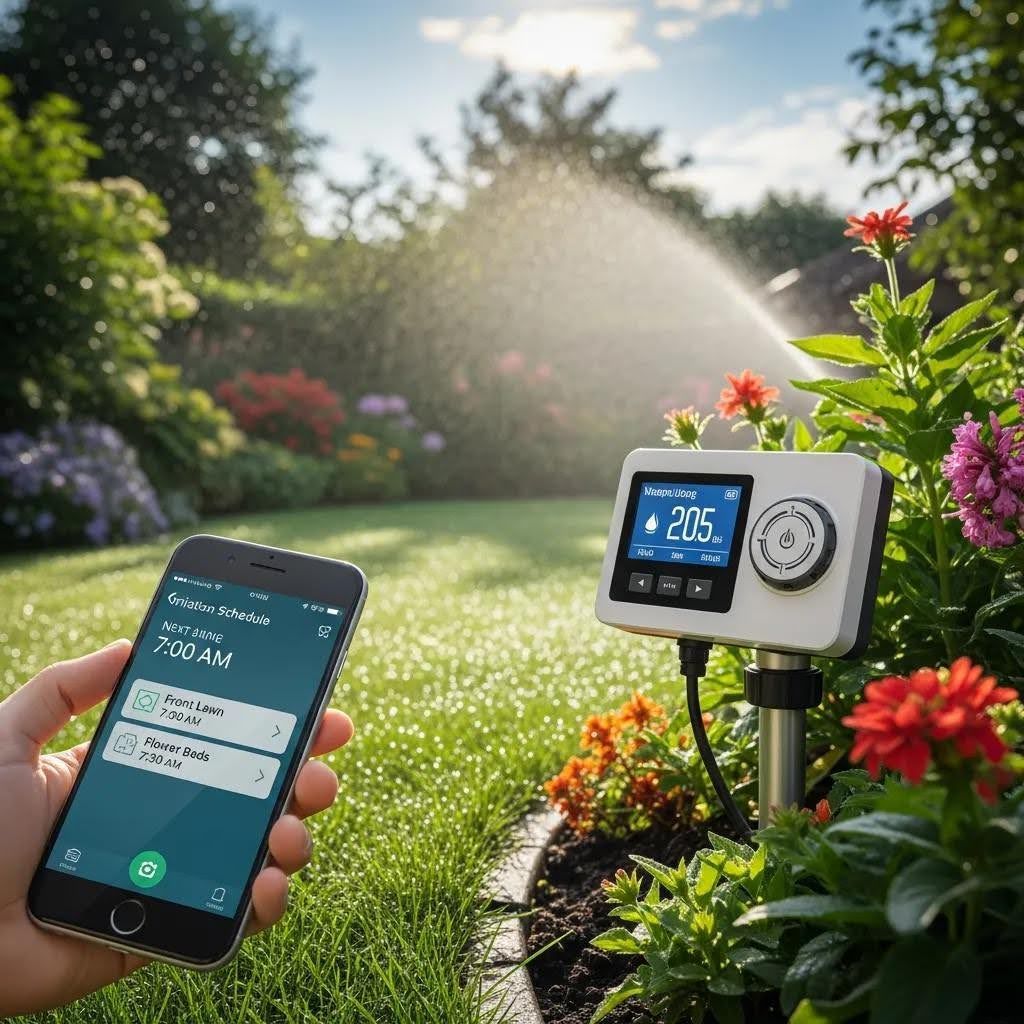

Irrigation is getting smarter every year. New controllers and sensors give you more control with less water use, and many systems now integrate weather forecasts and soil data automatically.

How Do Smart Controllers Improve Water Efficiency and Lawn Health?

Smart controllers use weather and soil information to fine-tune watering schedules, cutting unnecessary run time after rain or on cool days. That reduces water waste, can lower bills, and helps lawns and plantings avoid stress from over- or under-watering. For most homeowners, smart controllers pay back through water savings and healthier turf.

What Water-Efficient Irrigation Solutions Are Recommended for Hampton Roads?

In Hampton Roads, where seasonal rain and coastal conditions influence plant health, we recommend combining drip irrigation for beds with efficient heads for turf and a smart controller to coordinate schedules. Those choices reduce runoff and keep landscapes thriving while conserving local water resources.


How Can Hampton Roads Irrigation and Landscape Assist You in Choosing and Installing the Right Sprinkler System?

Hampton Roads Irrigation and Landscape is focused on practical, site-specific irrigation solutions for homeowners across the Hampton Roads, Virginia area. We design, install, and maintain systems sized to each property so your landscape gets the right amount of water without waste.

What Customized Sprinkler System Services Are Offered Locally?

We provide design consultations, professional installation, and ongoing maintenance plans tailored to your yard. Our team helps you pick the correct system and components, lays out efficient zones, and walks you through operation and simple seasonal care.

How Do Customer Reviews Reflect Our Commitment to Quality and Care?

Customers often mention our attention to detail, quick response times, and steady results — greener lawns with less water and fewer headaches. Read our local client feedback to see how our service performs in real yards.

To learn more, consider reading some of our customer reviews.


Frequently Asked Questions

What is the best time of year to install a sprinkler system?

Spring and fall are the easiest times to install. The weather is mild, which helps crews work efficiently, and spring installs get your lawn ready for the growing season while fall installs let you correct watering before winter. Scheduling outside peak demand can also shorten wait times.

How can I determine the right water pressure for my sprinkler system?

Use a pressure gauge on an outdoor faucet to check supply pressure; most systems perform well between 30 and 50 psi. Low pressure limits coverage, and very high pressure can cause misting and waste. If your pressure is outside that range, a professional can recommend regulators or alternate head types.

What are the signs that my sprinkler system needs repairs?

Look for uneven wetting, dry patches, constantly soggy areas, broken or misaligned heads, visible leaks, or unusually high water bills. Any of these signs merit inspection so small fixes don’t become larger problems.

Can I install a sprinkler system myself, or should I hire a professional?

DIY installs are possible for simple layouts, but hiring a pro is recommended for reliable coverage, proper zoning, and compliance with local codes. Professionals can design an efficient system, avoid common mistakes, and save you time and potential rework.

What maintenance tasks should I perform seasonally on my sprinkler system?

Seasonal tasks include checking for leaks and damaged heads, adjusting head alignment and run times for seasonal needs, cleaning filters and emitters, and winterizing (draining or blowing out lines) before freezes. Regular checks keep systems efficient and prevent costly repairs.

Are there eco-friendly options for lawn irrigation?

Yes. Drip irrigation, smart controllers, rain sensors, and drought-tolerant landscaping (xeriscaping) all reduce water use. These approaches conserve resources and still support attractive, healthy landscapes.


Conclusion

Choosing the right sprinkler system balances coverage, soil and plant needs, local rules, and your budget. With the right design, a smart controller, and routine care — or help from our team — you can enjoy a healthier lawn with less water waste. Ready to get started? Contact us and we’ll help you find the right solution for your Hampton Roads yard.
By appointment February 11, 2026
A healthy Yorktown lawn starts with a dependable sprinkler system. In this guide we walk you through the maintenance schedule, seasonal tasks, simple troubleshooting steps, and the advantages of a professional care plan. Follow these practical tips to boost efficiency, avoid costly repairs, and stretch the life of your irrigation system. We’ll also cover how smart controllers and sensors can help you save water and what to expect cost-wise for routine service. How often should Yorktown homeowners service their sprinkler system? Routine checks keep your system running efficiently. How often you inspect and tune your system affects water use, plant health, and equipment life. Recommended schedule for reliable irrigation performance During the active growing season—usually early spring through late fall—plan monthly spot checks: clean and realign heads, look for clogs, and confirm proper pressure. In slower months, inspect the system every three months to catch small issues before they grow. Once a year, schedule a thorough inspection to test valves, controllers, and the full zone operation. Seasonal adjustments for Virginia’s weather patterns Virginia weather changes throughout the year, so adjust maintenance and watering accordingly. Summer storms may cut back watering needs, while freezing winter temperatures make winterization essential. Before the first hard freeze, drain or blow out lines and protect exposed piping to prevent freeze damage. Come spring, check for winter wear and get the system ready for the season. What seasonal maintenance should Yorktown residents perform? A few seasonal tasks keep a sprinkler system reliable and efficient. Spring and summer: inspection, cleaning, and tuning
By appointment February 11, 2026
Keeping your sprinkler system in good shape protects your yard and your wallet. Spotting problems early cuts down on wasted water, prevents landscape damage, and avoids surprise repair bills. This guide walks you through the common warning signs, which problems need fast attention, the value of routine maintenance, what repair work typically costs, and basic troubleshooting you can try at home. Read on so a small fix today doesn’t turn into a big job tomorrow. What Are the Most Common Signs Your Sprinkler System Needs Repair? Knowing what to watch for makes it easy to catch issues before they get worse. The most common symptoms are uneven coverage, standing water, and sprinkler heads that don’t work right. Checking your system regularly helps you keep grass and plants properly watered and avoids bigger problems down the line. How to Identify Sprinkler Valve and Head Malfunctions
By appointment February 11, 2026
Keeping your irrigation system running well matters in Yorktown. This guide walks you through the most common sprinkler problems, how repairs are typically done, and what routine maintenance looks like. You’ll learn to spot leaks and valve trouble, when a fix is a DIY job and when to call a pro, and what to budget for repairs. We cover drip-system troubleshooting, cost ranges, and why a local company like Hampton Roads Irrigation and Landscape can make those repairs easier and longer-lasting. Common Sprinkler System Issues You’ll See in Yorktown Sprinkler systems around Yorktown commonly show a few recurring problems that reduce performance. Knowing what to look for—leaks, faulty valves, or broken heads—lets you stop small issues before they become big, costly repairs. How to Spot Valve Problems and Early Leak Signs Valve trouble often shows up as standing water near the valve, zones that won’t turn off, or zones with weak, inconsistent spray. Look for wet patches in the yard or a sudden spike in your water bill. Inspect valves for visible cracks, corrosion, or loose wiring on electrically controlled valves. Simple, regular checks help you catch problems early. Why Sprinkler Heads Fail and How to Prevent It Sprinkler heads clog, break, or get knocked out of alignment from debris, mower damage, or poor installation. Clean heads and filters regularly, keep heads tucked clear of lawn equipment, and confirm they’re aimed correctly to avoid dry spots or overwatering. Seasonal tune-ups cut down on repeat failures. Using more advanced diagnostic methods can speed up repairs and lower long-term costs by pinpointing faults quickly. Sprinkler System Fault Diagnosis for Efficient Irrigation ABSTRACT: Traditional fault diagnosis for agricultural sprinkler machinery is often slow and not very accurate. This study develops a machine-vision (MV) approach and builds a fault-diagnosis model using an improved convolutional neural network. Tests show strong results: on the Iris dataset the algorithm reached 95.13% accuracy (training accuracy 0.95) with a recall of 89.7%, and on a mechanical fault dataset the model achieved up to 98.45% accuracy. These results suggest the MV-based model improves both accuracy and speed for diagnosing irrigation equipment faults. Fault diagnosis of agricultural sprinkler irrigation machinery equipment based on machine vision, 2025 How to Repair a Sprinkler System Effectively in Yorktown Repair work is easier when you follow a methodical process. Homeowners can handle small fixes, but complex leaks, electrical faults, or buried pipe work are best left to professionals with the right tools and experience.  Step-by-Step: Replacing a Sprinkler Valve in Yorktown
By appointment February 11, 2026
A healthy Yorktown lawn starts with the right sprinkler drainage. Proper drainage prevents standing water, protects roots, and helps your irrigation work as intended. Below you'll find practical tips on why drainage matters, common problems to watch for, and how to winterize your system the right way. We also cover when to call a pro and the benefits of using Hampton Roads Irrigation and Landscape , a local team homeowners trust. Sections include how drainage protects your yard, common issues and fixes, winterization steps, and where to get reliable service in the area. How Do Sprinkler Drainage Solutions Protect Your Yorktown Lawn? Good sprinkler drainage keeps excess water moving away from turf and planting beds so roots stay healthy and soil structure is preserved. In Yorktown, seasonal storms and occasional heavy rains make drainage especially important. When water drains properly, grass roots get oxygen, disease risk falls, and your lawn bounces back faster after wet weather. Understanding Sprinkler System Drainage and Its Importance Sprinkler system drainage describes how water leaves your irrigation zones — through drains, slopes, or dedicated lines. Without adequate drainage, water can pool and saturate soil, slowing growth and encouraging pests and fungal problems. Routine checks, correct installation, and periodic maintenance keep drainage working and protect your lawn through every season. What Are the Common Sprinkler Drainage Problems and How Can You Fix Them?
By appointment January 19, 2026
Winterizing your irrigation system is the single best step you can take to prevent freeze damage in Hampton Roads. Skip it and you risk broken pipes, ruined sprinkler heads, surprise leaks and expensive repairs. This guide breaks down the real — and often unseen — costs of not winterizing, the types of freeze damage that happen, and why professional winterization is usually the smart choice. Use this information to protect your landscape and avoid a costly spring cleanup. We’ll walk through what freezes can do to your system, how much repairs typically run, when to call a pro, how local weather affects your risk, and whether DIY winterization makes sense. By the end, you’ll know the practical steps to keep your irrigation working year after year. A clear, scheduled maintenance plan is one of the most effective ways to keep irrigation systems reliable and long-lived. Essential Irrigation System Maintenance & Preventive Plans This chapter explains different maintenance priorities and the range of maintenance plans used to improve hydraulic performance. Plans are designed around time, budget, and available equipment or staff. Common classifications include: (a) Essential Structural Maintenance Plan (ESM); (b) Normal Maintenance Plan; (c) Catch-Up Maintenance Plan; and (d) Preventive Maintenance Plan. Maintenance of Irrigation Systems, UC Chaube, 2023 What Types of Freeze Damage Can Occur Without Proper Irrigation Winterization? If you don’t winterize, freeze damage can affect many parts of your system — from underground pipes to aboveground components. Knowing the common failure modes helps you spot trouble early and understand why winterization is worth the investment. How Do Burst Irrigation Pipes Cause Water Leaks and Landscape Damage?
By appointment January 15, 2026
Expert Sprinkler Maintenance in Yorktown, VA — Complete Care from Local Pros A healthy, efficient sprinkler system makes a noticeable difference for any Yorktown homeowner. Routine care keeps your lawn watered properly, cuts down on wasted water, and prevents unexpected, expensive fixes. Below we walk through the most important maintenance services offered locally — from seasonal start-ups and winter shut‑downs to common repairs and ongoing care plans — so you can make confident choices about protecting your irrigation investment. What Are the Essential Sprinkler Maintenance Services in Yorktown? The basics of good sprinkler care are straightforward but crucial for long-term performance. Regular inspections, adjustments, and timely repairs keep your system running smoothly. Yorktown homeowners should prioritize these core services: Sprinkler Winterization : Draining the system and blowing out lines to prevent freeze damage during cold months. Sprinkler System Spring Activation : Recommissioning the system — checking for leaks, aligning spray patterns, and confirming every component is working for the growing season. Regular Inspections : Ongoing checks to catch small issues early so they don’t become costly repairs. A little preventive care goes a long way — it protects your equipment and keeps your landscape looking its best. How Does Sprinkler Winterization Protect Your System?
By appointment January 15, 2026
Why Your Sprinkler System Needs Professional Winterization in Hampton Roads: Protect Your Investment and Prevent Freeze Damage With cooler days on the way, Hampton Roads homeowners should plan ahead for sprinkler winterization. Professional winterization removes the guesswork—and the water—to avoid freeze damage that leads to expensive repairs and poor system performance. Below, we walk through the benefits, the typical winterization steps, cost drivers, and why a local team like Hampton Roads Irrigation & Landscape is the right choice to protect your irrigation investment. What Are the Key Benefits of Professional Sprinkler Winterization? Hiring a pro to winterize your sprinkler system delivers clear, practical advantages that save time and money while keeping your system healthy year after year. Prevents freeze damage : Proper winterization clears water from pipes and components so ice can’t form and crack your system. Saves on repair bills : Avoiding freeze-related breaks and replacements prevents often-costly emergency repairs. Extends system life : Regular winter care reduces wear and tear, so your sprinkler system runs better and lasts longer. Given these benefits, professional winterization is a smart, cost-effective step for homeowners across Hampton Roads. How Does Winterization Prevent Costly Freeze Damage and Repairs? Winterization works by removing water that would otherwise expand when frozen—often the root cause of cracked pipes and damaged fittings like backflow preventers. Left unchecked, that damage can lead to repair bills that are much higher than the winterization service itself. Professionals know how to clear the system safely, reducing the chance of hidden problems come spring. In What Ways Does Winterization Extend Sprinkler System Longevity and Performance? Beyond preventing immediate freeze failures, winterization helps maintain the overall condition of your system. When components are drained, insulated, and inspected, you reduce corrosion, valve issues, and unexpected leaks. That means fewer service calls and steadier performance when the growing season returns. How Is the Professional Sprinkler Winterization Process Performed?
By appointment January 15, 2026
Professional Sprinkler Winterization in Hampton Roads — How an Expert Shutdown Prevents Freeze Damage As temperatures turn colder, having your sprinkler system professionally winterized is one of the smartest steps a Hampton Roads homeowner can take. A proper shutdown protects your irrigation from freeze-related breaks and helps the system run longer and more reliably. Below, we walk through why professional shutdowns matter, the risks of DIY attempts, how our winterization process works, and the advantages of our SystemCare plans so you can decide with confidence. Freeze damage may not be common every year in our region, but when it happens the repairs can be expensive. Choosing a professional winterization service reduces that risk and gives you clarity on timing, cost, and what to expect during the shutdown. Why Is Professional Sprinkler Shutdown Crucial for Preventing Freeze Damage? Professional shutdowns remove water from the system and take steps to prevent ice from forming inside pipes, valves, and backflow devices. Left untreated, trapped water can freeze and expand, causing burst pipes, broken valves, and other costly problems that are avoidable with a proper winterization. What Risks Do DIY Winterization Methods Pose to Irrigation Systems? DIY winterization can leave pockets of water in the system, use the wrong pressure when blowing out lines, or miss components like backflow preventers. Without the right tools and experience, homeowners can accidentally cause damage or create liability issues if the system or property is harmed during the attempt. How Does Hampton Roads' Climate Impact Sprinkler Freeze Damage? Hampton Roads typically has mild winters, but late-season freezes or cold snaps in fall and spring can still catch systems off guard. Higher humidity and changing temperatures can encourage ice formation inside pipes, so even infrequent freezes justify a professional approach to winterization. What Is the Professional Sprinkler Winterization Process by Hampton Roads Irrigation & Landscape?
By appointment January 15, 2026
Cut Repair Costs with Proper Winterization Winterizing your irrigation system protects it from freeze damage and saves you money down the road. A proper winterization removes trapped water, shields key parts, and reduces the chance of costly spring repairs. Below we explain how winterization prevents freeze-related failures, what professional service typically costs in Hampton Roads, and why choosing a local team often delivers the best value. Whether you manage a home or a commercial property, a small preventative step now can prevent a big bill later. How does irrigation winterization prevent costly freeze damage?
By appointment December 23, 2025
Planning a paver patio in Hampton Roads starts with a realistic budget and a clear sense of local conditions that affect price. This 2025 cost guide gives straightforward, actionable numbers and decision checkpoints to help you plan. We explain per‑square‑foot ranges, sample totals for common patio sizes, and the main cost drivers—materials, labor, and site preparation—so you can compare options like concrete pavers, brick, natural stone, and permeable systems. Hampton Roads Irrigation & Landscape adds local know‑how, offering free estimates and practical insight into regional soils, high water tables, and building codes to keep your plan accurate. You’ll learn how excavation, drainage, and design complexity move the bottom line, what common add‑ons cost, and when hiring a pro is worth it. The article covers average costs, key factors, site‑prep implications, optional features and financing, city‑by‑city differences across Yorktown, Chesapeake, Virginia Beach, Suffolk and Williamsburg, and the value of working with local contractors. What Is the Average Cost of Paver Patio Installation in Hampton Roads, Virginia? Installed costs for paver patios in Hampton Roads vary with material and site conditions, but this guide gives a realistic installed range to help you budget. Installed prices bundle material, labor, and site preparation—each plays a meaningful role in the final price and the patio’s long‑term performance. Sample project totals (small, medium, large) show how per‑square‑foot ranges scale into overall budgets and why fixed mobilization and prep fees hit small projects harder. For pricing tailored to your yard—factoring local soil and permitting—contact Hampton Roads Irrigation & Landscape for a free on‑site estimate that accounts for high water tables and local code needs. Installed cost components usually appear as separate line items; comparing them side‑by‑side helps forecast a final project budget.