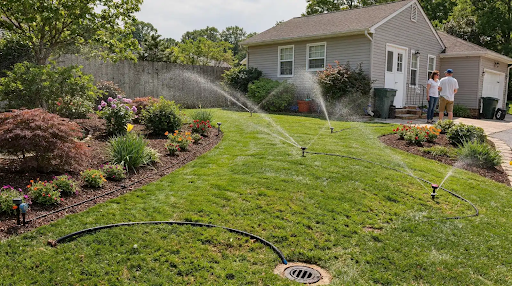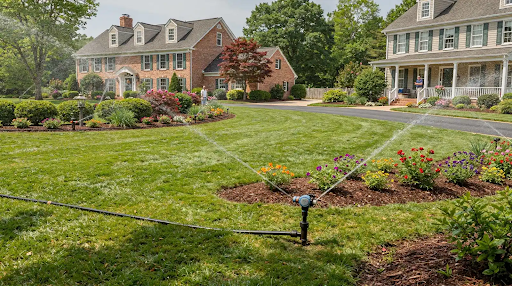
Why Irrigation Winterization Saves You Money

appointment • January 15, 2026

Cut Repair Costs with Proper Winterization

Winterizing your irrigation system protects it from freeze damage and saves you money down the road. A proper winterization removes trapped water, shields key parts, and reduces the chance of costly spring repairs. Below we explain how winterization prevents freeze-related failures, what professional service typically costs in Hampton Roads, and why choosing a local team often delivers the best value. Whether you manage a home or a commercial property, a small preventative step now can prevent a big bill later.


How does irrigation winterization prevent costly freeze damage?
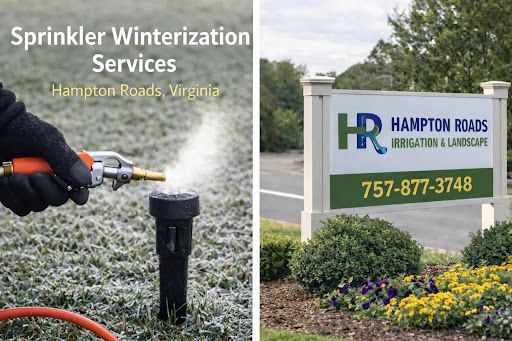
Winterization is a set of simple, targeted steps that keep water out of vulnerable pipes and components. Left in the lines, water freezes, expands, and can crack pipes or ruin valves and electronics. Technicians usually blow compressed air through the system to clear the lines and add insulation to exposed parts. Doing this ahead of the cold season protects your equipment and helps the system spring back to life when the weather warms.


What are the common winter damages to irrigation systems?

  • Cracked pipes: Frozen water expands and can fracture plastic or metal lines, leading to expensive repairs.
  • Damaged valves: Valves that freeze may become stuck or fail and often need replacement.
  • Controller malfunctions: Electronics and controllers exposed to cold can short out or stop working correctly.

Repairs for these problems often cost far more than routine winterization, so prevention is the smart, cost-effective choice.


How does winterization extend the lifespan of irrigation components?

Winterization reduces freeze-related stress on pipes, valves, and controllers, which means fewer breakdowns and longer service life. Systems that are winterized regularly tend to last longer and need fewer costly replacements — a practical saving that adds up over the years.


What are the cost savings of professional irrigation winterization services?

Hiring a professional to winterize your system is an upfront cost that often pays for itself. Proper service lowers the risk of major repairs, reduces downtime, and preserves the value of your irrigation investment.

That practical view lines up with broader findings about the economic benefits of steady, planned irrigation maintenance.

Economic benefits of sustained irrigation maintenance


Routine maintenance has often been secondary to operations, which has reduced asset value and missed opportunities for savings. Transferring operation and maintenance responsibility to local user groups has been shown to help restore value and establish more systematic, sustainable maintenance programs in transferred irrigation systems.


Irrigation and drainage systems maintenance: needs for research and action, 2003

How much does irrigation system winterization cost in Hampton Roads?

In the Hampton Roads area, professional winterization typically runs between $75 and $250, depending on system size and specific needs. Compared to the potential cost of repairing burst lines or replacing parts, that price is a sound investment in avoiding much larger bills.


Can winterization reduce repair and replacement expenses?

Yes. By stopping freeze damage before it happens, winterization lowers the chance you'll need expensive repairs or part replacements. Many customers find the small winterization fee is far less than the cost of fix‑ups they avoided — and it comes with the added benefit of peace of mind.


How is the irrigation winterization process performed?

The winterization process follows a few focused steps to make sure your system is ready for cold weather.


What are the key steps in winterizing an irrigation system?

  • Drain the system: Clear water from pipes and components, usually by blowing out the lines with compressed air.
  • Insulate exposed parts: Wrap and protect any above‑ground valves, backflow devices, and pipes.
  • Check for leaks: Find and fix existing leaks so they won’t become worse over winter.

These steps are the foundation of an effective winterization and can be done by trained professionals or by homeowners who are confident with the tools and procedure.


Can homeowners winterize their irrigation systems themselves?

Some homeowners will winterize their systems, but professionals bring experience and the right equipment to reduce risk. DIY mistakes — under‑pressurizing, incomplete blowouts, or missed components — can lead to costly repairs. If you’re unsure, contact a pro to get it done correctly.


What are the benefits of choosing local winterization services in Hampton Roads?

Local providers offer climate-aware service and faster response times, which matters when freeze windows are tight.


Why is local expertise important for irrigation winterization?

Local teams, such as Hampton Roads Irrigation and Landscape, know the region’s typical freeze patterns and common system setups. That local knowledge helps them protect systems more effectively and avoid missed details that out‑of‑area crews might overlook.


How do system care plans enhance winterization and savings?

System Care Plans bundle winterization with regular inspections and maintenance, which spreads cost over time and reduces emergency repairs. A plan keeps your system running efficiently year‑round and often delivers the best long‑term value.


How can you save money on irrigation maintenance through winterization?
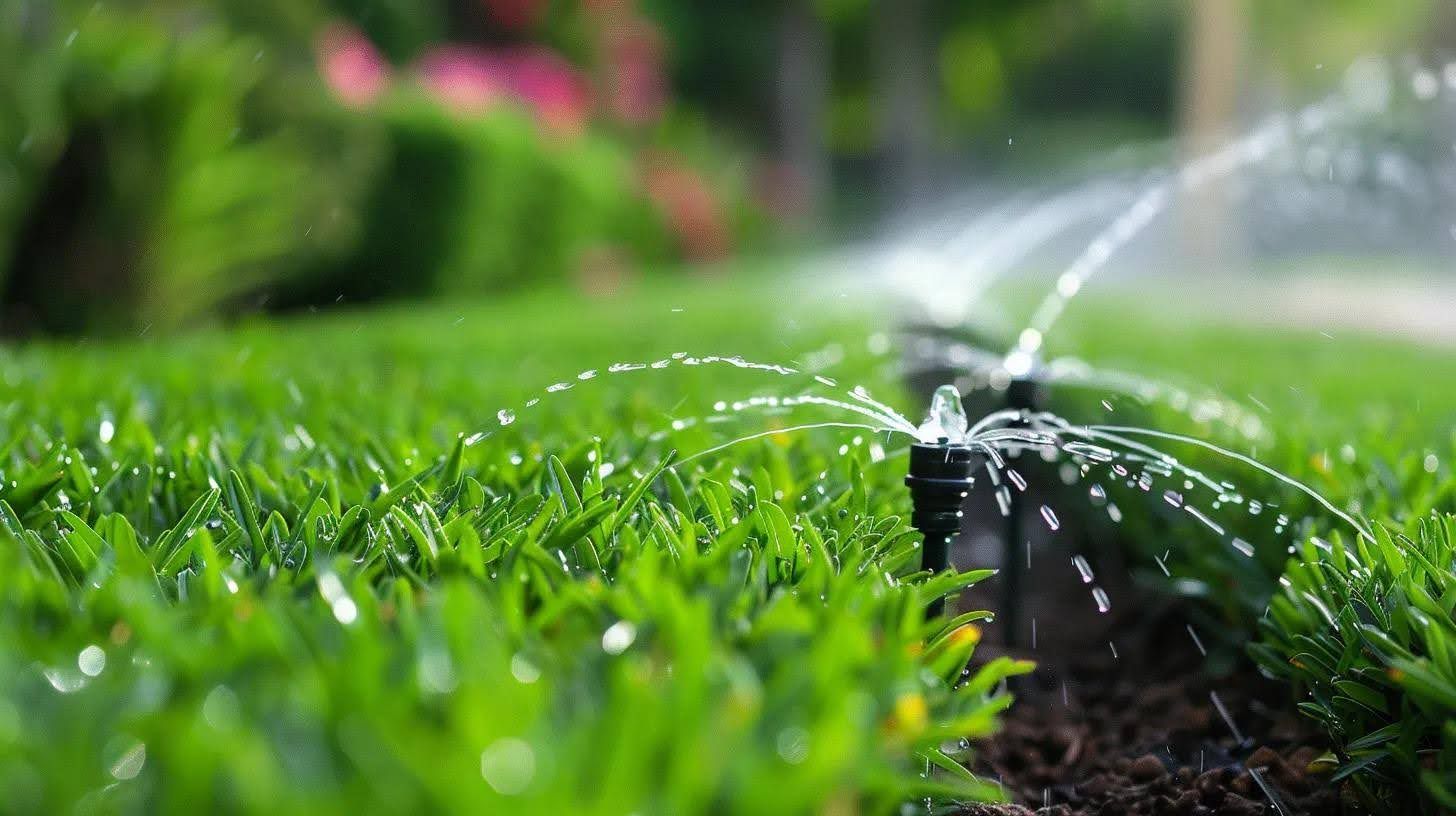

Winterization is a key preventative step that helps lower ongoing maintenance costs.


What long-term savings result from preventive winterization?

Regular winterization cuts repair bills, extends component life, and improves system efficiency — which can also reduce water waste and lower utility costs. Taken together, those savings add up over seasons and years.


How do customer experiences reflect cost benefits of winterization?

Many customers who schedule winterization report fewer spring repairs and a more reliable system. Testimonials often emphasize the relief of avoiding unexpected repair costs and the confidence that comes with professional care.


Service Cost Benefit
Professional Winterization $75 – $250 Stops freeze damage and lowers repair risk
System Care Plans Varies Ongoing inspections and long-term savings
DIY Winterization Minimal Possible cost savings but higher risk of mistakes

The table shows how professional winterization and care plans offer predictable protection compared with the uncertainty of DIY attempts — and how that protection translates into real savings.


Frequently Asked Questions


What is the best time to winterize an irrigation system?

Plan to winterize before the first hard freeze, usually in late fall. In Hampton Roads, that often means scheduling service in October or early November so you’re not racing the weather. Keep an eye on local forecasts and book early to secure your spot.


Are there any DIY tips for effective winterization?

If you choose to DIY, fully drain the system and blow out all lines, insulate exposed pipes and backflow devices, and repair any visible leaks first. Use the proper equipment and follow safety guidelines — otherwise consider calling a professional to avoid costly errors.


How often should I perform winterization on my irrigation system?

Winterize annually, every fall. Regular yearly care keeps components protected and helps the system perform well each spring. In colder areas or unusual weather years, you may want extra checks or earlier service.


What are the signs that my irrigation system needs winterization?

Look for standing water in lines after use, visible leaks, or components showing wear. If temperatures are dropping and you haven’t winterized recently, schedule service — waiting until after a freeze risks damage that’s avoidable.


Can winterization help with water conservation?

Yes. Preventing freeze damage reduces leaks and malfunctions that waste water. A well‑maintained system is more efficient during the growing season, helping lower water use and utility costs.


What should I do if I missed winterization before the freeze?

If you missed winterization, inspect the system as soon as temperatures rise for cracked pipes, stuck valves, or controller issues. Contact a professional for repairs if you find damage, and be sure to schedule winterization for the next fall to prevent repeat problems.


Conclusion

Winterizing your irrigation system is a small, practical investment that prevents major repair bills and extends the life of your equipment. Choosing professional winterization — especially from a local Hampton Roads team — gives you reliable protection and real long‑term savings. Ready to protect your system? Explore our winterization and care plan options to find the right fit for your property.
By appointment January 15, 2026
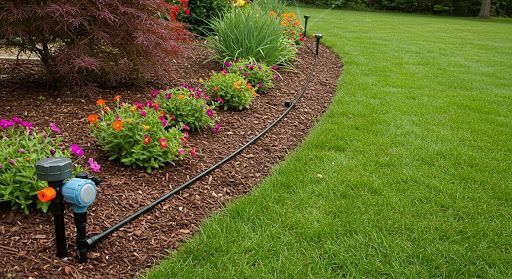
Expert Sprinkler Maintenance in Yorktown, VA — Complete Care from Local Pros A healthy, efficient sprinkler system makes a noticeable difference for any Yorktown homeowner. Routine care keeps your lawn watered properly, cuts down on wasted water, and prevents unexpected, expensive fixes. Below we walk through the most important maintenance services offered locally — from seasonal start-ups and winter shut‑downs to common repairs and ongoing care plans — so you can make confident choices about protecting your irrigation investment. What Are the Essential Sprinkler Maintenance Services in Yorktown? The basics of good sprinkler care are straightforward but crucial for long-term performance. Regular inspections, adjustments, and timely repairs keep your system running smoothly. Yorktown homeowners should prioritize these core services: Sprinkler Winterization : Draining the system and blowing out lines to prevent freeze damage during cold months. Sprinkler System Spring Activation : Recommissioning the system — checking for leaks, aligning spray patterns, and confirming every component is working for the growing season. Regular Inspections : Ongoing checks to catch small issues early so they don’t become costly repairs. A little preventive care goes a long way — it protects your equipment and keeps your landscape looking its best. How Does Sprinkler Winterization Protect Your System?
By appointment January 15, 2026
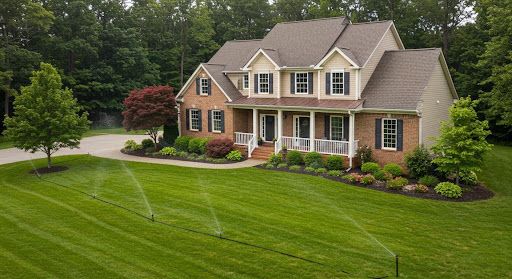
Why Your Sprinkler System Needs Professional Winterization in Hampton Roads: Protect Your Investment and Prevent Freeze Damage With cooler days on the way, Hampton Roads homeowners should plan ahead for sprinkler winterization. Professional winterization removes the guesswork—and the water—to avoid freeze damage that leads to expensive repairs and poor system performance. Below, we walk through the benefits, the typical winterization steps, cost drivers, and why a local team like Hampton Roads Irrigation & Landscape is the right choice to protect your irrigation investment. What Are the Key Benefits of Professional Sprinkler Winterization? Hiring a pro to winterize your sprinkler system delivers clear, practical advantages that save time and money while keeping your system healthy year after year. Prevents freeze damage : Proper winterization clears water from pipes and components so ice can’t form and crack your system. Saves on repair bills : Avoiding freeze-related breaks and replacements prevents often-costly emergency repairs. Extends system life : Regular winter care reduces wear and tear, so your sprinkler system runs better and lasts longer. Given these benefits, professional winterization is a smart, cost-effective step for homeowners across Hampton Roads. How Does Winterization Prevent Costly Freeze Damage and Repairs? Winterization works by removing water that would otherwise expand when frozen—often the root cause of cracked pipes and damaged fittings like backflow preventers. Left unchecked, that damage can lead to repair bills that are much higher than the winterization service itself. Professionals know how to clear the system safely, reducing the chance of hidden problems come spring. In What Ways Does Winterization Extend Sprinkler System Longevity and Performance? Beyond preventing immediate freeze failures, winterization helps maintain the overall condition of your system. When components are drained, insulated, and inspected, you reduce corrosion, valve issues, and unexpected leaks. That means fewer service calls and steadier performance when the growing season returns. How Is the Professional Sprinkler Winterization Process Performed?
By appointment January 15, 2026
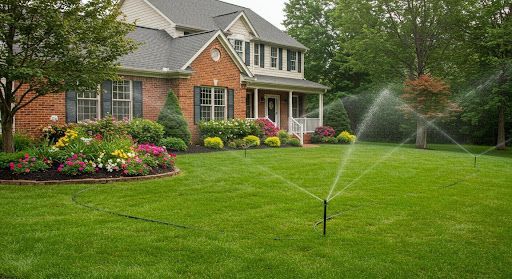
Professional Sprinkler Winterization in Hampton Roads — How an Expert Shutdown Prevents Freeze Damage As temperatures turn colder, having your sprinkler system professionally winterized is one of the smartest steps a Hampton Roads homeowner can take. A proper shutdown protects your irrigation from freeze-related breaks and helps the system run longer and more reliably. Below, we walk through why professional shutdowns matter, the risks of DIY attempts, how our winterization process works, and the advantages of our SystemCare plans so you can decide with confidence. Freeze damage may not be common every year in our region, but when it happens the repairs can be expensive. Choosing a professional winterization service reduces that risk and gives you clarity on timing, cost, and what to expect during the shutdown. Why Is Professional Sprinkler Shutdown Crucial for Preventing Freeze Damage? Professional shutdowns remove water from the system and take steps to prevent ice from forming inside pipes, valves, and backflow devices. Left untreated, trapped water can freeze and expand, causing burst pipes, broken valves, and other costly problems that are avoidable with a proper winterization. What Risks Do DIY Winterization Methods Pose to Irrigation Systems? DIY winterization can leave pockets of water in the system, use the wrong pressure when blowing out lines, or miss components like backflow preventers. Without the right tools and experience, homeowners can accidentally cause damage or create liability issues if the system or property is harmed during the attempt. How Does Hampton Roads' Climate Impact Sprinkler Freeze Damage? Hampton Roads typically has mild winters, but late-season freezes or cold snaps in fall and spring can still catch systems off guard. Higher humidity and changing temperatures can encourage ice formation inside pipes, so even infrequent freezes justify a professional approach to winterization. What Is the Professional Sprinkler Winterization Process by Hampton Roads Irrigation & Landscape?
By appointment January 15, 2026
Winterizing your irrigation system is the single best step you can take to prevent freeze damage in Hampton Roads. Skip it and you risk broken pipes, ruined sprinkler heads, surprise leaks and expensive repairs. This guide breaks down the real — and often unseen — costs of not winterizing, the types of freeze damage that happen, and why professional winterization is usually the smart choice. Use this information to protect your landscape and avoid a costly spring cleanup. We’ll walk through what freezes can do to your system, how much repairs typically run, when to call a pro, how local weather affects your risk, and whether DIY winterization makes sense. By the end, you’ll know the practical steps to keep your irrigation working year after year. A clear, scheduled maintenance plan is one of the most effective ways to keep irrigation systems reliable and long-lived. Essential Irrigation System Maintenance & Preventive Plans This chapter explains different maintenance priorities and the range of maintenance plans used to improve hydraulic performance. Plans are designed around time, budget, and available equipment or staff. Common classifications include: (a) Essential Structural Maintenance Plan (ESM); (b) Normal Maintenance Plan; (c) Catch-Up Maintenance Plan; and (d) Preventive Maintenance Plan. Maintenance of Irrigation Systems, UC Chaube, 2023 What Types of Freeze Damage Can Occur Without Proper Irrigation Winterization? If you don’t winterize, freeze damage can affect many parts of your system — from underground pipes to aboveground components. Knowing the common failure modes helps you spot trouble early and understand why winterization is worth the investment. How Do Burst Irrigation Pipes Cause Water Leaks and Landscape Damage?
By appointment December 23, 2025
Planning a paver patio in Hampton Roads starts with a realistic budget and a clear sense of local conditions that affect price. This 2025 cost guide gives straightforward, actionable numbers and decision checkpoints to help you plan. We explain per‑square‑foot ranges, sample totals for common patio sizes, and the main cost drivers—materials, labor, and site preparation—so you can compare options like concrete pavers, brick, natural stone, and permeable systems. Hampton Roads Irrigation & Landscape adds local know‑how, offering free estimates and practical insight into regional soils, high water tables, and building codes to keep your plan accurate. You’ll learn how excavation, drainage, and design complexity move the bottom line, what common add‑ons cost, and when hiring a pro is worth it. The article covers average costs, key factors, site‑prep implications, optional features and financing, city‑by‑city differences across Yorktown, Chesapeake, Virginia Beach, Suffolk and Williamsburg, and the value of working with local contractors. What Is the Average Cost of Paver Patio Installation in Hampton Roads, Virginia? Installed costs for paver patios in Hampton Roads vary with material and site conditions, but this guide gives a realistic installed range to help you budget. Installed prices bundle material, labor, and site preparation—each plays a meaningful role in the final price and the patio’s long‑term performance. Sample project totals (small, medium, large) show how per‑square‑foot ranges scale into overall budgets and why fixed mobilization and prep fees hit small projects harder. For pricing tailored to your yard—factoring local soil and permitting—contact Hampton Roads Irrigation & Landscape for a free on‑site estimate that accounts for high water tables and local code needs. Installed cost components usually appear as separate line items; comparing them side‑by‑side helps forecast a final project budget.
By appointment December 23, 2025
Paver patios in Yorktown, VA, span a wide installed-cost range—from budget-friendly to high-end—depending on material choice, site conditions, and design detail. On a per-square-foot basis, homeowners can expect numbers that reflect common materials, local labor, and site work; this guide breaks those figures into practical budgeting ranges. You’ll find a clear per-square-foot starting point, the factors that cause price variance, and sample totals for typical patio sizes. We also put Yorktown pricing in the context of the broader Hampton Roads market so you can interpret local bids more confidently. What is the Typical Paver Patio Cost Per Square Foot in Yorktown, VA? In 2024, installed paver patio pricing in Yorktown generally falls into local per-square-foot bands driven by material quality and site conditions. Those figures reflect the full installed price—materials, base work, labor, and standard edging—so they give you a realistic starting point for planning. The table below translates common per-square-foot ranges into quick-reference categories that people searching for "paver patio cost per square foot Yorktown" find most useful. Keep reading for example totals and a brief comparison to Hampton Roads regional pricing to understand why Yorktown estimates can be a touch higher or lower than nearby towns. For an accurate on-site price and to see how your soil and property access affect these numbers, request a free estimate from Hampton Roads Irrigation & Landscape . Our local experience helps turn per-square-foot ranges into a site-specific quote for Yorktown. That step matters because numbers often shift once grading, drainage, or custom elements are added. Next, we convert those per-square-foot bands into example project totals for common patio sizes to help with initial budgeting. What are the Average Price Ranges for Common Patio Sizes in Yorktown? Use this quick-reference table to translate typical per-square-foot ranges into example totals for common patio sizes. These examples assume normal site access and standard base work; unusual site conditions will raise totals. Treat these sample totals as a planning tool to compare contractor bids and narrow your budget range.
By appointment December 23, 2025
A paver patio can be one of the most noticeable and useful upgrades for a Yorktown yard. Knowing typical installed cost ranges up front helps you plan with confidence. This guide lays out regional price expectations, the main cost drivers, and practical ways to balance budget with durability so you can make smart design and contractor decisions. Because Hampton Roads’ climate affects material performance, we cover paver types, site preparation, common add-ons, installation stages, permits, and maintenance. You’ll see per-square-foot ranges, sample project budgets, comparison tables for common paver materials, and hands-on tips to protect your investment. When it’s helpful, we point to local help: Hampton Roads Irrigation & Landscape offers free estimates and bundled services for drainage, lighting, and patios to give Yorktown homeowners accurate, site-specific pricing. What are the key factors that influence paver patio costs in Yorktown, VA? Your final installed price depends on a few predictable factors: material choice, how much site preparation is required, crew size and access, design complexity, and any extra features you add. Each factor affects either material spend or labor time — for example, premium natural stone raises material cost, while a steep slope means more excavation and base work. Knowing these drivers helps you decide where to invest for longevity and where you can save. Below are the primary influences with short notes to help prioritize decisions. Materials: Different pavers carry different unit prices and maintenance needs over time. Site preparation: Excavation, soil correction, and sub-base work determine long-term performance. Labor & access: Crew size, local rates, and ease of getting equipment on site affect schedule and cost. Design complexity: Curves, patterns, and custom borders add layout and cutting time. Additional features: Fire pits, seating walls, lighting, and drainage add scope and expense. With those factors in mind, the next section helps you match materials to your goals and budget. How do material types affect paver patio pricing? Material choice drives a large part of both upfront cost and long-term value. Concrete pavers usually offer the lowest installed cost per square foot and are easy to replace; natural stone such as bluestone or travertine carries a higher upfront price for a premium look and unique texture. Permeable pavers need extra base prep and drainage components, which raises initial cost but can reduce runoff problems later. Local conditions — salt exposure near the coast and freeze/thaw cycles — also influence which materials will last with minimal repairs. Pick a material that balances the look you want, expected foot traffic, maintenance tolerance, and how it performs in Yorktown’s environment. Next, we’ll explain how site prep and labor either amplify or mitigate those material choices. What role does site preparation and labor play in installation costs? Site preparation and skilled installation are the foundation of a long-lasting patio. A properly built sub-base of graded aggregate spreads loads, while sand bedding and edge restraints keep pavers locked in place — skipping these steps usually leads to early fixes. Tough conditions like large roots, poor soils, steep slopes, or narrow access increase excavation time, require retaining elements, or demand extra drainage work, all of which raise material and labor costs. Labor in Hampton Roads reflects crews experienced in grading, compacting, laying patterns, and finishing joints; higher craftsmanship reduces future repair bills. When budgeting, include quality base work and a contingency for unexpected subsurface issues — fixing problems early is almost always cheaper than correcting them later. These drivers feed into the regional per-square-foot pricing and sample project totals that follow. How much does a paver patio cost per square foot in Hampton Roads? Short answer for the region: installed paver patios in Hampton Roads generally run between about $15 and $45 per square foot, depending on material, site prep, and added features. Straightforward concrete paver installs commonly fall in the $15–$25/ft² range, while premium natural stone or highly detailed designs can reach $30–$45/ft². Permeable systems and jobs needing significant grading or drainage sit toward the top of the range because of extra base and drainage components. The three main influences to remember are material choice, site preparation, and add-on features like fire pits or built-in lighting. Main influencing factors: Material type (concrete, natural stone, permeable) Site prep and drainage needs Design complexity and additional features Below is a simplified cost table showing installed price ranges by project size and complexity to help visualize totals for common patio sizes. This table shows typical installed cost ranges by project size and complexity for Hampton Roads conditions.
By appointment December 23, 2025
This is a subtitle for your new post
By appointment December 23, 2025
A paver patio is a hardscaped outdoor living surface made from modular pavers. This guide walks you through the cost drivers specific to Yorktown, VA so you can budget with confidence and compare accurate estimates. You’ll find regional per-square-foot ranges, how material choices and site conditions affect price, and which design or feature options give the best value for your budget. We cover average costs across Yorktown and the broader Hampton Roads area, compare materials (concrete, brick, natural stone, permeable), explain the impact of site preparation and drainage, outline labor factors, and list common add-ons that increase the total. Many homeowners underestimate excavation, base preparation, and the value of skilled labor—this guide flags those hidden costs and gives practical budgeting examples. If you want a local contractor perspective while you read, Hampton Roads Irrigation & Landscape offers free estimates and leans on local experience and customer satisfaction for paver patio work in Yorktown and Hampton Roads. With that context, let’s look at average costs, material trade-offs, site considerations, labor impacts, and feature add-ons so you can plan and compare contractor bids effectively. What Are the Average Costs for Paver Patio Installation in Yorktown and Hampton Roads? Installing a paver patio combines material costs, base preparation, labor, and any site-specific work. In Yorktown and the surrounding Hampton Roads area, those components typically fall into recognizable low/mid/high ranges per square foot. Prices move based on paver type, base depth, drainage needs, site access, and installer skill—understanding those levers helps you turn a per-square-foot number into a realistic project budget. Coastal soils and occasional high water tables here can drive up base and drainage requirements, which increases both material and labor costs. Below are quick regional per-square-foot ranges and example totals for common project sizes to give you immediate budgeting context and featured-snippet style answers. The table below summarizes typical total project estimates by patio size and general quality tier. These ranges include materials and installation but exclude specialized structures like outdoor kitchens or retaining walls.
Landscape Handyman Help for Seniors in Hampton Roads
By appointment November 25, 2025
Discover how landscape handymen support seniors and busy homeowners in Hampton Roads with yard care, watering fixes, and essential outdoor maintenance for stress-free living.