How to Spot Hidden Water Leaks in Your Yard Before They Cause Landscape Damage in Hampton Roads
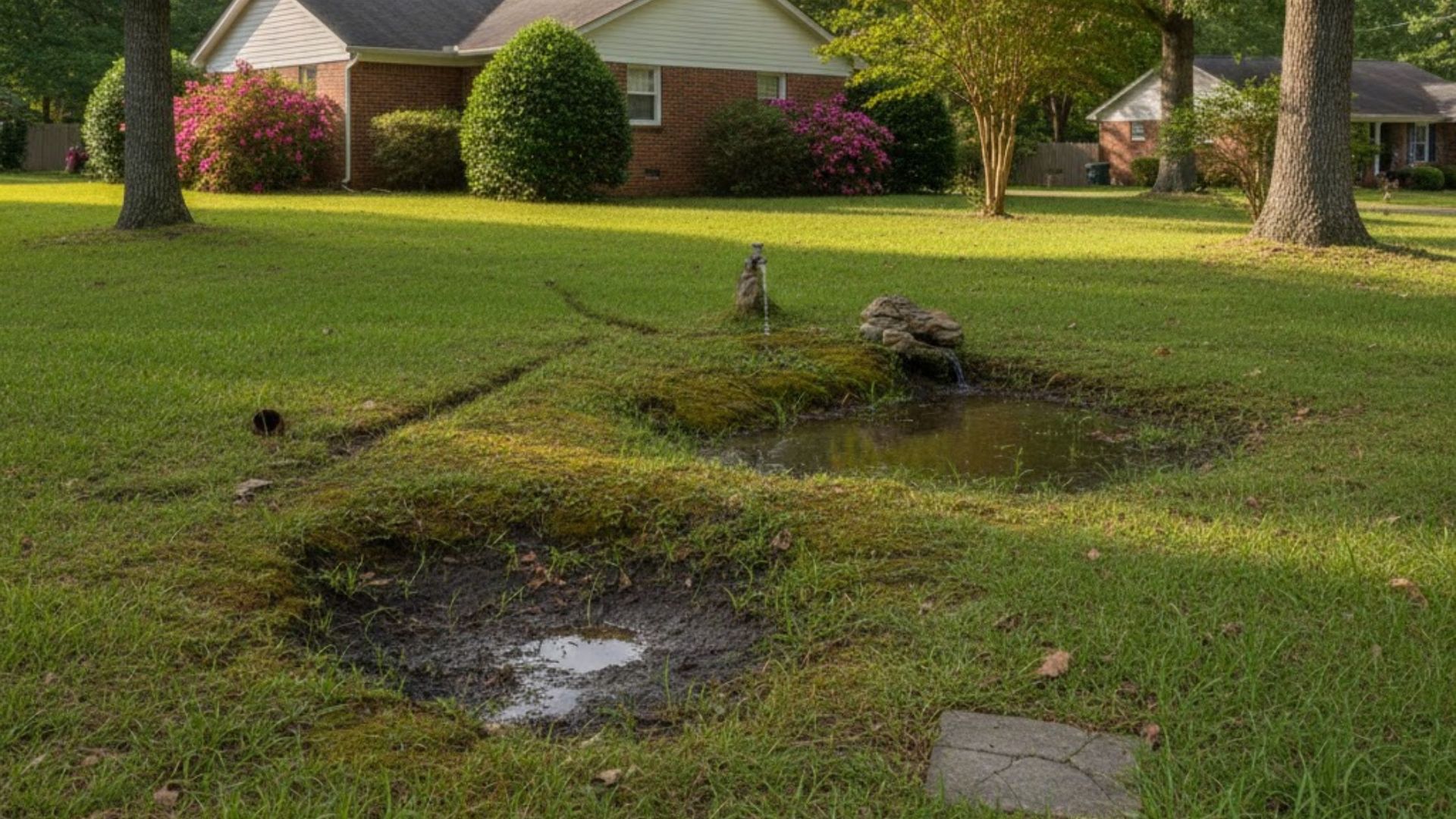
A hidden water leak beneath your property is one of the most destructive and costly issues a homeowner in the Hampton Roads area can face, often starting subtly before erupting into a major problem. From Williamsburg to Virginia Beach, the unique coastal climate and dense clay soils in our region mean that escaping water saturates the ground quickly, leading to rapid erosion and potential structural damage that can undermine everything from your prize-winning flower beds to your home’s foundation. Identifying and addressing these issues requires vigilance and expert help. That is precisely why seeking professional Landscape Handyman Water Services is essential for protecting your home and landscape investment.
If you are seeing signs of unexpected dampness, hearing strange sounds, or watching your water bill climb, it is critical to investigate immediately. Ignoring a small underground breach risks turning a manageable repair into an expensive catastrophe involving major foundation restoration and complete landscape replacement. We will guide you through the definitive signs of a hidden leak, detail the steps you can take today, and explain the professional solutions available to keep your property dry and secure.
What are the earliest warning signs of an underground water leak in my yard?
The earliest and most reliable indicators of a subterranean water issue are often hidden and unrelated to rainfall, making them particularly difficult to spot for the untrained eye. Homeowners must learn to differentiate between natural saturation, such as a high groundwater table or seasonal run-off, and the constant, pressurized flow originating from a damaged supply pipe. The telltale signs involve measurable changes in utility usage, physical alterations to the soil, and unusual plant growth patterns that emerge independent of recent weather.
A consistently high water bill, which shows a significant unexplained increase in consumption, is perhaps the clearest non-physical symptom you have a problem. When a supply line is breached, water continues to flow and register on your meter twenty-four hours a day, generating massive amounts of wasted water that contribute to this expense. Even a small pinhole leak can release hundreds of gallons over the course of a single month, inflating bills dramatically.
The Meter Test: The Definitive DIY Check
Before undertaking any extensive search of your yard, the first critical step is performing a simple water meter test to confirm if water is actively escaping your system. This test isolates your property from the municipal supply line to determine if the leak is occurring on your side of the connection. It is the most direct way to prove that a pipe leak is present, regardless of its size or visibility.
To execute this vital check, ensure that every single water-using fixture and appliance in your home and yard is completely turned off. This includes faucets, washing machines, dishwashers, ice makers, and all irrigation systems. After confirming all sources are off, locate your main water meter, which is usually situated near the street or sidewalk under a small metal or plastic cover.
Once you have located the meter, note the position of the indicator needle or the reading on the display. Many modern water meters have a small leak detector wheel, often a blue or red triangle, that spins even with the slightest flow. If, after waiting 30 minutes to an hour with all water shut off, the main numbers have increased or the leak indicator wheel is still moving, you have confirmed an active water leak on your property.
Visible Landscape Indicators
While the water bill points to if you have a leak, your landscape often shows you where the leak is concentrated, demonstrating clear physical evidence of constant, unnatural irrigation. These physical clues are usually localized and appear without any logical cause related to recent rain or landscaping activities. Learning to read your lawn and garden beds is essential for early leak identification.
One of the most common signs is the presence of perpetually soggy spots, wet patches, or persistent puddles that remain visible even after extended dry periods. If the surrounding areas of your yard are hard and dry, but one specific patch of soil remains soft, spongy, or saturated, it is a strong indication that pressurized water is consistently exiting a buried pipe below that location. These spots can sometimes create minor sinkholes or depressions as the soil is washed away.
Conversely, some areas may exhibit patches of unusually vibrant, lush, or fast-growing grass or vegetation directly above the damaged pipe. The escaping water acts as a continuous, intense source of hydration, causing plants in that immediate area to flourish dramatically compared to the surrounding turf. This "oasis effect" is a significant visual red flag that water is available where it should not be.
Accounting for the Hampton Roads Climate
Homeowners in the Hampton Roads region, including Chesapeake, Norfolk, and Newport News, face unique challenges when diagnosing water issues due to the natural composition of the land. Our area is characterized by low elevation, high water tables, and marine clay soils, which greatly influence how water damage manifests on a property. Understanding this context helps differentiate leaks from natural drainage issues.
The prevalence of dense clay soil, sometimes referred to as marine clay, means that it holds water tightly and drains very slowly. When a water pipe breaks, the escaped water cannot easily dissipate into the lower soil layers, leading to intense saturation right near the surface. This can exacerbate hydrostatic pressure issues against foundations, making leak resolution an extremely time-sensitive task for local property owners.
Furthermore, coastal proximity often means that the groundwater table is naturally high, sometimes creating "perched water tables" where impermeable layers of soil trap water near the surface. While natural saturation might cause widespread sogginess after heavy rains, a leaking pipe will cause a specific, highly localized area to become saturated, independent of recent rainfall cycles. This distinction is critical in determining whether you need drainage correction or pipe repair.
Understanding the Root Causes of Underground Water Line Failure
While the signs of a leak are often visible in the landscape, the causes of underground pipe failure are varied and often relate to aging infrastructure, environmental factors, and poor installation practices. Knowing the primary culprits can help homeowners, especially those with older homes, proactively assess their risk and determine if their system requires preventive maintenance or replacement services.
Most underground supply lines are buried deep enough to avoid surface damage, but they are constantly exposed to the shifting, contracting, and expanding forces of the surrounding earth. The combination of high pressure inside the pipe and relentless external forces eventually leads to material fatigue, joint failure, or a complete line break. Regular inspection and material knowledge are vital parts of long-term property maintenance.
Erosion and Shifting Soil Dynamics
The physical environment around a buried water pipe is never static, especially in a region prone to seasonal temperature fluctuations. When the ground freezes and thaws, or alternates between saturated and dry conditions, the soil contracts and expands, exerting immense stress on rigid utility lines. This movement can cause pipes to shift out of alignment or lead to abrasive wear where the line rests against sharp rocks or other underground debris.
Leaks can also be caused by rapid soil erosion resulting from heavy rain or poor surface drainage. If the supporting soil around a pipe is washed away, the pipe itself may become unsupported and sag, leading to excessive stress on the joints and connections. In the Hampton Roads area, where much of the soil is susceptible to settling, this ground movement is a common contributor to early pipe failure and subsequent leak formation.
Pipe Corrosion and Material Aging
The age and material of your underground water line are perhaps the most significant factors determining its susceptibility to leaks. Older homes in the region may still have galvanized steel or copper pipes that are prone to corrosion, especially when exposed to the high mineral content sometimes found in local water sources. This corrosion weakens the pipe walls until pinholes and fissures begin to develop, often over many years.
Even pipes made from materials like Polybutylene, which was commonly used in the 1980s and 1990s, are known for premature failure due to chemical reactions with chlorine in municipal water supplies. These material failures often result in multiple small leaks that can be difficult to detect initially but cumulatively lead to significant water loss. HR Irrigation specializes in identifying and safely replacing these outdated and high-risk piping systems with modern, durable materials like PEX or HDPE.
Tree Root Intrusion: Nature’s Destruction
Tree roots are a relentless and often unseen threat to underground utility lines, operating on the simple principle of seeking out the closest, most reliable water source. Even the smallest amount of escaping moisture from a pipe joint or a tiny crack releases water vapor into the soil, which acts as a powerful beacon for root systems, drawing them directly toward the water line.
As the roots grow thicker, they wrap around and apply constant pressure to the pipe, eventually crushing or penetrating the material to access the flowing water inside. This process is particularly damaging to older, rigid pipes or those with weak connection points. If you have large, mature trees or aggressive shrubbery planted near your main utility easement, the risk of a root-related leak increases dramatically.
To mitigate this risk, property owners should be aware of the exact location of their main water and sewer lines before planting. When landscaping near utility paths, it is always recommended to choose smaller, less invasive species of plants and trees that have non-aggressive, shallow root systems. Prevention through proper planning is far less costly than emergency repair services required to remove encroaching roots and replace damaged pipe sections.
The Financial and Structural Dangers of Ignoring a Hidden Leak
The financial repercussions and structural risks associated with ignored underground water leaks extend far beyond a single, inflated utility bill. The escaping water works silently and continuously to erode soil, damage foundational integrity, and create an ideal environment for moisture-related problems inside the home. A seemingly minor yard leak can escalate into one of the most substantial and expensive home disasters imaginable.
The continuous saturation of the earth surrounding your home introduces a cascading series of vulnerabilities that affect both the immediate landscape and the underlying structure of the building. Homeowners in coastal regions like Hampton Roads, where humidity and high groundwater are already factors, must be especially attentive to prevent these issues from compounding during wet seasons or heavy storm events.
Skyrocketing Utility Bills and Water Waste
While the physical damage can be alarming, the most immediate and tangible consequence of a leak is the financial waste reflected on your monthly water statements. Water that continuously flows from a damaged pipe is water that has been processed and billed but provides absolutely no benefit to the property or its occupants. This persistent flow represents a direct financial loss that compounds every hour the leak remains unaddressed.
Consider a seemingly insignificant leak—a pinhole opening that loses just one gallon of water every three minutes. Over a single day, this amounts to 480 gallons of waste. Over the course of a month, the total loss exceeds 14,000 gallons. For a homeowner, this translates to hundreds of dollars in lost resources and increased utility expenses, a financial drain that continues until the pipe is located and sealed. Identifying this financial disparity is often the first step in calling for professional help.
Structural Integrity and Hydrostatic Pressure
In the Hampton Roads area, foundation issues stemming from hydrostatic pressure are a pervasive and serious concern, often originating from localized yard saturation caused by leaks. Hydrostatic pressure is the immense, outward force exerted by saturated soil against a submerged or partially submerged surface, such as the walls of a basement or crawl space. Concrete and masonry are not designed to withstand this constant lateral pressure.
When a water line leak keeps the soil immediately adjacent to the foundation saturated, the soil expands and presses relentlessly against the home’s structure. This force can cause foundation walls to crack, bow inward, or even shift, creating pathways for water to seep directly into the basement or crawl space. These foundational movements compromise the entire integrity of the home and necessitate extremely costly structural repairs. Addressing the source of the water—the leaking pipe—is the only way to permanently mitigate this serious risk.
If you suspect this level of damage or need assistance in locating and fixing a severe underground leak, contacting an experienced service provider for guidance is critical. The sooner the leak is found, the less chance there is of permanent structural compromise. To speak with our local specialists today, please press the Contact us link. Our team can deploy specialized equipment to pinpoint the exact source of water intrusion.
Pest Infestation and Mold Development
Beyond the visible damage to the soil and the hidden damage to the foundation, an underground water leak creates a perfect, moist environment that attracts pests and promotes hazardous biological growth inside and outside the home. Moisture-laden soil and damp crawl spaces are breeding grounds for insects, rodents, and mold, creating secondary problems that impact both the structure and the health of the occupants.
Termites and carpenter ants, which cause significant wood damage, are highly attracted to moist, water-damaged wood near the foundation. Similarly, rats and mice often exploit the softened soil and saturated areas around the foundation perimeter as easy entry points into the crawl space, bringing with them a host of sanitation and infestation concerns. Controlling water levels is the first line of defense against these unwelcome invaders.
Furthermore, water seeping into a crawl space or basement due to hydrostatic pressure creates the ideal conditions for mold and mildew to flourish. These fungi can rapidly degrade indoor air quality, trigger allergic reactions, and cause long-term damage to drywall, insulation, and wooden structural elements. Resolving the underground leak is an integral step in any comprehensive mold remediation or interior drying effort.
The Value of Professional Landscape Handyman Water Services
While a meter check is an excellent diagnostic tool, locating the precise point of an underground leak—especially one several feet deep or under hardscaping like driveways or patios—requires professional expertise and non-invasive equipment. Hiring a professional service prevents unnecessary, disruptive, and costly excavation that can ruin large sections of your lawn or expensive landscaping.
A professional specializing in these complex issues possesses the training and specialized tools to identify the exact location of the pipe breach with remarkable accuracy. This precision minimizes the scope of the required digging, saving both time and thousands of dollars in landscape restoration costs. Opting for non-invasive detection is the most cost-effective and least disruptive approach to solving subterranean water problems. The provision of Landscape Handyman Water Services ensures that both the detection and the subsequent repair are handled with minimal impact on your established landscape.
Non-Invasive Acoustic Listening Technology
One of the most effective and widely used professional tools for identifying hidden pressurized leaks is highly sensitive acoustic listening equipment. When water under high pressure escapes a pipe, it creates a distinct sound signature—a hiss, drip, or gurgle—that travels through the pipe material and the surrounding soil. These sounds are usually imperceptible to the human ear above ground.
Acoustic leak detection relies on ground microphones and sensors that are placed strategically along the suspected water line path. These tools amplify the subtle vibrations and sounds created by the escaping water, allowing a trained technician to follow the noise and pinpoint the highest concentration of sound, which corresponds directly to the location of the breach. This method is exceptionally valuable because it works through soil, asphalt, and even concrete slabs.
Tracer Gas Detection for Small Leaks
For extremely small or slow-moving leaks that might not generate enough audible noise for acoustic equipment to detect, or when the pipe is buried particularly deep, technicians often turn to tracer gas detection. This advanced, non-toxic method involves draining the affected section of the pipe and injecting a harmless, inert mixture of gases, often helium or hydrogen, into the system.
Since these gases are significantly lighter than air, they naturally rise and escape through the smallest pipe fissures and cracks. Specialized gas sniffers, which are much more sensitive than standard air quality monitors, are then used across the ground surface to detect the escaping gas. The highest concentration reading on the sniffer pinpoints the exact location of the leak, enabling surgical and targeted excavation only at that specific spot.
High-Definition Camera Inspection
While acoustic and gas methods are ideal for pressurized supply lines, leaks in drainage or sewer pipes require a different non-invasive approach. For these systems, professionals utilize high-definition video camera inspections, threading a small, waterproof camera directly into the pipe through an accessible clean-out port.
The camera, attached to a flexible rod, provides a live visual feed to the technician, allowing them to traverse the length of the drainage line and visually identify common culprits like broken pipe segments, cracked joints, or heavy root intrusion. This method determines the exact nature and severity of the structural damage, which is crucial for planning an appropriate and efficient repair or replacement strategy.
The Importance of Choosing a Local Expert
When dealing with subterranean issues, local knowledge is an irreplaceable asset, particularly in the unique environment of Hampton Roads. A technician familiar with the regional soil composition, typical pipe infrastructure found in older neighborhoods, and specific environmental factors like coastal erosion or high water tables can diagnose problems faster and recommend more effective, long-lasting solutions. Choosing a local specialist means partnering with a team that understands your immediate community.
Selecting a provider with a proven track record is paramount to ensuring the integrity of your repair and the longevity of your water system. Local companies rely heavily on their reputation and the satisfaction of their neighbors, leading to a commitment to quality that transcends a simple transaction. Take the time to evaluate a provider’s history, community feedback, and guarantees before committing to a major service. To see what your neighbors think of our commitment to quality service in leak detection and repair, we invite you to read our reviews.
Routine Inspection of Irrigation and Fixtures
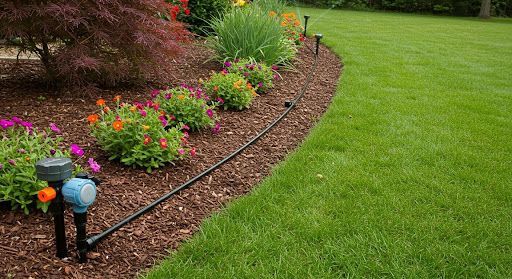
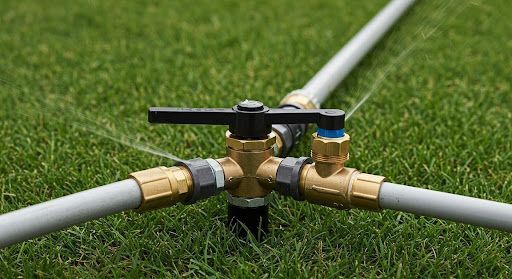
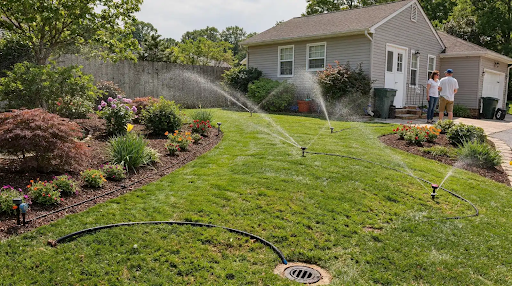
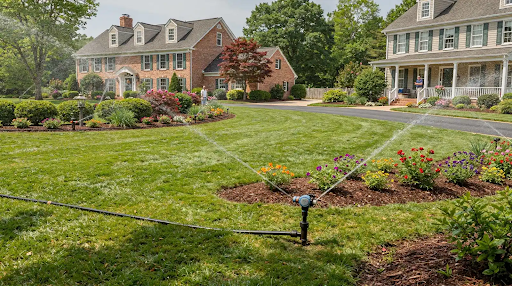
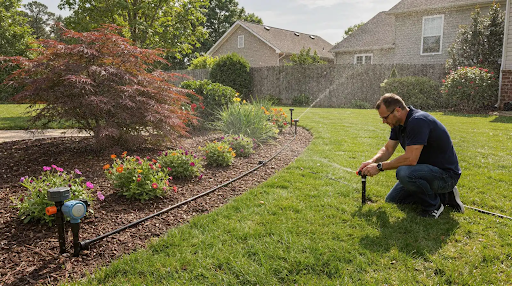
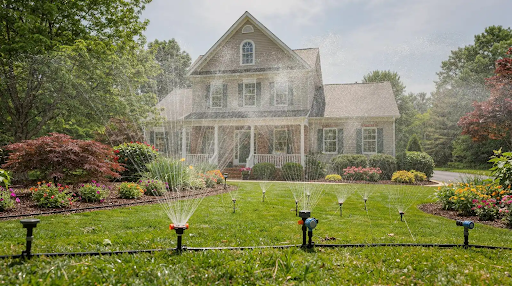
Hidden leaks are not exclusive to the main service line; in fact, irrigation systems are frequent offenders when it comes to yard water loss. Sprinkler systems, which run under pressure, often develop leaks at the connections, cracked sprinkler heads, or damaged lateral lines due to lawn equipment or freeze-thaw cycles. Regularly inspecting these systems is a crucial element of proactive water management.
Walk your property while your irrigation system is running, paying close attention to any zones that show unusually low pressure, excessive misting, or water pooling near the sprinkler heads. These are clear signs of a break in the system that is wasting water and potentially causing localized landscape damage. Simple maintenance, like replacing a faulty valve or a misaligned sprinkler head, can prevent hundreds of gallons of water loss each month.
The Importance of Winterization
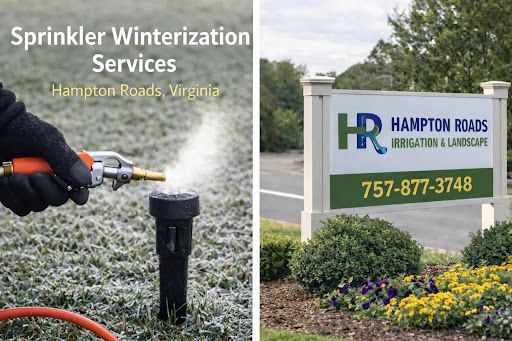
For any property owner with an in-ground irrigation system in the Hampton Roads area, proper winterization, often called "fall shutdown," is non-negotiable for preventing catastrophic pipe damage. Water left inside the pipes during periods of freezing temperatures will expand, potentially cracking the lines and connections. This damage often goes unnoticed until the system is reactivated in the spring, resulting in a sudden, massive underground leak.
A professional winterization service uses a large air compressor to blow all residual water out of the irrigation lines, ensuring the entire system is completely dry before the first freeze. This preventive measure eliminates the potential for ice-related pipe bursts and is significantly less expensive than the emergency repairs and landscape restoration costs associated with a fractured main lateral line. For reliable maintenance services, HR Irrigation offers thorough system winterization and spring start-up services throughout the area.
Proper Grading and Drainage Solutions
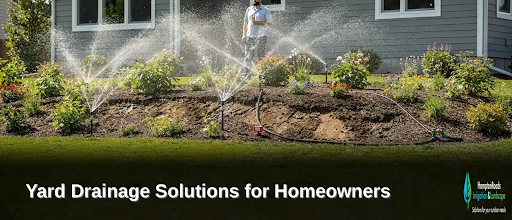
While resolving the leak is the priority, long-term landscape water damage prevention requires addressing the overall management of water on your property. This includes ensuring proper landscape grading and, in some cases, installing engineered drainage solutions. Water should always be directed to flow away from your home's foundation, never toward it.
If your yard slopes toward the structure, rainwater and any escaped water from a leak will naturally collect around the foundation, compounding the risk of hydrostatic pressure and infiltration. Correcting the slope, or "regrading," involves subtly adjusting the land contour so that water drains into designated areas. For areas that collect too much water due to high clay content or natural depressions, solutions like French drains or catch basins can effectively capture and redirect the water safely away from the sensitive areas of the property, providing a comprehensive defense against water damage.
Frequently Asked Questions About Yard Water Leaks
Addressing common concerns helps homeowners take timely action when they suspect an issue.
1. Can a small underground leak cause my entire lawn to die?
A small leak will usually not cause the entire lawn to die, but it will often create distinct patches of either extremely lush, fast-growing grass or, conversely, highly saturated, dead patches of turf. The constant water flow can eventually waterlog the soil, suffocating the grass roots in the immediate area of the leak, turning that specific spot yellow or brown.
2. How long can an underground leak go undetected before it causes serious damage?
A serious underground leak can go undetected for weeks or even months, especially if the water dissipates quickly into the soil or drains away from the surface. The damage it causes, however, is continuous. Within a few weeks, a significant leak can already cause thousands of gallons of waste, lead to substantial erosion, and begin to undermine sidewalks, driveways, or even the home's foundation.
3. Will my homeowner’s insurance cover the cost of pipe leak repair?
Homeowner’s insurance policies vary widely, but most standard policies cover the damage caused by a sudden or accidental leak, such as foundation repair or mold remediation. However, they typically do not cover the cost of repairing the actual failed pipe itself, especially if the failure is attributed to aging, corrosion, or lack of maintenance. Reviewing your specific policy is necessary to understand your coverage limitations.
4. What is the typical cost range for underground water line repair in the Hampton Roads area?
The cost for underground water line repair varies significantly based on accessibility, the pipe material, and the extent of the damage. A simple, easy-to-access repair might cost a few hundred dollars. However, complex repairs requiring specialized non-invasive detection, extensive excavation, or complete line replacement—especially those under driveways or foundations—can easily range from $2,000 to over $5,000 or more, making early detection the greatest cost-saving measure.
5. Is low indoor water pressure always a sign of an underground yard leak?
No, low indoor water pressure is not always a sign of an underground leak, but it is one of the primary indicators. Low pressure can also be caused by internal plumbing issues like mineral buildup inside the pipes, a faulty pressure regulator, or issues with your well pump. However, if the drop in pressure is sudden and affects all fixtures in the home, it strongly suggests a significant volume of water is escaping the main line before it reaches your home, pointing directly to a yard leak.
When water is escaping underground, you are not just paying for wasted resources, but you are effectively paying for ongoing damage to the most valuable parts of your property. Addressing the problem quickly and with the right expertise is the single most important action you can take to protect your home. The next time you see a patch of unnaturally green grass or notice a persistent puddle, trust your instincts and take immediate action.
For homeowners throughout the region, the peace of mind that comes from knowing your underground water lines are secure is invaluable. Our professional approach utilizes state-of-the-art diagnostic tools to locate and assess subterranean issues precisely, ensuring that the necessary repairs are minimally invasive and permanently effective. When you need experienced, local Landscape Handyman Water Services you can rely on, our team is ready to deliver the lasting solutions you need to preserve your landscape and your home's integrity.