Cost Factors for Paver Patio Installation in Yorktown VA: A local, practical guide to pricing and value
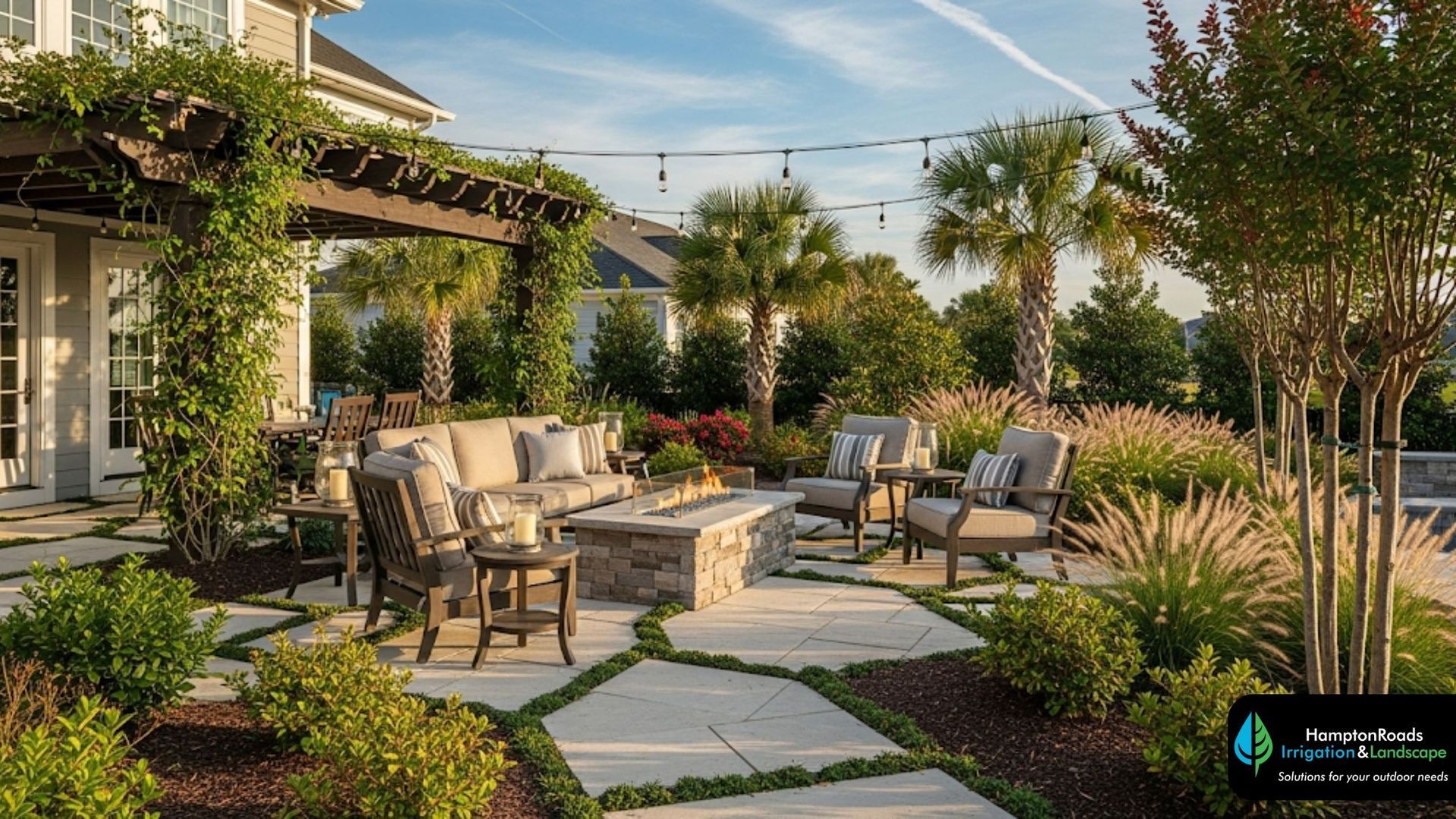
A paver patio is a hardscaped outdoor living surface made from modular pavers. This guide walks you through the cost drivers specific to Yorktown, VA so you can budget with confidence and compare accurate estimates. You’ll find regional per-square-foot ranges, how material choices and site conditions affect price, and which design or feature options give the best value for your budget. We cover average costs across Yorktown and the broader Hampton Roads area, compare materials (concrete, brick, natural stone, permeable), explain the impact of site preparation and drainage, outline labor factors, and list common add-ons that increase the total. Many homeowners underestimate excavation, base preparation, and the value of skilled labor—this guide flags those hidden costs and gives practical budgeting examples. If you want a local contractor perspective while you read,Hampton Roads Irrigation & Landscape offers free estimates and leans on local experience and customer satisfaction for paver patio work in Yorktown and Hampton Roads. With that context, let’s look at average costs, material trade-offs, site considerations, labor impacts, and feature add-ons so you can plan and compare contractor bids effectively.
What Are the Average Costs for Paver Patio Installation in Yorktown and Hampton Roads?
Installing a paver patio combines material costs, base preparation, labor, and any site-specific work. In Yorktown and the surrounding Hampton Roads area, those components typically fall into recognizable low/mid/high ranges per square foot. Prices move based on paver type, base depth, drainage needs, site access, and installer skill—understanding those levers helps you turn a per-square-foot number into a realistic project budget. Coastal soils and occasional high water tables here can drive up base and drainage requirements, which increases both material and labor costs. Below are quick regional per-square-foot ranges and example totals for common project sizes to give you immediate budgeting context and featured-snippet style answers.
The table below summarizes typical total project estimates by patio size and general quality tier. These ranges include materials and installation but exclude specialized structures like outdoor kitchens or retaining walls.
| Patio Size (sq ft) | Typical Cost Range (Low) | Typical Cost Range (Mid) | Typical Cost Range (High) |
| 150 sq ft | $2,250 – $3,000 | $3,750 – $5,250 | $5,250 – $7,500 |
| 300 sq ft | $4,500 – $6,000 | $7,500 – $10,500 | $10,500 – $15,000 |
| 500 sq ft | $7,500 – $10,000 | $12,500 – $17,500 | $17,500 – $25,000 |
This size-versus-cost table shows how fixed expenses (mobilization, permits, equipment) and your chosen material tier affect totals. When comparing bids, ask contractors to break out base depth, aggregate type, edge restraints, and joint system so you can reconcile differences between low and high estimates. Seeing those line items makes it easier to evaluate material choices and lifecycle value.
How Does Cost Per Square Foot Vary by Material Type?
Per-square-foot cost depends on material price, installation complexity, and expected longevity. Concrete pavers are usually the most budget-friendly up front, while natural stone carries a premium for materials and labor but often lasts longer and has a distinctive look. Concrete installations commonly use a sand-set or compacted aggregate base, which keeps labor predictable; natural stone often needs more cutting, careful leveling, and sometimes mortar setting, which raises labor time and cost. For a 300 sq ft patio, mid-range concrete pavers might match the mid-tier totals in the table, whereas natural stone could add roughly 30–60% to combined material and labor costs. Think about lifecycle value: a pricier, more durable material that resists staining and freeze-thaw damage can lower maintenance and replacement costs over the years.
Material choice also affects joint systems and sealing needs—these installation options change both upfront and ongoing costs and should be listed in any estimate. The next section gives size-based examples so you can see how economies of scale and fixed costs shift the math.
What Are Typical Price Ranges for Different Patio Sizes?
Total cost grows with area, but smaller patios usually have a higher per-square-foot price because setup and mobilization are spread over fewer square feet. Larger jobs often enjoy economies of scale for labor and deliveries. For example, a 150 sq ft patio may show a mid-range unit cost near $25–$35 because fixed items like equipment setup and permit fees are concentrated over a small area, while a 500 sq ft project can push the labor component down per square foot. Always request itemized quotes that list mobilization, base material quantities, and disposal so you can compare how fixed costs are being allocated. Small jobs can be pricier per unit, but complex designs—borders, multiple levels, or advanced patterns—can increase cutting and edge work and reverse expected savings.
When reviewing proposals, focus on unit costs for base materials and installed pavers, and look for separate line items for grading, drainage, and retaining work. That clarity lets you compare true value between bids and spot where savings are possible without sacrificing longevity.
How Do Paver Material Choices Affect Installation Costs?
Your material choice sets the raw material cost, required base depth, installation time, and future maintenance needs—each factor feeds into the installed per-square-foot price and lifecycle expenses. Concrete pavers tend to be less expensive and faster to install, brick offers a mid-range look and strong durability, and natural stone brings premium aesthetics with higher installation complexity. Permeable systems add geotextile and deeper aggregate layers, which raise up-front cost but can reduce long-term stormwater management expenses and ease permitting in some locations. Match the material to the use: heavy-traffic entertaining areas often justify stronger materials, while smaller decorative patios can use budget options.
Below is a material comparison table to help weigh installed price versus durability and use case for Yorktown-area conditions
| Material | Installed Cost (per sq ft) | Durability | Typical Use Cases |
|---|---|---|---|
| Concrete pavers | $8 – $18 | Moderate to High | Residential patios, pool decks |
| Brick pavers | $10 – $22 | High | Traditional aesthetics, walkways |
| Natural stone | $18 – $40+ | Very High | Premium patios, focal areas |
| Permeable pavers | $15 – $35 | High (with proper base) | Driveways, runoff-sensitive sites |
This comparison underscores why material choice is often the single biggest lever for adjusting budget and long-term maintenance. Next we’ll compare the specifics of concrete, brick, and natural stone so you can pick the option that matches your performance and design goals.
What Are the Cost Differences Between Concrete, Brick, and Natural Stone Pavers?
Concrete pavers give you predictable installed costs, a wide range of shapes and colors, and consistent dimensions that speed installation and cut down waste. Brick pavers sit in the middle: they age nicely and are very durable, but certain patterns and tighter joints can raise installation time and cost. Natural stone commands a premium because of sourcing, irregular shapes, and extra labor for leveling and cutting; however, it typically needs less frequent replacement and can boost curb appeal and resale value. In Yorktown, choosing brick or stone is often a design decision that carries a notable cost premium but can pay off over time.
When comparing bids, pay particular attention to included base depth and edge restraint details—those differences often explain price gaps more than the paver sticker price. That brings us to permeable systems, which have different cost and environmental trade-offs.
How Do Permeable Pavers Impact Pricing and Environmental Benefits?
Permeable paver installations require a deeper aggregate base, geotextile separation, and specific joint fills—steps that increase materials and labor versus impermeable installs. The premium per square foot varies with base depth and drainage design, but permeable systems can reduce runoff, cut the need for separate stormwater infrastructure, and sometimes satisfy local permitting incentives. In high water-table or poorly drained areas, permeable solutions can be less expensive overall by avoiding complex surface drains or long French drains. The environmental upside—recharging groundwater and reducing runoff—matters in coastal Hampton Roads neighborhoods where stormwater management is a practical concern.
Weigh the initial cost against potential savings on drainage work and permitting. In some sites, permeable pavers are the most cost-effective way to meet regulations and manage runoff over the long term.
In What Ways Do Patio Size and Design Complexity Influence Total Cost?
Patio area, shape complexity, and pattern detail all affect labor hours, cutting waste, and the need for special edge restraints—each of which increases the final invoice beyond raw material costs. Large, simple rectangular patios typically install quickly with predictable cuts and low waste, while curved patios, herringbone or basketweave patterns, and multi-level designs demand extra time and skilled installers. The result: complexity raises cutting rates and time per square foot, pushing labor costs up and adding the need for extra pavers to cover waste. Expect complexity to raise costs roughly 10–30% for highly intricate work.
One cost-saving strategy is to reserve premium patterns for high-visibility zones and use simpler layouts for secondary areas to balance impact and budget.
How Does Increasing Square Footage Affect Overall Pricing?
As square footage grows, unit costs often fall because mobilization and equipment setup are spread over more area and deliveries become more efficient. For example, a job with $1,200 in fixed mobilization and $10 per sq ft for installed materials looks much better at 500 sq ft than at 150 sq ft because the mobilization cost per square foot drops. Very large projects, however, can trigger additional staging, traffic control, or temporary access costs. Tight access—narrow gates, small yards, steep slopes—can negate economies of scale by slowing crews and increasing hand-carry time, which raises labor hours and costs.
When negotiating bids, ask for a per-component breakdown so you can model how phasing, simplified access, or temporary staging might reduce total cost.
What Cost Implications Do Curves, Patterns, and Multi-Level Designs Have?
Custom shapes and multi-level layouts increase material waste from cutting and require extra edge restraints, compacted base at transitions, and sometimes small retaining structures—all of which add time and materials. Curves and diagonal patterns typically raise cutting rates and increase the waste factor. As a rule of thumb, expect complexity to add roughly 10–30% to standard installed costs; multi-level designs with steps or short retaining walls sit at the higher end. The extra cost buys design impact and functionality, but compare it to simpler alternatives that can deliver similar value for less money.
To manage costs, identify the most visible areas for premium treatments and keep less-seen sections simpler.
What Site Preparation and Local Conditions Affect Paver Patio Installation Costs in Yorktown VA?
Site conditions—soil type, grade, removal of existing hardscape, and drainage—determine excavation depth, aggregate volume, and whether geotextile stabilization is necessary. These factors can drive most of the upfront price in Yorktown’s coastal environment. Clay or organic soils often require a thicker aggregate base and sometimes geotextile to prevent settling; sloped yards may need grading or retaining solutions to direct water away from structures. In short: weak soils or poor drainage need engineered bases, which increases material and labor. Expect contractors to evaluate soil, take grade measurements, and recommend a base depth matched to the intended use and loads—this assessment guides realistic cost estimates.
The checklist below summarizes common site-prep assessments contractors perform before finalizing a quote.
- Site access and staging assessment: determines equipment needs and labor logistics.
- Soil evaluation for bearing capacity: indicates required base depth and stabilization.
- Existing surface removal and disposal estimation: includes concrete, asphalt, or turf removal.
- Drainage slope and runoff plan: identifies needs for regrading or drainage features.
Knowing these items helps homeowners understand why they appear as separate costs in bids. Next we’ll dig into excavation, grading, and soil impacts and point out typical cost drivers to watch for.
How Do Excavation, Grading, and Soil Type Influence Pricing?
Excavation depth, soil removal and disposal, and the need to bring in aggregate are major cost drivers when soils are poor or the design calls for a deep structural base. Excavation costs depend on volume, access, and disposal fees; tight access increases labor because crews may need to dig by hand and haul material manually. Expansive clay or organic topsoil usually requires a thicker crushed-stone base and geotextile to stabilize the layer, raising material and compaction costs per cubic yard. Contractors will also include hauling and landfill fees for removed material, which can add up on large digs. A thorough site assessment reduces surprises and helps you compare bids that assume the same base depth and compaction standards.
Understanding how excavation and aggregate quantities are calculated gives you the leverage to question estimates and choose a solution that balances durability and budget. The next section covers common drainage fixes and slope solutions often needed in Yorktown projects.
What Are the Costs of Drainage Solutions and Addressing Sloped Yards?
Drainage fixes—French drains, channel drains, regrading, or pairing permeable pavers with sub-base storage—vary widely in cost but are usually cheaper than repairing a failing patio or foundation damage caused by poor runoff management. French and channel drains add discrete line items and labor; a modest French drain can cost a few hundred to a few thousand dollars depending on length and outlet complexity, while large-scale regrading increases excavation and aggregate needs. Sloped yards may require retaining walls or steps to create level patio areas, and those structures add materials and skilled labor. In areas with high groundwater or poor infiltration, combining permeable pavers with sub-base storage can reduce the need for separate drainage infrastructure and sometimes meets regulatory requirements more easily.
When drainage is needed, coordinate permitting and schedule drainage work with your patio base to avoid redundant excavation and save money.
How Do Labor Rates and Installation Expertise Impact Paver Patio Costs in Hampton Roads?
Labor rates reflect local market conditions, crew experience, and installation complexity. In Hampton Roads, experienced crews cost more up front but usually reduce rework and long-term maintenance costs. Labor is billed per square foot for standard installs or hourly for complex and phased work; cutting rates, pattern complexity, and access issues raise effective labor costs. Skilled installers will specify correct base depth, edge restraints, and compaction standards—investments that prevent settling and reduce lifetime repair needs. Choosing solely on the lowest bid risks future corrective work that can outweigh initial savings.
Use the short checklist below to vet contractors and compare labor value rather than price alone.
- Check portfolio examples of completed paver patios to confirm pattern and edge quality.
- Request a written warranty or satisfaction guarantee and clarify what it covers.
- Ask for an itemized proposal that separates materials, base work, drainage, and labor.
- Confirm whether the crew handles permitting, grading, and any subcontracted trades.
As a local trust signal, Hampton Roads Irrigation & Landscape emphasizescustomer satisfaction and offers free estimates for patio projects in Yorktown and the Hampton Roads peninsula. Their team coordinates grading, drainage, and lighting so a single provider can simplify project responsibilities.
What Are Typical Labor Costs Per Square Foot in Yorktown VA?
Labor costs per square foot depend on installation complexity, pattern choice, and whether the job needs specialized work like permeable bases or extensive cutting. Standard installed labor for paver patios typically falls within a range that reflects lower-end contractors up to highly skilled crews—complexity and access constraints push the price toward the top of that range. Hourly billing is common for custom features, while routine installs are usually quoted per square foot and include base, paver installation, and jointing. When reviewing estimates, make sure the labor portion includes base compaction, edge restraint installation, and final compaction and jointing—leaving these out often indicates lower quality and potential future costs.
Ask for the assumed crew size and estimated duration so you can see how labor hours translate into the per-square-foot figure in your quote.
Why Is Hiring Experienced Contractors Important for Cost Efficiency?
Experienced contractors reduce lifecycle costs by preparing the base correctly, installing proper edge restraints, and using the right joint systems—practices that limit settling, joint erosion, and the need for repairs. Low bids that cut corners on base depth or compaction commonly lead to uneven settling and higher maintenance expenses; an experienced crew anticipates soil challenges and specifies suitable aggregate and geotextile to protect your investment. Vet contractors by reviewing portfolios, checking for written guarantees, and asking for references—these signals show confidence in workmanship and help you weigh long-term value against short-term savings. Hiring a reputable local firm that offersfree estimates and stands behind their work aligns contractor incentives with lasting performance.
What Additional Features and Enhancements Increase Paver Patio Installation Costs?
Add-ons—built-in seating, fire pits, outdoor kitchens, integrated lighting, borders, and special edging—raise both materials and coordination costs because they often involve additional trades, electrical or plumbing work, and sometimes permits. Each feature has a typical cost range and can extend timelines for electrical runs, gas hookups, or structural supports. Plan for both the hardscape budget and separate trade costs. Many full-service outdoor contractors in Hampton Roads offer integrated solutions that coordinate these elements to avoid scheduling conflicts and redundant excavation or restoration work.
The table below outlines common add-ons with typical added cost ranges to help you plan incremental budgets.
| Feature | Typical Added Cost or Range | Notes |
|---|---|---|
| Fire Pit | $1,200 – $6,000 | Depends on fuel type, lining, and stone finish |
| Built-in Seating / Benches | $600 – $3,000 | Includes structural base and facing materials |
| Outdoor Kitchen (basic) | $5,000 – $20,000+ | Varies with appliances, plumbing, and stonework |
| Integrated Lighting | $150 – $500 per fixture | Low-voltage lighting plus wiring and transformer |
| Borders / Edging | $4 – $12 per linear foot | Concrete curb or stone edging impacts finish |
After reviewing these feature costs, consider phasing higher-cost items—install the patio first and add features later—to manage cash flow while keeping coordination efficient.
How Do Built-in Seating, Fire Pits, and Outdoor Kitchens Affect Pricing?
Built-ins and hardscape amenities require coordination between masons, electricians, and plumbers, which increases project management time and can trigger permits for gas or electrical hookups—both of which add time and cost. A seating wall needs extra base work and sometimes retaining capability; fire pits demand heat-resistant materials and potential gas connections; outdoor kitchens often need a solid foundation plus utility hookups. These features add lasting function and outdoor living value, but they typically turn a landscaping job into multi-trade construction with longer timelines and higher costs.
To save money, group trades so trenches and backfills happen once, and ask contractors for staged budgets that separate base patio work from later feature installation.
What Are the Costs of Integrated Outdoor Lighting, Borders, and Edging?
Low-voltage landscape lighting typically is priced per fixture plus wiring and a transformer; total cost varies by fixture style, run length, and whether trenching is required. Borders and edging—concrete curbs, stone edging, or metal restraints—are priced per linear foot and depend on material and installation complexity. Joint systems like polymeric sand and periodic sealing are modest recurring expenses that prevent weed growth and stabilize joints, preserving the patio’s look and performance. Investing in better edging and sealing up front often reduces long-term restoration costs.
Plan for both installed costs and an expected maintenance schedule so your total cost of ownership reflects realistic upkeep needs.
Here are final practical steps to turn these cost factors into a clear plan and an apples-to-apples estimate comparison.
- Request itemized proposals that separate mobilization, base, pavers, drainage, lighting, and feature line items.
- Prioritize contractors who provide written warranties or satisfaction guarantees and who coordinate trades.
- Consider phasing high-cost features to align cash flow with long-term plans.
These steps translate the cost factors above into an actionable plan tailored to Yorktown and Hampton Roads conditions. If you’re ready for a no-cost, detailed project estimate, Hampton Roads Irrigation & Landscape offers free estimates, a customer satisfaction guarantee, and local expertise across patios, grading, drainage, lighting, and outdoor features—making it easier to get one coordinated quote for the whole job.
Frequently Asked Questions
What factors should I consider when choosing a paver material for my patio?
Think about durability, maintenance, appearance, and cost. Concrete pavers are usually more affordable and quicker to install; natural stone brings a premium look but costs more. Also consider Yorktown’s climate—some materials handle coastal conditions better than others. Finally, match material to use: high-traffic entertaining areas benefit from stronger pavers, while decorative corners can use budget-friendly options.
How can I ensure my paver patio lasts longer?
Proper installation is the best longevity strategy. Make sure the base is built to the right depth and compacted, and use the correct joint system. Regular maintenance—cleaning, sealing, and keeping joints clear—prevents weeds and staining. Choosing quality materials and hiring experienced installers up front reduces repair needs and extends the patio’s life.
What are the common mistakes to avoid during paver patio installation?
Common mistakes include poor base preparation, ignoring drainage, and choosing the wrong materials. Not compacting the base properly leads to settling and uneven surfaces; neglecting drainage can cause pooling and damage. Cutting corners on labor often costs more later—hire contractors who follow best practices for base, edge restraints, and compaction.
How do seasonal changes affect paver patio maintenance?
Seasons affect maintenance needs. In winter, melting and freezing can worsen cracks—clear snow promptly and avoid harsh salts. Spring is a good time to clean and reseal to prevent weeds and stains. Summer sun can fade surfaces, so consider UV-resistant sealers. In fall, keep leaves cleared and prep the patio for winter to protect your investment.
Are there any local regulations I should be aware of before installing a paver patio?
Yes. Check Yorktown zoning and permitting rules—some hardscaping work, especially that which changes drainage or adds structural elements like retaining walls, may require permits. HOAs may also have design or material rules. Work with a local contractor familiar with those regulations to avoid delays or fines.
What is the best time of year to install a paver patio?
Spring and fall are ideal—temperatures are moderate and rain is generally less frequent, which helps materials set and crews stay on schedule. Avoid the extremes of winter and mid-summer when weather can slow work or affect material performance. Scheduling outside peak seasons can also improve contractor availability and pricing.
Conclusion
Knowing the cost factors for paver patio installation in Yorktown, VA helps you make choices that match your budget and design goals. By weighing material options, site conditions, and design complexity, you can optimize both up-front cost and long-term value. For personalized guidance and free estimates, reach out to local experts who can simplify planning and coordinate trades. Start your project with a clear plan and turn your outdoor space into the retreat you want.