What does a paver patio cost on average in Yorktown, VA?
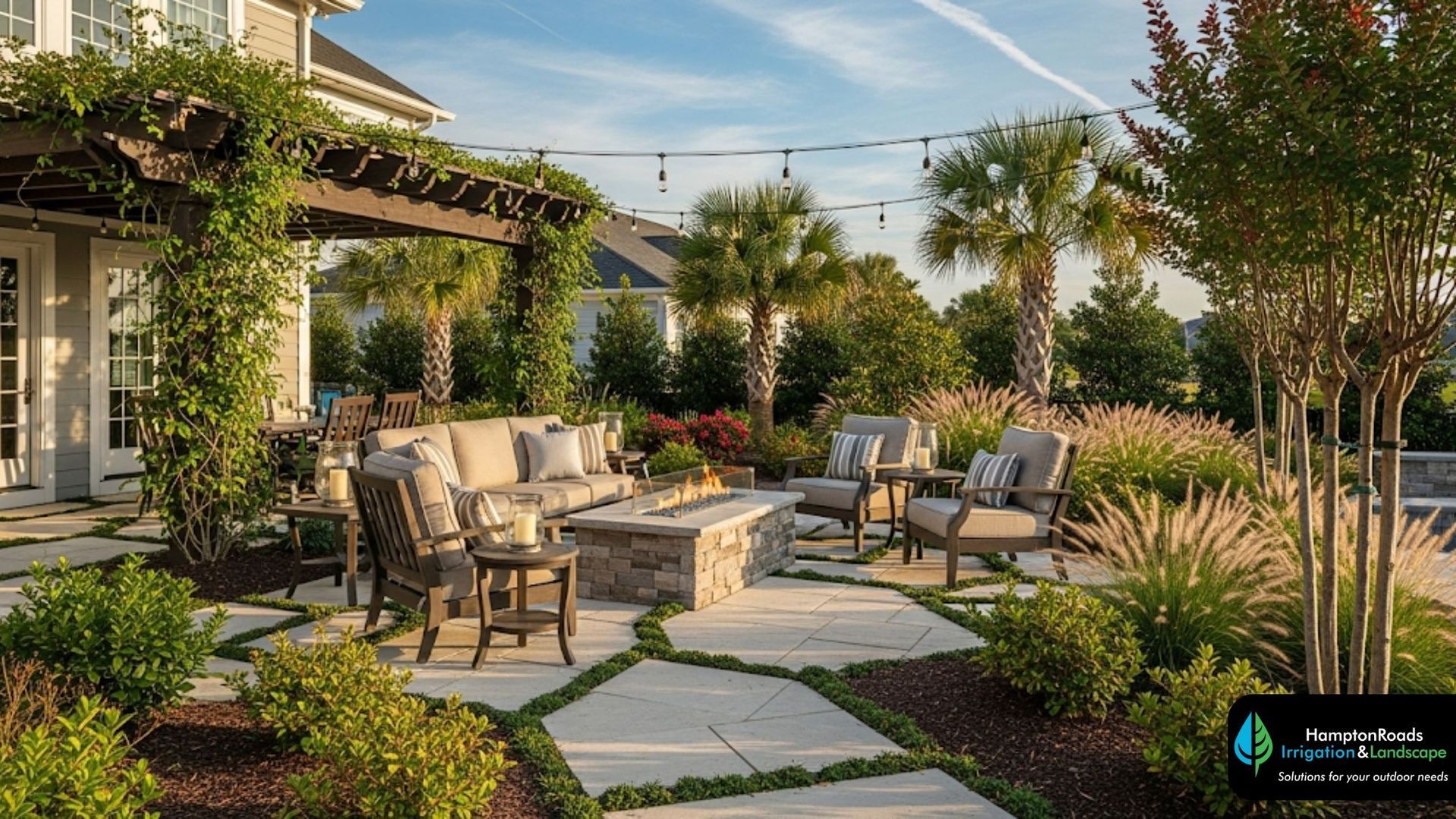
Paver patios in Yorktown, VA, span a wide installed-cost range—from budget-friendly to high-end—depending on material choice, site conditions, and design detail. On a per-square-foot basis, homeowners can expect numbers that reflect common materials, local labor, and site work; this guide breaks those figures into practical budgeting ranges. You’ll find a clear per-square-foot starting point, the factors that cause price variance, and sample totals for typical patio sizes. We also put Yorktown pricing in the context of the broader Hampton Roads market so you can interpret local bids more confidently.
What is the Typical Paver Patio Cost Per Square Foot in Yorktown, VA?
In 2024, installed paver patio pricing in Yorktown generally falls into local per-square-foot bands driven by material quality and site conditions. Those figures reflect the full installed price—materials, base work, labor, and standard edging—so they give you a realistic starting point for planning. The table below translates common per-square-foot ranges into quick-reference categories that people searching for "paver patio cost per square foot Yorktown" find most useful. Keep reading for example totals and a brief comparison to Hampton Roads regional pricing to understand why Yorktown estimates can be a touch higher or lower than nearby towns.
For an accurate on-site price and to see how your soil and property access affect these numbers, request a free estimate from Hampton Roads Irrigation & Landscape. Our local experience helps turn per-square-foot ranges into a site-specific quote for Yorktown. That step matters because numbers often shift once grading, drainage, or custom elements are added. Next, we convert those per-square-foot bands into example project totals for common patio sizes to help with initial budgeting.
What are the Average Price Ranges for Common Patio Sizes in Yorktown?
Use this quick-reference table to translate typical per-square-foot ranges into example totals for common patio sizes. These examples assume normal site access and standard base work; unusual site conditions will raise totals. Treat these sample totals as a planning tool to compare contractor bids and narrow your budget range.
| Patio Size (sq ft) | Installed Cost Range (per sq ft) | Example Total Cost Range |
|---|---|---|
| 100 (small) | $18 – $35 | $1,800 – $3,500 |
| 200 (medium) | $18 – $35 | $3,600 – $7,000 |
| 400 (large) | $15 – $32 | $6,000 – $12,800 |
As these examples show, the same per-square-foot range can produce very different totals as scale increases—so site-specific factors really matter. Below we explain how Yorktown’s local conditions compare to broader Hampton Roads pricing and why regional differences appear.
How Do Yorktown Costs Compare to Broader Hampton Roads Pricing?
Yorktown prices generally sit near Hampton Roads averages but can shift based on local soil, access, and supply logistics. Across the region, similar projects may fall into overlapping per-square-foot bands, but towns with easier access or larger contractor pools sometimes show slightly lower labor premiums. Factors such as local material availability, contractor demand, and hauling from suppliers affect final bids. When a Yorktown quote looks a bit higher, it often reflects added hauling, extra base work for local soils, or limited weekend availability.
Key regional drivers include labor availability, seasonal demand, and supplier proximity—reasons why two nearby towns can have different installed prices for visually identical patios. With that context, the next section covers the main factors that influence total installation cost in Yorktown.
Which Factors Most Influence Paver Patio Installation Costs in Yorktown?
The biggest cost drivers are material type, site preparation, design complexity, labor rates, and any permits or add-on features. These factors interact: material choice affects base depth and edge restraint, while site prep and drainage determine excavation and aggregate needs. The best way to plan your budget is to consider each driver and how they add up across the project. The subsections that follow break down materials and site work so you can prioritize spending and set realistic expectations.
When issues like unstable fill, a high water table, or tight access come up, experienced local contractors recommend the right base depth, drainage approach, and permitting steps to reduce surprises. At Hampton Roads Irrigation & Landscape, we've handled common Yorktown site conditions and can help keep estimates accurate and predictable. Next, let’s look at how material choice affects cost and longevity.
How Do Different Paver Materials Affect Cost and Durability?
Material choice is one of the biggest levers on per-square-foot pricing and long-term performance. Typical options include concrete pavers, brick, natural stone, porcelain, and permeable systems. These materials differ in installed cost, durability, color and texture choices, and maintenance needs—each brings a different installed price and lifecycle expectation.
| Paver Material | Typical Installed Cost per sq ft | Durability / Maintenance Notes |
|---|---|---|
| Concrete Pavers | $15 – $30 | Durable, economical, moderate maintenance for joint sand and sealing |
| Brick Pavers | $18 – $35 | Classic look, good durability; may settle in freeze-thaw without proper base |
| Natural Stone | $25 – $45+ | High-end appearance, variable thickness; requires careful installation |
| Porcelain Pavers | $20 – $40 | Low water absorption, modern look; requires solid base and precise leveling |
| Permeable Pavers | $20 – $40 | Improves drainage compliance; requires engineered base and maintenance plan |
Choosing material means balancing upfront cost with expected lifespan and maintenance. For example, natural stone costs more initially but can hold up beautifully over time. In our coastal Virginia climate, materials that handle freeze-thaw cycles and humidity tend to lower long-term repair costs. Next, we’ll review the site-prep tasks that drive labor and base expenses.
What Site Preparation Requirements Impact the Overall Price?
Site prep—grading, excavation, subbase installation, drainage work, tree/root removal, and edge restraints—can add significantly to installed costs when extensive. Proper base depth and compaction are essential for longevity; deeper bases need more crushed aggregate and compaction time. Poor drainage may require added drains or a permeable system. Tight access or steep slopes increase labor because equipment use is harder and materials may need to be carried by hand. Removing trees or large roots also increases time and disposal costs.
Scenarios that typically raise cost include yards with poor drainage, sites needing retaining work, or lots requiring big grade changes. Each need means more materials, specialized equipment, or longer crew time, which raises the per-square-foot figure. Planning for these contingencies up front reduces the risk of costly change orders later. Next we’ll look at how design choices affect price.
How Does Design Complexity Affect Paver Patio Pricing in Yorktown?
Design complexity—patterns, curves, multiple levels, borders, and integrated features—adds labor, material waste, and installation time, which raise costs. Simple rectangular patios laid in a running-bond pattern are the most economical. Tight curves, herringbone patterns, and custom borders require more cutting and fitting time. Knowing how design elements translate to cost helps you balance aesthetics and budget.
The sections below outline relative impacts of common patterns and list typical add-ons with their cost implications so you can choose which features are worth the investment. After pattern impacts, we cover common add-ons like fire pits and seating walls and why they increase labor and materials.
What Are the Cost Implications of Various Paver Patterns and Features?
Laying patterns change labor time and material waste. A herringbone pattern is more labor-intensive than a running bond and generally needs tighter joint tolerances, increasing install hours. Curves add cutting waste and fitting time, and irregular natural stone demands skilled layout and leveling. Borders, soldier courses, and contrasting bands increase edge work and cuts per square foot, adding material scrap and labor.
Expect patterns and tight geometry to raise installed cost compared with a plain field because they need skilled labor and extra cutting. A simple field pattern with a decorative border can be a cost-effective way to add visual interest without a large price jump. The next section lists common add-on features and their typical impacts.
| Design Feature | Typical Added Cost | Reason / Labor Impact |
|---|---|---|
| Herringbone Pattern | Moderate to High | More cuts and precise alignment increase labor time |
| Curved Edges | Moderate | Cutting and fitting increase material waste and install time |
| Multi-level Steps | High | Requires retaining, precise grading, and additional materials |
| Decorative Borders | Low to Moderate | Extra edge restraints and cutting add labor and waste |
Understanding these multipliers helps you prioritize features that deliver the most visual impact for your budget. Next we cover specific add-ons and why they affect cost.
How Do Additional Features Like Fire Pits and Seating Walls Influence Costs?
Add-ons—fire pits, seating walls, planters, and lighting—add complexity because they require structural work, different materials, and sometimes utility connections. Fire pits can be simple prefabricated units set into pavers or custom masonry gas/wood-burning builds that need gas lines or masonry labor. Seating walls require foundations and block work; integrated planters may need drainage and liners. All of these increase materials and skilled labor time.
Lighting and drainage integration bring electrical and civil components that subcontractors usually handle, which adds coordination and permitting costs when utilities are involved. Budget for these features separately and expect each to raise the project total based on structural complexity and material quality. With design-driven costs covered, we’ll turn to labor rates and regulations that affect final pricing.
What Are the Labor Costs and Local Regulations Affecting Paver Patio Installation?
Labor rates in Yorktown and the Hampton Roads area influence the installed per-square-foot price because skilled crews and specialized equipment are needed for durable installations. Labor reflects local wage norms, crew experience, and equipment needs for excavation and compaction. Local regulations—permits, setbacks, and inspections—can also affect schedule and cost through application fees or required engineered solutions.
The following subsections outline typical labor scenarios and common permit triggers so homeowners can better anticipate labor charges and regulatory steps. Understanding both reduces surprises when comparing contractor bids and sets realistic expectations for timelines and compliance.
What Are Typical Labor Rates and Equipment Accessibility Considerations?
Local labor estimates are usually presented as hourly or per-square-foot ranges that cover excavation, base compaction, paver laying, and finishing. Tight yards or long material carries increase labor hours. Equipment like mini-excavators, plate compactors, and skid steers adds cost when access is limited or rentals are required. Crew productivity drops when sites need multiple material lifts or heavy trimming, so contractors sometimes include access premiums to cover those inefficiencies.
When reviewing bids, ask whether the quote assumes straightforward access and a standard base depth, and request clarity on potential access surcharges—this transparency helps avoid big adjustments during construction. Next we cover permit and code considerations for Yorktown.
What Permits and Building Codes Must Be Followed in Yorktown, VA?
Permits and codes depend on project scope and local jurisdiction. Common triggers include extensive grading, retaining walls over certain heights (often around 4 feet), and permanent features that change lot drainage. Check with the York County building department for exact requirements, because local thresholds and inspections can vary. Many contractors help navigate permits to ensure compliance and avoid costly rework—working with someone who knows local rules simplifies the process.
Typical permit-related triggers include retaining walls, structural foundations for built-in seating, and projects that alter stormwater runoff; confirming requirements early prevents scope changes. With regulatory factors covered, we’ll compare paver patios to concrete to help you weigh value.
How Do Paver Patios Compare to Concrete Patios in Cost and Value?
Paver patios typically cost more to install than basic poured concrete, but they offer easier targeted repairs, greater design flexibility, and stronger long-term curb appeal. Concrete can be cheaper up front for simple slabs, but when settling or cracking occurs, pavers allow spot repairs by replacing individual units rather than replacing an entire slab. That trade-off between initial cost and long-term maintainability is central to deciding which material fits your goals.
The subsections below compare initial and long-term costs and explain how maintenance and durability affect lifetime investment—helping you choose the material that best matches your budget and lifestyle.
What Are the Initial and Long-Term Cost Differences Between Pavers and Concrete?
Basic concrete patios usually have a lower initial installed cost per square foot than higher-end paver installations, especially when concrete is a plain broom finish. Over time, cracked concrete can require partial or full replacement, while pavers let you lift and reset problem areas. Over a 10–20 year horizon, pavers’ repair-friendly nature often narrows the cost gap versus concrete despite higher upfront prices.
Concrete makes sense for very tight budgets or simple slabs, but pavers often deliver better long-term value when you prioritize aesthetics, phased repairs, and design options. Next we’ll look at durability and maintenance and how they affect total investment.
How Do Durability and Maintenance Affect Overall Investment?
Durability depends on installation quality: for both pavers and concrete, proper base depth and compaction are critical. Pavers tolerate differential settlement better because individual units can be adjusted. Paver maintenance typically includes joint-sand refilling, occasional sealing, and weed or moss control; concrete maintenance focuses on crack repair and resealing for decorative finishes. Over time, the ability to repair pavers in place lowers lifecycle replacement costs and avoids full-patio disruption.
Plan maintenance budgets accordingly: periodic sealing and joint upkeep for pavers versus crack monitoring and potential slab repair for concrete. With material comparisons complete, the final section explains the local contractor value proposition for Yorktown homeowners.
Why Choose Hampton Roads Irrigation & Landscape for Your Yorktown Paver Patio?
We connect Yorktown homeowners with professional hardscaping services for patios and outdoor living, emphasizing local knowledge, quality installation, and customer-focused service. We offer free estimates to turn per-square-foot ranges into precise on-site quotes that reflect Yorktown site conditions. Our local expertise—soil behavior, drainage solutions, and permitting in Hampton Roads—helps homeowners get realistic budgets and fewer surprises during construction.
- We provide design consultation and detailed estimates that reflect Yorktown site realities.
- Our team coordinates permitting and recommends drainage and base solutions aligned with local codes.
- Financing options and hands-on project management are available to help manage upfront costs.
These services let us handle everything from material selection to installation oversight, helping homeowners convert budget ranges into reliable project plans. Ready to move forward? Contact Hampton Roads Irrigation & Landscape for a free on-site estimate to get a site-specific price and timeline.
What Local Expertise and Customer Satisfaction Do We Offer?
We lean on local experience and a focus on quality and customer satisfaction, drawing from projects across the area. Our process begins with assessing soil type, water-table concerns, and drainage paths before recommending base depth or permeable options. That local-first approach reduces the risk of post-install settling or drainage problems and keeps estimates grounded in reality.
If you want a single point of responsibility for design, permitting, and installation, our integrated approach simplifies communication and helps keep projects on schedule. Below we summarize services, financing, and homeowner benefits.
How Do Our Design, Installation, and Financing Services Benefit You?
We provide end-to-end services: conceptual design, material selection, engineered base construction, drainage solutions, and final installation—tailored to Yorktown conditions. Financing helps spread upfront costs, and free estimates remove budgeting guesswork. By handling permit coordination and vendor relationships, we reduce the administrative burden and help ensure workmanship standards are met.
Choosing a local contractor that bundles these services can mean clearer timelines, fewer change orders, and a smoother path from plan to finished outdoor space. If you’re planning a paver patio in Yorktown, request a free estimate to turn per-square-foot ranges into an accurate project budget and schedule—phone contact is available for scheduling and questions.
- Contact: Hampton Roads Irrigation & Landscape, 2413 Wolf Trap RD, BLDG I, Yorktown, VA 23692
- Phone: 757.877.3748
- Free Estimate: Schedule an on-site review to get a tailored price and project timeline.
- Local Expertise: Benefit from contractors familiar with Yorktown soils and permitting.
- Project Management: Single point of responsibility from design through installation.
These notes are meant to help you turn the budgeting guidance here into a clear plan with a local contractor who understands both the numbers and the Yorktown construction environment.
Frequently Asked Questions
1. What is the best time of year to install a paver patio in Yorktown, VA?
Spring and fall are the best seasons for installing a paver patio in Yorktown. Temperatures are milder and humidity is lower, which helps with proper installation and material handling. Avoiding peak summer heat and wet periods makes installation smoother and reduces risks with settling or curing.
2. How long does it typically take to install a paver patio?
Installation time depends on patio size, design complexity, and site conditions. A straightforward small to medium patio often takes 1–3 days. Larger or more intricate projects, or those that need significant site prep, will take longer. Ask your contractor for a timeline based on your specific site.
3. Can I install a paver patio myself, or should I hire a professional?
Some homeowners tackle paver patios themselves, but hiring a pro usually produces better, longer-lasting results. Professionals know how to prepare the base, select appropriate materials, and install to withstand local soil and weather. If you lack experience, investing in professional installation can save time and reduce costly mistakes.
4. What maintenance is required for a paver patio?
Routine maintenance keeps a paver patio looking and performing well: sweep debris, refill joint sand as needed, and consider occasional sealing to protect against stains and weathering. Check for shifting or settling and address issues early to prevent bigger repairs. With simple upkeep, paver patios can last many years.
5. Are there any environmental considerations when installing a paver patio?
Yes. Permeable pavers reduce runoff and support groundwater recharge, so they’re worth considering for drainage-sensitive sites. Choosing locally sourced materials cuts transportation emissions. Also assess impacts on existing vegetation and drainage patterns so you don’t disrupt nearby ecosystems—your contractor can help with eco-friendly options.
6. What are the advantages of using pavers over concrete for patios?
Pavers offer greater design flexibility—more patterns, colors, and textures—plus easier repairs: individual units can be replaced without tearing up the whole surface. Pavers also tend to drain better, reducing pooling and erosion. These benefits make pavers a popular choice for homeowners who want both style and practicality.
7. How can I ensure my paver patio is properly installed?
Start by hiring a reputable contractor experienced with local conditions and regulations. Check credentials, read reviews, and ask for references. Make sure the installer prepares the base correctly and follows manufacturer specs for laying and jointing. Keep communication open during the project to address concerns and verify quality work.
Conclusion
Knowing the average cost of a paver patio in Yorktown, VA helps you plan with confidence. By considering materials, site prep, and design complexity, you can set a realistic budget and avoid surprises. For tailored guidance and accurate estimates, reach out to local experts like Hampton Roads Irrigation & Landscape—request a free on-site estimate and take the next step toward your ideal outdoor living space.