Sprinkler System Maintenance vs. Replacement: Expert Guidance to Choose the Right Solution
By Bert Voight, Hampton Roads Irrigation & Landscape
Deciding whether to maintain or replace a sprinkler system hinges on a few clear criteria: current efficiency, cumulative repair costs, and visible deterioration. Homeowners should weigh ongoing operational expenses against the capital cost of a new installation because the choice affects water use, utility bills, and landscape health. This article outlines the key factors, signs that suggest replacement, and cost trade-offs to help you choose the right path.
Key Factors Influencing Maintenance Decisions:
Consider system age, repair frequency, and the availability of parts—older systems often need more attention. Property size and layout affect complexity and service needs. If an older system still provides even coverage and low consumption, targeted maintenance is usually preferable. Repeated failures, persistent leaks, or broad coverage problems should prompt a formal evaluation comparing repair costs to replacement benefits.
Signs Indicating Replacement May Be Necessary:
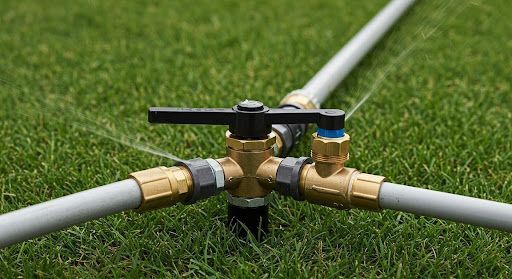
Replacement is often the better option when breakdowns are frequent and costly, watering is consistently inefficient (brown patches, dry spots, or overwatering), or major components are outdated and limit savings. Severe physical damage—extensive cracked piping or irreparably broken heads—also favors replacement as the more reliable, long-term solution.
Cost Implications:
Compare immediate repair bills with the cumulative cost of recurring fixes versus the one-time investment in a new system. Typical service costs are summarised below to inform that comparison.
| Service Type | Cost | Description |
|---|---|---|
| Maintenance Check-Up | $100-$200 | A comprehensive evaluation of the system’s health and function. |
| Minor Repairs | $50-$300 | Basic fixes such as replacing heads or adjusting valves. |
| Full System Replacement |
$3,000-$5,000 | The total cost to remove the old system and install a new one. |
Factor in long-term savings: a properly functioning system reduces water waste and utility costs and supports healthier plantings. Look for local rebates or incentives that can offset upfront replacement costs and shorten the payback period.
When deciding between continued maintenance and full replacement, compare projected repair costs against the efficiency and savings a new system can deliver. Consider system age, observed performance, and the scale of damage to determine the most cost-effective path for preserving landscape quality and lowering future expense.
How to Identify When Your Sprinkler System Needs Repair or Replacement
Early detection protects performance and limits costs. Watch for uneven coverage, dry or saturated patches, visible leaks near valves or heads, non-functioning heads, and unexplained spikes in water bills. These signs warrant inspection to decide whether repair or replacement is appropriate.
What Are the Common Signs of Sprinkler System Troubleshooting Issues?
Look for uneven watering, puddling, visible leaks along lines, and sudden increases in water use—each suggests inefficiency or component failure and should prompt targeted inspection
How Does System Age Influence the Decision to Repair or Replace?
Systems older than about 10–15 years often experience more frequent failures and higher repair costs. Repeated fixes and the lack of modern efficiency features make replacement more economical in many cases.
What Are the Cost Differences Between Sprinkler Repair Services and Full System Replacement?
Minor repairs typically cost tens to a few hundred dollars, while full replacements generally run in the low thousands. Compare the expected lifecycle cost of ongoing repairs with the upfront investment and future savings from a new, efficient system.
Which Factors Affect Long-Term Cost Efficiency: Repair or Replacement?
Long-term efficiency depends on repair frequency, system age, and the performance gains from a new installation. A new system usually offers greater reliability and lower operating costs, but the right choice depends on lifecycle expense comparisons.
What Maintenance Practices Extend Sprinkler System Life and Delay Replacement?
Routine inspections, seasonal adjustments, winterisation in cold climates, and timely part replacement prevent cascading failures and reduce emergency repairs, postponing the need for full replacement.
Which Sprinkler Maintenance Tips Are Essential for Reliable Performance?
These simple checks preserve operation and extend service life:
- Inspect Sprinkler Heads: Regularly check for clogs or damage to ensure proper coverage.
- Check for Wet Patches: Identifying areas that remain consistently soggy can indicate leaks.
- Monitor Water Pressure: Ensuring optimal water pressure helps the system function correctly.
Applying these checks consistently prevents small issues from becoming system-wide problems.
How Do Preventive Maintenance Plans Reduce Repair Needs?
Scheduled checks, planned part replacements, and routine leak detection catch faults early, reducing emergency repairs and water loss while controlling costs and maintaining steady performance.
When Should You Opt for a Sprinkler System Upgrade Instead of Repair?
Opt for an upgrade when failures are frequent, efficiency features are absent, or the system cannot meet local conservation requirements. In those cases, replacement often yields better long-term performance and compliance.
What Are the Benefits of Investing in an Irrigation System Replacement?
A new system typically improves water efficiency, lowers utility costs, and provides finer control and scheduling—translating into long-term savings and healthier landscapes.
How Do Local Climate and Soil Conditions Influence Replacement Decisions?
Climate and soil dictate design and technology choices: drought-prone areas need efficient distribution and smart controls, while soil type affects infiltration, run times, and delivery methods. Account for these variables to ensure a replacement performs well for your site.
Frequently Asked Questions
What Common Mistakes Should Homeowners Avoid When Maintaining Sprinkler Systems?
Common errors include skipping seasonal adjustments, failing to clean heads, ignoring pressure problems, and postponing small repairs until they become major issues.
How Can Smart Technology Enhance My Sprinkler System's Efficiency?
Smart controllers and sensors adjust schedules for weather and soil moisture, reduce unnecessary run time, and allow remote overrides—cutting water use and bills while improving plant health.
What Are the Environmental Benefits of Upgrading My Sprinkler System?
Upgrades typically yield measurable gains: more precise water application, less runoff, reduced consumption, and better protection for soil and plant roots—important in drought-prone areas.
How Do I Optimize My Sprinkler System for Different Plant Types?
Group plants by water needs, adjust head angles and runtimes for root depth, and use drip lines where targeted watering is preferable to reduce waste and improve plant health.
What Should I Know About Local Regulations Regarding Water Usage?
Local rules may set irrigation schedules, restrict run times, or impose drought measures. Check municipal or regional requirements to stay compliant and choose systems that meet evolving standards.
Can I Perform DIY Maintenance on My Sprinkler System?
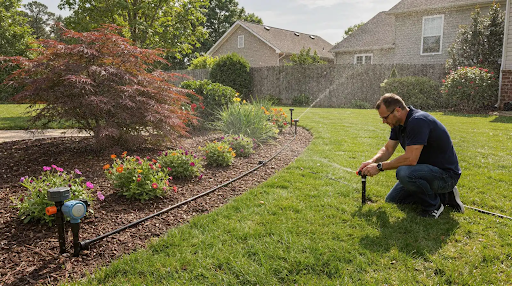
Homeowners can handle routine tasks—cleaning heads, clearing clogs, checking for visible leaks, and adjusting timers. For buried pipe repairs or smart-controller integration, use a trained technician.
Conclusion
Write for me
Based on entire block
Quota 0/99999
Balancing maintenance and replacement protects landscape health and budgets over the long term. Regular assessments of performance, age, and local conditions help you choose the most effective, economical option. Evaluate your system carefully to secure reliable irrigation, conserve water, and reduce costs going forward.