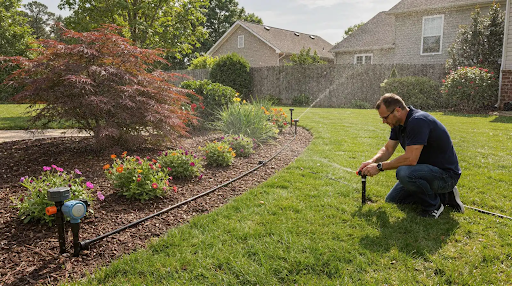
Yard Drainage Solutions for Homeowners
When it comes to Yard Drainage Solutions for Homeowners, french drains, channel drains, dry wells, and catch basins each solve different pooling issues, often combined for full coverage. With over 20 years serving Hampton Roads, our team designs the right drainage and grading solution for your yard's specific soil and slope.
Yard drainage options include French drains, channel drains, dry wells, and surface yard drains, each suited to different problems like soggy spots, erosion, or standing water near foundations. Hampton Roads Irrigation & Landscape, serving the region for over 20 years, designs custom drainage systems by assessing site topography, soil type, and rainfall patterns before recommending the right combination.
Key Takeaways
- French drains, channel drains, catch basins, and surface grading solve four distinct yard drainage problems effectively.
- Standing water breeds mosquitoes, yellows grass, and threatens foundations within days of heavy rainfall.
- Hampton Roads Irrigation & Landscape combines drainage solutions with grading and sod services for complete yard restoration.
- Over 20 years serving Hampton Roads, our team diagnoses drainage issues and implements lasting fixes.
What Signs Reveal a Yard Drainage Problem?
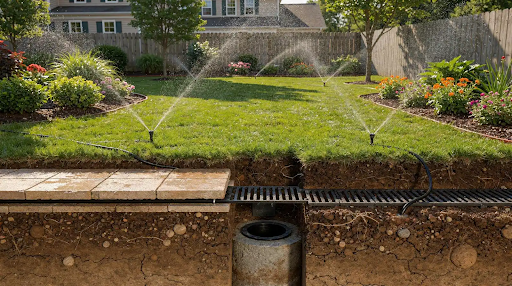
Four systems handle most residential water problems: channel drains, French drains, dry wells, and yard drains. Each addresses a different failure point, and choosing the wrong one wastes money without solving the soggy spot. Homeowners and property managers exploring yard drainage solutions for homeowners benefit from understanding what separates these options before committing to an installation.
Drainage Type
Best Suited For
Channel drains
Paved surfaces, driveways, patios
French drains
Underground water flow, foundation protection
Dry wells
Absorbing large volumes of runoff
Yard drains
Collecting surface water at low points
None of these solutions work in total isolation. Properties with complex grading or heavy clay soil often need two or three types layered together to form one complete drainage system.
Can one drainage type solve every yard problem?
Rarely. Each system carries its own strengths. A French drain that redirects underground flow won't necessarily stop a low spot from pooling after a storm. Matching the right combination to the property's slope and soil produces lasting results.
Designing that combination starts long before installation. A qualified assessment evaluates site topography, soil composition, rainfall patterns, and existing structures like patios or foundations. That groundwork determines which drains belong where. Once water flow gets corrected, grading and sod services restore the disturbed lawn and protect the finished landscape.
How Should You Choose A Drainage Professional?
Credentials and processes separate a reliable drainage contractor from a crew with a shovel and a truck. Property managers and homeowners facing chronic puddles or eroding beds need more than a quick fix. They need a partner who understands soil, slope, and structure together. Yard drainage solutions for homeowners work best when a qualified engineer gets involved early. That collaboration produces a thorough site assessment that catches hidden problems before digging starts. Skipping that step often means costly surprises once trenches are already open.
A professional design approach also protects more than the lawn. Foundations, patios, and mature landscaping all sit downstream of water that has nowhere else to go. Hiring correctly the first time safeguards those investments for years, not just through the next storm season.
What does a proper drainage design process look like?
Reputable custom systems move through clear stages, starting with data collection and ending with installation. A detailed site survey records slope, vegetation, and utility lines first. From there, findings shape a design tailored to the specific property rather than a one-size-fits-all pipe layout.
Why does experience in the local community matter?
A contractor rooted in the area for decades brings tested judgment, not guesswork. Hampton Roads Irrigation & Landscape has served the Hampton Roads community for over 20 years as an industry leader, backing every project with a promise that homeowners will love the finished work.
FAQ
What are the main types of yard drainage systems?
Four common systems address residential water issues: channel drains, French drains, dry wells, and yard drains. Each targets a different problem, such as paved surfaces, underground flow, runoff absorption, or surface water at low points.
How long should it take for puddles to drain from a yard?
Puddles lasting longer indicate compacted soil, poor grading, or a failing drainage system.
Does one drainage system solve every yard water problem?
Rarely, since each system has different strengths for different issues. Properties with complex grading or heavy clay soil often need two or three drainage types combined for complete coverage.
Conclusion
In closing, selecting the right drainage solution depends on your property's unique soil conditions, water flow patterns, and long-term landscape goals. Whether you choose surface drainage, subsurface systems, or a hybrid approach, professional assessment ensures your investment protects your home and enhances your outdoor space. Hampton Roads Irrigation & Landscape brings over two decades of local expertise to every drainage project, delivering customized solutions tailored to the Peninsula's specific environmental challenges and your property's needs.